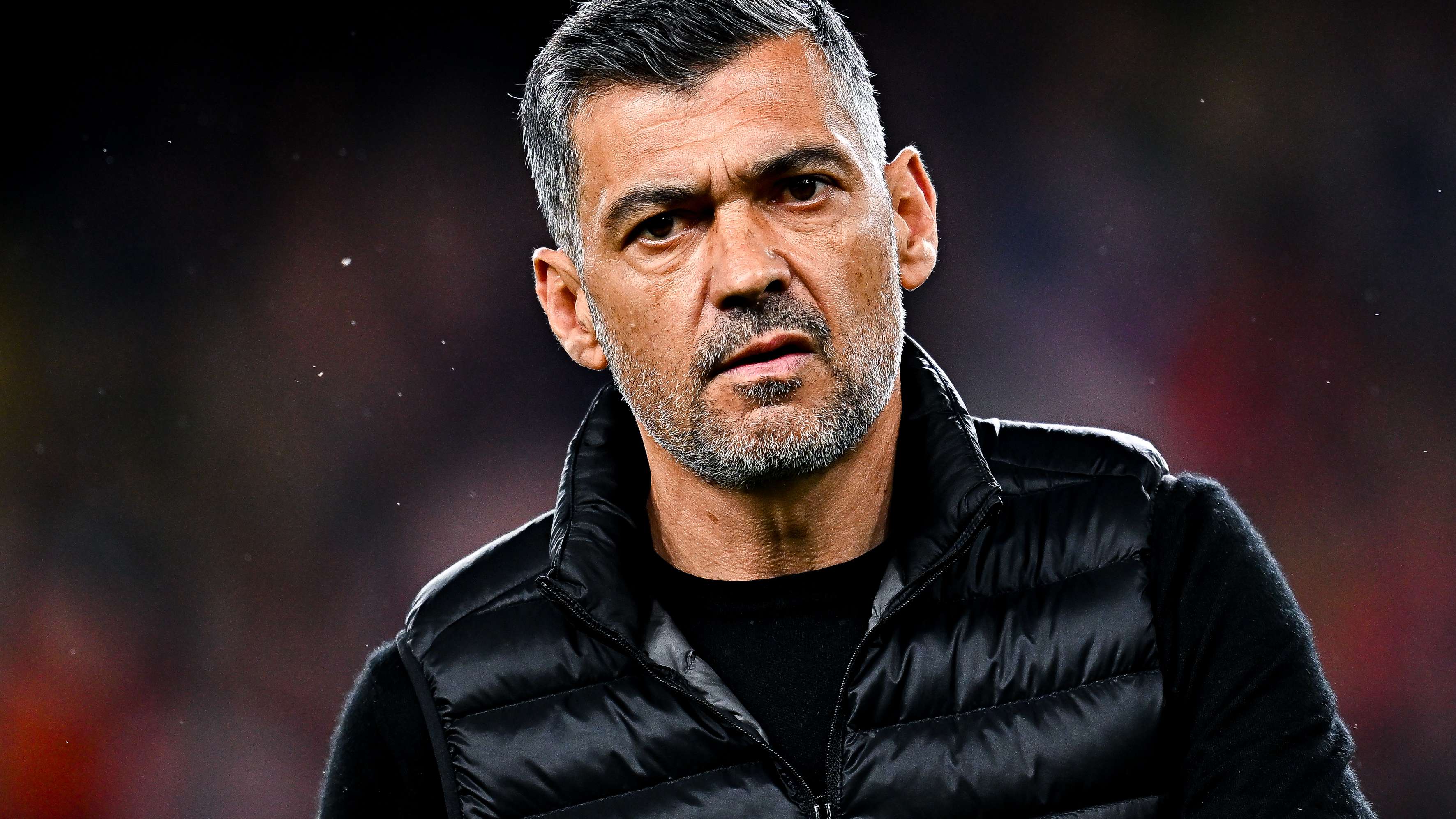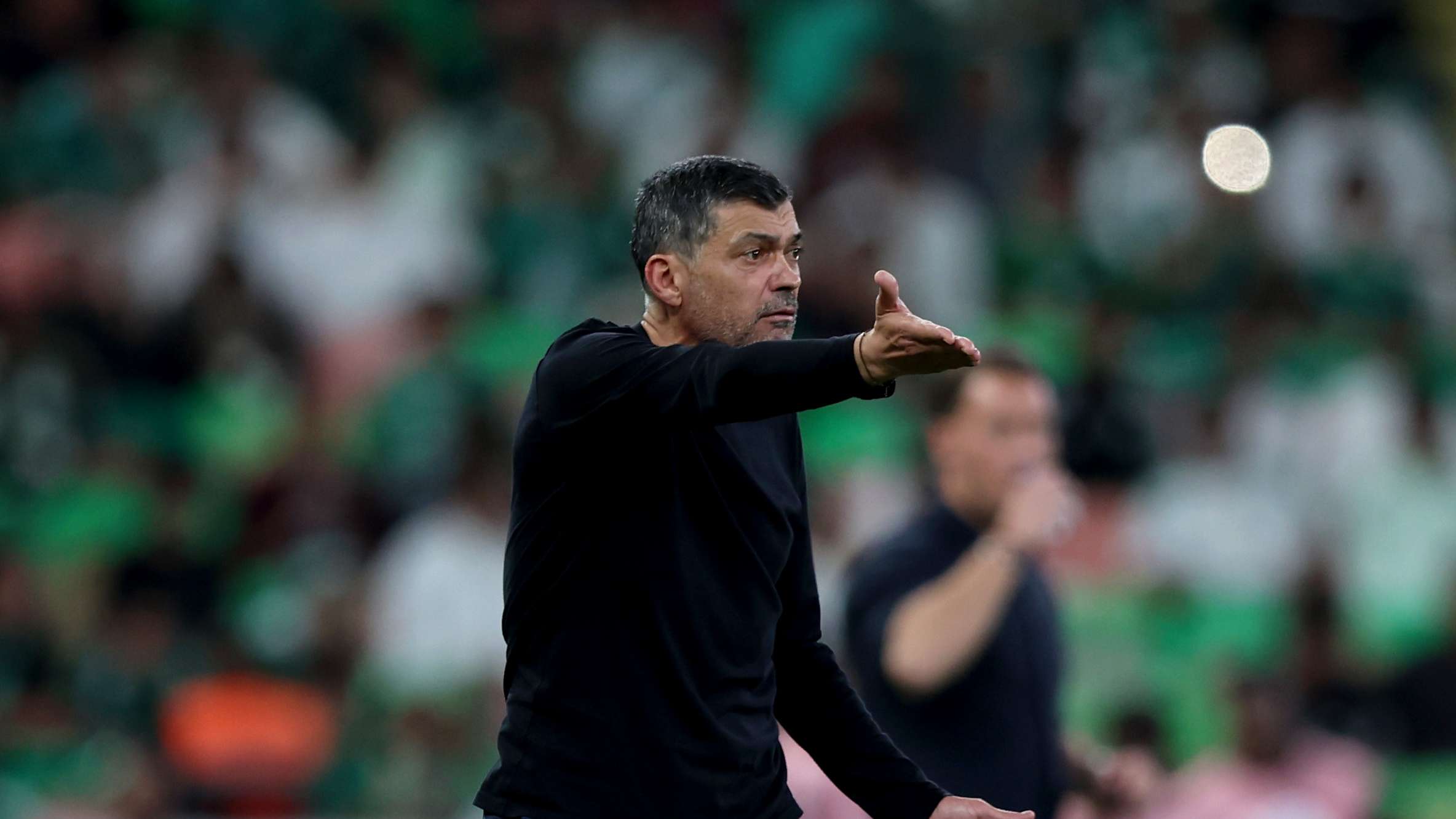

Al-Ittihad Weighs Possible Legal Response After Sergio Conceição’s Saudi Football Comments
A growing dispute over Sergio Conceição’s remarks about his time at Al-Ittihad has put the former manager at the centre of a heated debate in Saudi football. Comments he made about workplace culture, discipline and the differences he observed between Saudi and European football have drawn strong criticism, while reports suggest the club may be considering whether his statements breach any contractual obligations.
For now, however, there has been no official confirmation that Al-Ittihad has begun legal proceedings. The possibility of action was raised by Saudi media figure Abdullah Falata, who said video clips of Conceição’s comments had reached the club’s legal department. The distinction matters: a reported review is not the same as a formal lawsuit, and the club has yet to announce a decision.
How the controversy began
Conceição’s comments came during an appearance on an Italian podcast, where he discussed his experience managing Al-Ittihad, known to supporters as “the Dean.” He described differences in working practices and discipline between the Saudi and European football environments, including his impressions of players’ approach to training and professional responsibilities.
One part of the discussion proved especially contentious. Conceição referred to instances of players missing training and mentioned explanations connected to family or religious circumstances. Critics argued that the remarks risked turning individual situations into a broad judgment about Saudi players as a group. In a football culture where respect for local players and national identity carries considerable weight, that interpretation quickly fuelled anger.
The controversy also reflects the pressure surrounding Saudi Pro League clubs as they attract international coaches and players. High-profile appointments bring greater global attention, but they also place expectations on visiting managers to understand local customs, communicate carefully and distinguish between criticism of a working process and criticism of an entire group of people.
Reports of a possible legal review
Speaking on the “Al-Mansa” programme on the Thmanyah channel network, Falata said a dispute existed between Conceição and Al-Ittihad’s management. He added that recordings of the coach’s comments had been passed to the club’s legal department, which could examine whether the remarks have implications under his agreement with the club.
According to Falata, the issue may be considered in light of contractual provisions concerning public statements that could harm the club or the Saudi league. Such clauses are common in professional sport, where clubs seek to protect their reputation and manage communications involving current or former employees. Whether any particular clause applies would depend on the wording of the contract and the circumstances surrounding the comments.
Until Al-Ittihad makes a public statement, the legal angle remains a possibility reported by a media figure rather than a confirmed club action. That uncertainty is important for supporters following the story: there has been no official announcement of a lawsuit, disciplinary claim or other formal proceeding connected to Conceição’s latest remarks.
Conceição rejects claims that he insulted Saudi players
Conceição responded to the backlash through his social media accounts, saying he had not intended to belittle Saudi players or show disrespect to the Kingdom. He also rejected the claim that he had described local players as “poor,” arguing that his comments were meant to explain differences he had noticed between football operations in Saudi Arabia and Europe.
The Portuguese coach said he respected Saudi Arabia and appreciated the welcome he and his family received. He described his time at Al-Ittihad as a challenging experience, pointing to a different football environment and different ways of handling the demands of the job. His clarification sought to separate his observations about professional routines from any judgment of players’ ability or character.
That response has not ended the criticism. In public disputes involving sport, a clarification can explain what a speaker intended, but it does not necessarily change how listeners understood the original words. The debate now turns on both the language used in the podcast and the broader context in which it was delivered.
Why the dispute matters for Saudi football
The episode highlights a wider challenge for international coaches working in the Saudi Pro League. As the competition grows in visibility and attracts prominent figures from European football, differences in training schedules, communication styles and workplace expectations are increasingly discussed in public. Those conversations can be useful when handled with specificity, but sweeping statements may deepen mistrust rather than encourage an exchange of ideas.
For clubs, the situation is also a reminder that reputational issues can quickly become part of the football conversation. A coach’s comments may affect relationships with players, supporters and executives, even after the working relationship has ended. At the same time, any legal response would need to be assessed on its merits rather than assumed from the intensity of the reaction online or in the media.
Supporters will be watching for an official statement from Al-Ittihad and for any further response from Conceição. The next development could clarify whether the club is simply reviewing the matter or considering formal action. Until then, claims about a legal case should be treated cautiously.
What happens next?
There is no confirmed timetable for a decision, and the club has not publicly outlined its position. The immediate outcome may depend on whether Al-Ittihad believes the comments conflict with contractual terms or have caused demonstrable harm. Conceição, meanwhile, has made clear that he denies intending to insult Saudi players or the country.
For now, the story remains a dispute shaped by competing interpretations: one side sees the remarks as an unfair generalisation, while the coach says he was describing differences in football culture. Any prediction about a legal outcome would be premature without an official filing or a detailed statement from the club. What is clear is that the controversy has become more than a discussion about one manager’s experience—it has opened a broader conversation about respect, accountability and the changing landscape of Saudi football.