
FC Utrecht Turn to Military Endurance Test to Rebuild Confidence
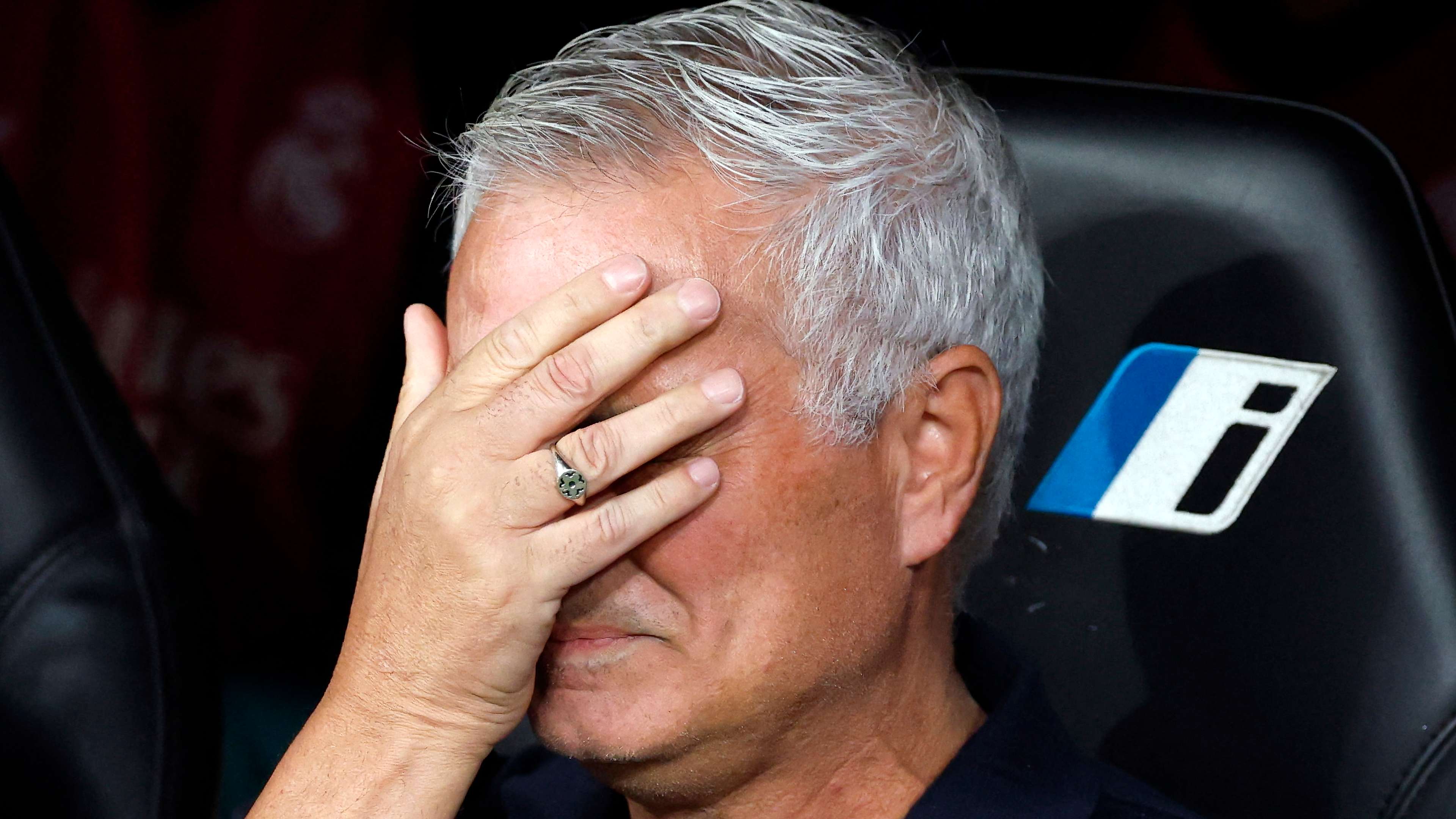
FC Utrecht manager Anthony Correia used the international break to address more than his team’s fitness. After a difficult opening to the Eredivisie season, the coach arranged an intense military-style endurance exercise designed to strengthen the squad’s mental resilience, sharpen its response to pressure and bring players closer together.
The demanding session included Correia and members of his coaching staff, ensuring that the challenge was shared across the club rather than left to the players alone. Speaking to De Telegraaf, Correia described the experience as exceptionally tough, saying the physical strain gradually became a test of concentration and determination.
“At a certain point, you simply get tired,” he explained. “Then it becomes so physically demanding that you start to be tested mentally. It was really intense.” Correia admitted that, had he known exactly what the exercise involved beforehand, he might have preferred to leave it to the squad. But he took part alongside them—and found himself having to fight to keep pace.
A Shared Challenge Built Around Teamwork
The exercise was structured to make cooperation essential. As fatigue set in, conversation faded and the group’s focus narrowed to completing the tasks in front of them. Correia said the participants eventually stopped talking because they were concentrating on getting through the ordeal together.
That collective element was central to the exercise. If one person fell behind, the group faced another assignment, creating a direct link between individual effort and the team’s progress. In practical terms, the players had to support one another, maintain a shared pace and stay committed even as their energy declined.
For a football team trying to recover from a poor start, those lessons may have particular relevance. Matches can turn on how players respond when a plan breaks down, when an opponent applies pressure or when a teammate makes a mistake. Utrecht’s challenge is to carry the same sense of responsibility and persistence from the training ground into competitive football.
Correia Joins His Players in the Test
Correia was not simply watching from the sidelines. He said members of the group began pushing him to keep up, particularly as the exercise continued. A participant at the front set the pace, while those at the back had to work hard to avoid falling behind. The coach recalled being physically pushed along at one stage to remain with the group.
His involvement may also have helped reinforce the exercise’s message. By sharing the discomfort and effort, the coaching staff experienced the same pressure as the players. That can create a stronger sense of unity than a conventional team-building activity, while giving coaches a closer view of how individuals respond when tiredness and stress begin to take over.
Why Utrecht Chose Mental Pressure Over a Lighter Activity
Team-building sessions often involve recreational options such as padel or paintball, which can encourage players to relax and interact away from the pitch. Correia acknowledged that those activities can be enjoyable and help teammates grow closer. However, he felt a military endurance test offered something more closely connected to the demands of a match.
The aim, he said, was to work on performing under pressure, strengthening relationships, building mental resilience and developing a stronger collective spirit. In his view, the group addressed each of those objectives during the exercise. The key question now is whether the experience can translate into better decision-making, greater composure and more consistent effort when Utrecht return to league action.
There is no guarantee that one demanding session will transform a team’s results. Mental toughness is built over time, and it must be supported by clear tactics, effective communication and confidence earned through performances. Still, the exercise gave Utrecht an opportunity to confront discomfort together during a break in the schedule, rather than trying to repair every problem while preparing for a match.
International Break Offers a Chance to Reset
International breaks can be frustrating for managers who want to maintain momentum, but they can also provide valuable time to assess a slow start and reconnect a squad. For Correia, the pause arrived as Utrecht were looking for ways to respond to their early-season struggles in the Eredivisie.
Alongside the endurance challenge, the coach has overseen intensive training as he works to improve the team’s condition and confidence. The combination suggests Utrecht are treating the break as a reset: an opportunity to reinforce standards, address weaknesses and bring the group together before the next stretch of fixtures.
For supporters searching for an FC Utrecht prediction ahead of the club’s return, the team’s response will matter more than the exercise itself. A stronger collective attitude could help, but Utrecht will need to show it through sharper performances and points on the board. Their upcoming home fixture against Willem II, who are at the bottom of the table, offers an immediate test of whether the work has made a difference.
Willem II Match Provides an Early Measure
Utrecht’s next league match is scheduled for Sunday, October 11, against Willem II. Facing the side at the foot of the standings may appear to offer a favourable opportunity, but it also brings pressure: Utrecht will be expected to turn preparation into a result. A difficult start can make even a seemingly manageable fixture challenging, particularly if confidence remains fragile.
Correia believes the mental demands of the military exercise could prove useful on the pitch. The players had to keep going when tired, rely on one another and avoid allowing a setback to derail the group. Those qualities are relevant in football, where matches often require teams to respond after conceding, withstand periods of pressure or keep working when their preferred approach is not producing chances.
Utrecht’s challenge is now to make that connection visible. If the squad can demonstrate greater togetherness and resilience against Willem II, the exercise may be remembered as a useful turning point in a difficult campaign. If not, Correia and his players will have to keep searching for answers. Either way, the international break has given the club a demanding opportunity to reset—and the coming match will provide the first clear indication of whether it has helped.