
India Name Test Squad for New Zealand Tour as Bumrah, Kamboj and Akash Deep Return
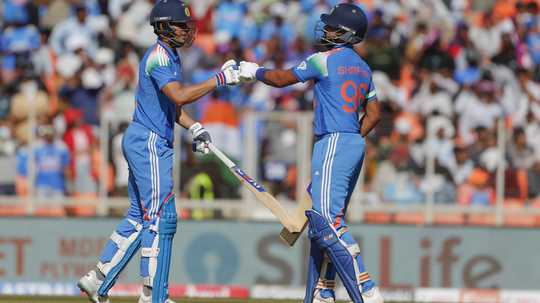
India have announced a 16-player squad for their two-Test tour of New Zealand, with captain Shubman Gill set to lead a group featuring several notable returns and selection calls. Jasprit Bumrah is back in the Test setup after missing the format so far this year, while seamers Anshul Kamboj and Akash Deep have also been recalled. All-rounder Nitish Kumar Reddy returns, and Rishabh Pant has been selected subject to fitness clearance.
The series opens in Wellington on 19 November, just three days after the fifth and final ODI between the teams in Mount Maunganui. That compact schedule presents a demanding transition between formats, and India have named a separate squad for the final two one-day internationals. Nitish Reddy, Mohammed Siraj and Kuldeep Yadav are the only players from the Test group also included in that ODI squad.
Bumrah’s return strengthens India’s pace options
Bumrah is the headline inclusion. The fast bowler has not played a Test this year and last appeared in the format during South Africa’s tour in late 2025. His availability will be significant in New Zealand, where conditions can offer movement and seam assistance, particularly early in a match. India’s planning will nevertheless need to account for his workload, given the demands of a two-Test series and the limited recovery time around the tour schedule.
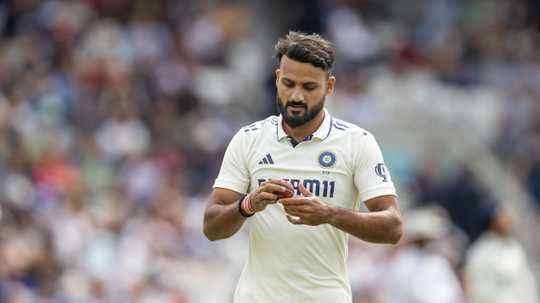
India have also brought back Anshul Kamboj, who played one Test on the 2025 England tour before leaving the squad. His recall gives the selectors another seam-bowling option, while Prasidh Krishna and Siraj retain their places. Akash Deep has earned a return after appearing in the Irani Cup. A lower-back injury had kept him out of competitive cricket for nearly eight months, and his last Test outing also came on the England tour in 2025.
The pace group combines established international experience with bowlers seeking to make a stronger case at Test level. For Kamboj and Akash Deep, the New Zealand trip offers a chance to turn selection into a sustained role. Their ability to bowl disciplined spells and support the senior quicks could be especially important if the pitches provide assistance to seamers.
Gill leads a batting group with competition for places
Gill will captain the side, with KL Rahul named vice-captain. Rahul is expected to partner Yashasvi Jaiswal at the top of the order, giving India an experienced opener alongside one of their most attacking batters. The combination will be tested by New Zealand’s conditions, where patience at the crease and sound decision-making outside off stump can be just as important as scoring freely.
Devdutt Padikkal keeps his place after an impressive tour of Sri Lanka, where he scored two centuries at No. 3. Sai Sudharsan also returns to the squad after missing that tour because of a toe injury. Both players are contenders for a place in the top order, giving the team management options as it assesses form, fitness and the demands of the conditions.
That competition could shape India’s final batting order. Padikkal’s recent run-scoring strengthens his claim, while Sudharsan’s inclusion adds another left-handed option and gives the selectors flexibility. The squad announcement does not settle who will bat at No. 3; the choice may depend on how the players perform in the lead-up to the first Test and how the team balances its batting lineup.
Pant selected subject to fitness clearance
Pant has been included despite suffering a side strain during the Irani Cup. His place is explicitly subject to fitness clearance, making his recovery one of the key developments to follow before the series begins. If available, Pant would bring an aggressive approach and valuable experience behind the stumps. Dhruv Jurel is the second wicketkeeper in the squad and can also provide a middle-order batting option.
Having two wicketkeepers gives India cover if Pant is unable to play, while Jurel’s batting makes him more than a reserve specialist. The final decision will depend on Pant’s medical assessment and match readiness. In a short series, the team will want to avoid taking unnecessary risks with a player returning from injury, particularly when a capable alternative is already in the touring group.
All-rounders and spinners complete the squad
Nitish Kumar Reddy returns to the Test squad after last featuring against South Africa last year. His inclusion adds another pace-bowling all-round option, potentially helping India balance the side if conditions call for an additional seamer. Washington Sundar has also been selected after missing both Tests in Sri Lanka with a hamstring injury.
Ravindra Jadeja and Kuldeep Yadav round out the specialist spin options. Washington’s presence offers further flexibility, allowing India to consider different combinations depending on the pitch and match situation. Axar Patel and Manav Suthar have not been selected, underlining the competition for places in a spin group that already includes several players capable of contributing with the bat.
India’s Test squad for the New Zealand tour
Shubman Gill (captain), Yashasvi Jaiswal, KL Rahul (vice-captain), Devdutt Padikkal, Rishabh Pant (wicketkeeper, subject to fitness clearance), Dhruv Jurel (wicketkeeper), Ravindra Jadeja, Anshul Kamboj, Jasprit Bumrah, Prasidh Krishna, Akash Deep, Sai Sudharsan, Nitish Kumar Reddy, Washington Sundar, Kuldeep Yadav and Mohammed Siraj.
The squad presents India with a mix of continuity and fresh opportunity. Gill’s leadership, Bumrah’s return and the availability of several seamers give the visitors a strong foundation, while the batting order still contains open questions. Pant’s fitness, the contest for the No. 3 position and the pace attack’s final composition are likely to influence the team’s preparation.
For supporters following cricket and considering a series prediction, New Zealand’s home conditions make the opening Test particularly compelling. India have selected enough pace depth to target movement with the new ball, but success will also depend on adapting quickly after the ODI leg. With little time between matches, recovery and selection management could prove as important as individual form when the two-Test contest begins in Wellington.