
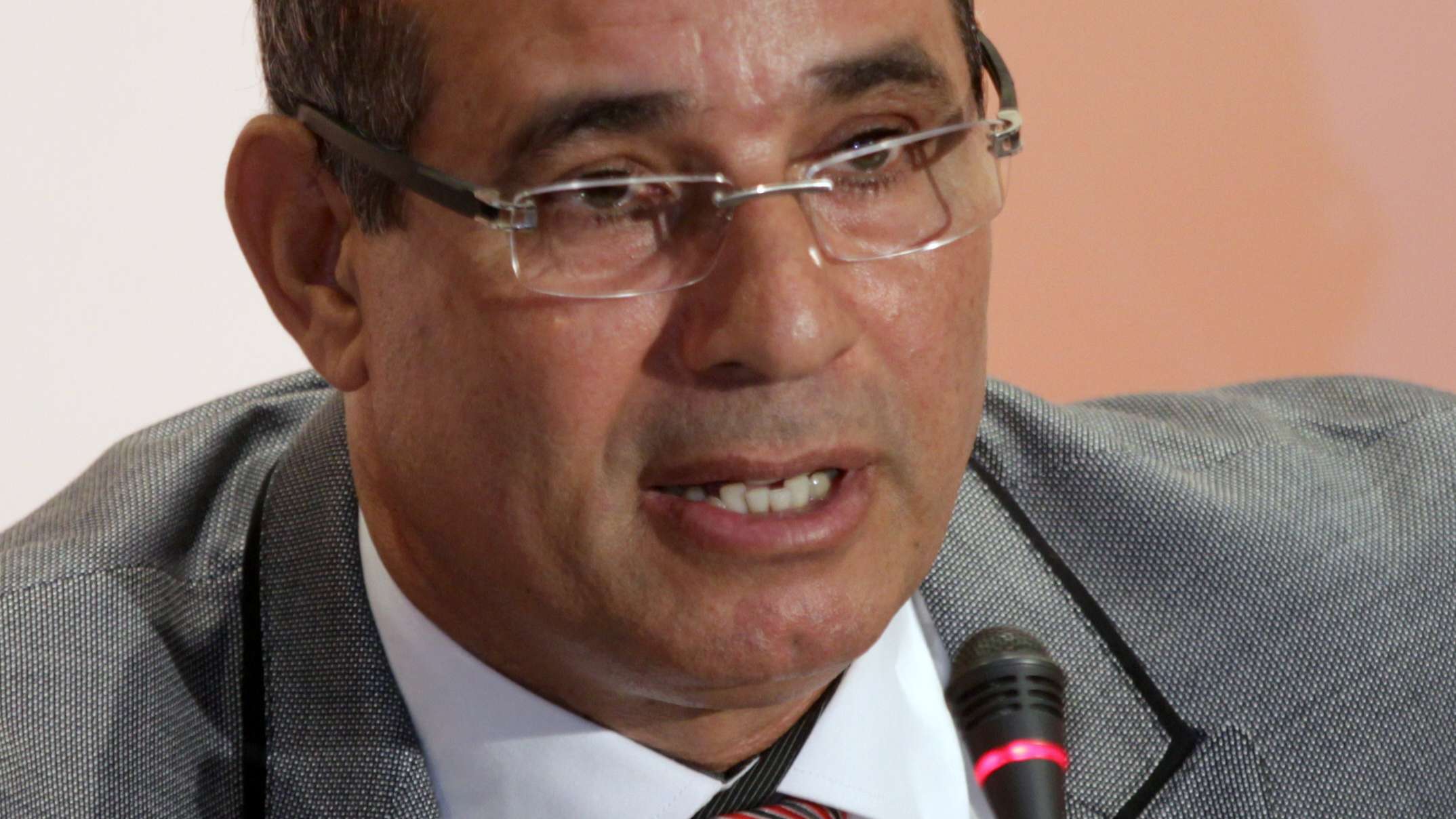

Badou Zaki: A New Era for Jordan Football and the Road to Future Glory
Jordanian football is experiencing an exciting renaissance, and at the heart of this transformation is the influential figure of Badou Zaki. As the newly appointed head coach of the Jordan national team, Zaki brings a wealth of experience, strategic vision, and a deep understanding of the game’s nuances. His arrival marks a pivotal moment in Jordan’s football journey, promising not only continuity but also a fresh approach aimed at elevating the team to new heights on the Asian and world stages.
From a Historic Rise to a New Challenge
Badou Zaki’s appointment follows a remarkable period of success for Jordan, a team that has been steadily climbing the ranks of Asian football. Prior to Zaki, coaches like Jamal Sellami and Hussein Ammouta played instrumental roles in leading Jordan to significant milestones, including qualification for the 2026 FIFA World Cup and impressive runs in continental tournaments such as the 2023 Asian Cup and the 2025 Arab Cup finals.
In an exclusive interview with FIFA’s official website, Zaki expressed his enthusiasm for stepping into this new role. He described his tenure as “a new chapter and a new challenge,” emphasizing his commitment to further developing a team that has already made history. His confidence is rooted in the belief that Jordan’s recent achievements are not mere flukes but the result of strategic reforms and the emergence of a talented generation of players.
The Foundations of Jordan’s Football Renaissance
What accounts for Jordan’s recent football resurgence? Zaki attributes it to a comprehensive and meticulously planned “renaissance” within the national football ecosystem. This transformation includes several key elements:
- Infrastructure Improvements: Upgraded training facilities and stadiums have provided players with a conducive environment for development and high-performance training.
- Grassroots and Academy Expansion: The proliferation of youth academies and talent development programs has created a broader pool of skilled players capable of competing at the highest levels.
- Focus on Age-Group Tournaments: Emphasizing youth competitions has allowed young talents to gain valuable international experience early in their careers, accelerating their growth and readiness for the senior team.
These efforts have culminated in a more competitive and cohesive national team, capable of holding their own against established football powerhouses in Asia and beyond.
Building on Success: The Path Forward
Zaki’s immediate objective is to build upon the momentum Jordan has gained. His approach involves a careful assessment of the current squad’s technical, tactical, and physical qualities. He recognizes the importance of team stability and aims to develop a balanced, organized side that can adapt to various challenges.
He highlighted that the upcoming matches, including friendly fixtures scheduled for October 7 against Venezuela, are crucial for evaluating players’ readiness. These encounters serve as a testing ground to identify emerging talents and refine tactical strategies, all while maintaining the team’s core identity.
The Golden Generation and the Quest for Consistency
One of the defining features of Jordan’s recent football success is the rise of a “golden generation” of players. Zaki attributes this to a combination of factors, including improved infrastructure, effective youth development, and a national focus on nurturing young talent through age-group tournaments. This cohort has shown resilience and skill, capable of competing against some of the best teams in Asia and beyond.
Their debut in the World Cup was a historic moment, marking Jordan’s first appearance on football’s biggest stage. Facing formidable opponents such as Argentina, Austria, and Algeria, the players gained invaluable experience that will serve as a foundation for future campaigns. Zaki emphasizes that these experiences have demonstrated Jordan’s capacity to compete at the highest levels, laying the groundwork for sustained success.
Strategic Squad Selection and Future Goals
When it comes to squad selection, Zaki remains pragmatic. He confirmed that nine players were recently changed in the squad, with decisions driven by technical readiness, physical fitness, and the team’s strategic needs. Transparency and fairness remain central to his selection process, as he stresses the importance of performance and dedication over mere reputation.
While discussions about the 2030 FIFA World Cup are already underway, Zaki insists that the team’s focus remains firmly on the upcoming 2027 Asian Cup, set to be hosted in Saudi Arabia. Success in that tournament will be crucial for securing qualification and further boosting confidence among players and supporters alike.
Looking Beyond the Asian Horizon: The 2030 World Cup
Despite the current emphasis on regional competitions, Zaki admits that qualifying for the 2030 World Cup is a long-term aspiration. He expressed a personal desire to see Jordan participate in that tournament, especially with Morocco, his homeland, among the hosts. Such an achievement would be a historic milestone, and Zaki believes that with continued development, disciplined training, and strategic planning, Jordan can regularly qualify for World Cups in the future.
He advocates for a measured approach, emphasizing that progress must be steady and sustainable. Taking “step by step” ensures that Jordan’s football infrastructure, talent base, and tactical sophistication evolve harmoniously, increasing their chances of making a mark in global tournaments.
Predictions and the Road Ahead
As Jordan prepares for upcoming fixtures and the Asian Cup qualifiers, football analysts and fans alike are keen to evaluate the team’s prospects. Prediction models suggest that with Zaki’s leadership and the ongoing development programs, Jordan could emerge as a dark horse in regional competitions, potentially qualifying for future World Cups and making a splash on the international stage.
Football prediction experts highlight that Jordan’s growth trajectory, combined with a talented squad and strategic coaching, positions them as a team to watch in Asian football circles. Their ability to adapt tactically and maintain team cohesion will be crucial in upcoming matches, especially against stronger opponents.
Conclusion: A Bright Future for Jordan Football
In conclusion, Badou Zaki’s appointment signifies a new chapter filled with hope and ambition for Jordan football. His vision for a balanced, organized, and resilient team aligns with the country’s broader developmental efforts. As Jordan aims to solidify its place among Asia’s football elite and strive for consistent World Cup appearances, the journey ahead promises excitement and possibilities.
With a foundation built on infrastructure, youth development, and a golden generation of players, Jordan’s football future appears promising. The path to glory involves patience, strategic planning, and unwavering dedication—principles that Zaki embodies fully. As fans and analysts watch eagerly, one thing is clear: Jordan’s football renaissance is well underway, and the best is yet to come.