
Fulham Coach Alvaro Arbeloa Accuses Officials of Bias Following Controversial Premier League Clash with Manchester United
The recent Premier League fixture between Fulham and Manchester United at Craven Cottage has sparked intense debate among fans, analysts, and football enthusiasts worldwide. The match, which appeared to be heading towards a Fulham victory, took a dramatic turn in the final moments, leading to fiery comments from Fulham’s head coach, Alvaro Arbeloa. The Spanish tactician has publicly accused match officials of deliberately influencing the outcome, suggesting that referees were intent on preventing Manchester United from suffering a defeat during this critical fixture.
Detailed Breakdown of the Match and the Controversy
From the outset, the game showcased high stakes and intense competition, characteristic of top-flight football in the Premier League. Fulham, aiming to solidify their position in the league standings, took an early lead through a well-executed goal, energizing the home crowd and boosting team morale. Throughout the match, Fulham displayed resilience, tactical discipline, and a commendable attacking approach that kept Manchester United on the back foot.
However, as the clock ticked into the 89th minute, a pivotal moment occurred. Matheus Cunha, Fulham’s talented forward, scored a stunning goal that seemed poised to secure three valuable points for the London club. The goal was celebrated not just for its precision but also for its significance in the context of the league table. Yet, almost immediately after the restart, controversy erupted: the referee’s decision to disallow what appeared to be a legitimate goal, followed by a contentious equalizer from Manchester United scored in the dying seconds of the match.
Alvaro Arbeloa’s Bold Claims and the Refereeing Controversy
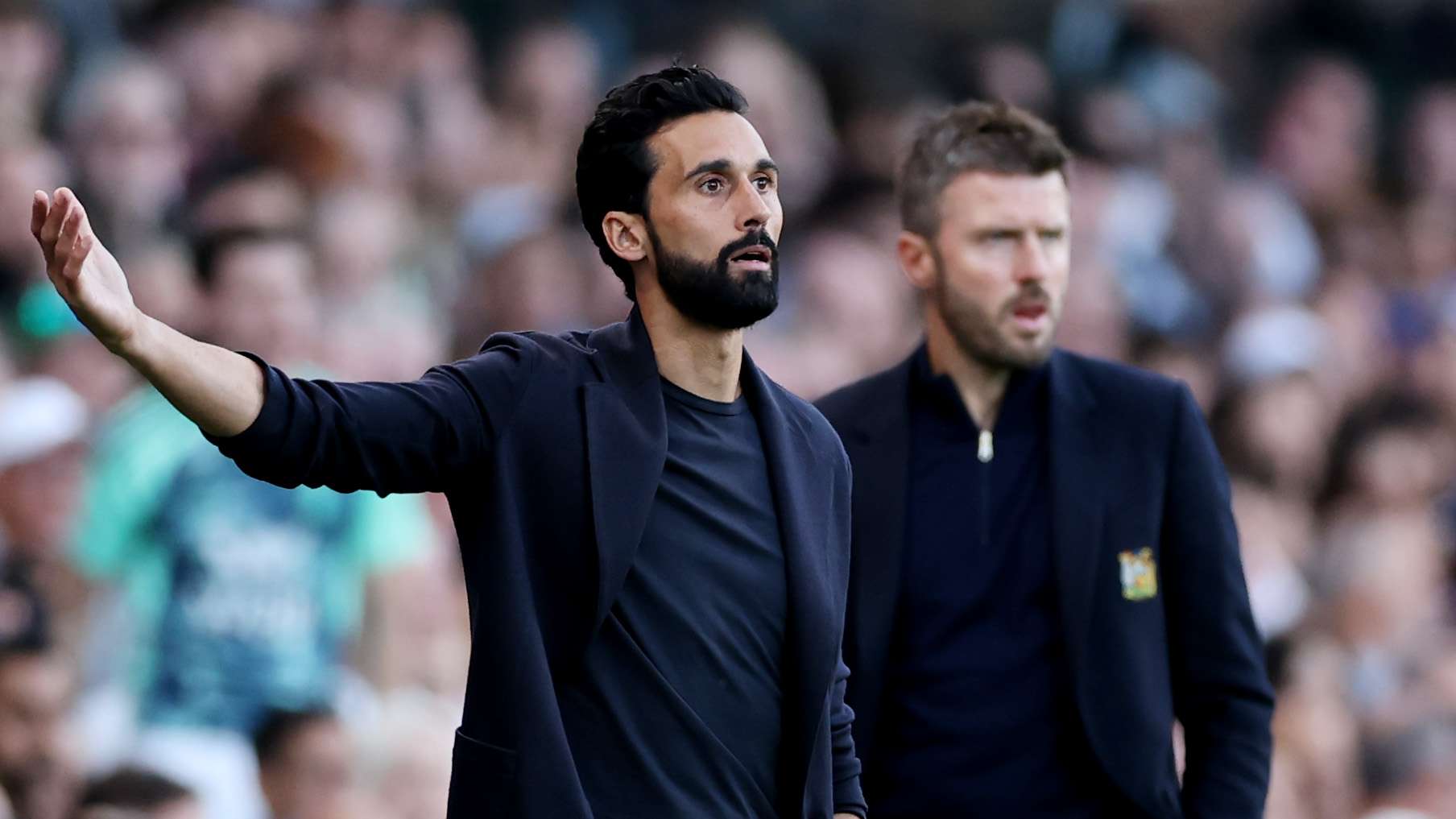
In the aftermath of the game, Fulham’s head coach Alvaro Arbeloa did not hold back. Speaking passionately in his post-match interview, Arbeloa expressed his belief that the refereeing decisions were heavily skewed against Fulham, implying a possible bias or undue influence aimed at ensuring Manchester United avoided defeat. “It felt like the officials were determined not to let Manchester United lose today,” Arbeloa stated, visibly disappointed and frustrated. “The decisions went in their favor at crucial moments, and it’s hard not to think that there was some level of bias involved.”
This candid accusation has added fuel to the ongoing debate about refereeing standards and integrity in football. Arbeloa’s comments are not isolated; in recent years, the Premier League has faced scrutiny over controversial decisions, VAR interventions, and allegations of favoritism. Nonetheless, such direct accusations from a head coach are rare and tend to resonate deeply within the football community.
The Impact on Football Prediction and Betting Markets
For football enthusiasts and bettors, the outcome of matches heavily influences predictions and betting markets. Controversies like these often lead to uncertainty, prompting a re-evaluation of prediction models and betting strategies. Analysts now question whether certain fixtures are genuinely decided on the pitch or subtly influenced by external factors, such as refereeing decisions or potential biases.
Before the match, many predicted a balanced contest, with Fulham’s solid home record and Manchester United’s formidable squad. However, the contentious decisions have cast doubt over the fairness of the result, highlighting the importance of transparency and consistency in officiating. For those placing football predictions, especially in live betting scenarios, such incidents serve as a reminder to consider the broader context and potential biases that may influence match outcomes.
Broader Implications for the Premier League and Football Governance
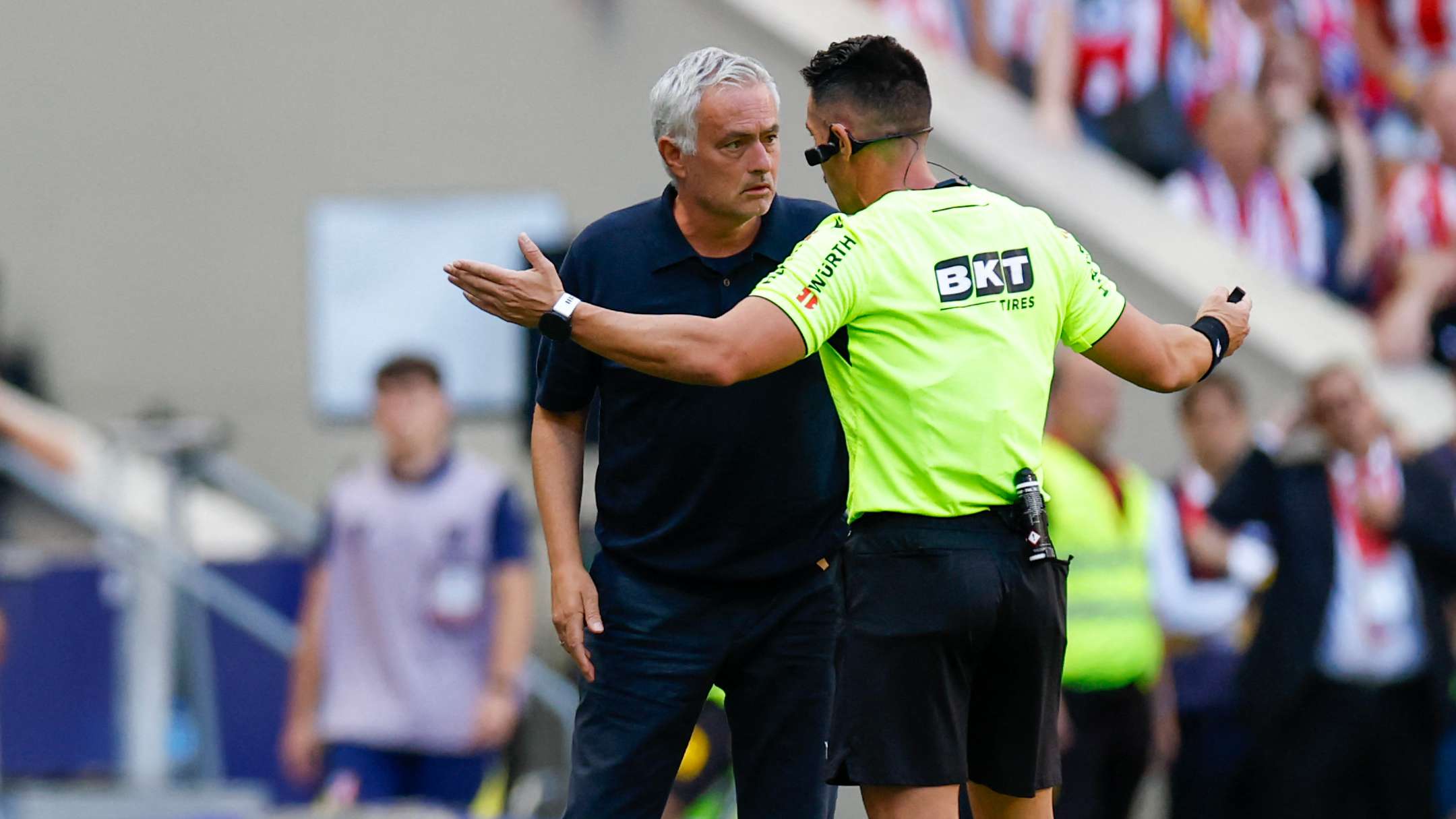
The controversy surrounding this Fulham versus Manchester United game underscores larger issues within the sport. The integrity of football hinges on impartial officiating and transparent decision-making processes. When influential figures like Arbeloa question the fairness of refereeing, it sparks wider conversations about accountability within football’s governing bodies.
In recent years, the Premier League has introduced technological advancements such as Video Assistant Referee (VAR) to minimize human error. While VAR has improved decision accuracy in many cases, it has also been criticized for inconsistent application and subjective interpretation. Incidents like the one at Craven Cottage highlight the ongoing need for refinement in officiating standards and possibly more robust oversight mechanisms.
The Future of Football Predictions and Ensuring Fair Play
As football continues to evolve with technological innovations and data analytics, the focus on fair play remains paramount. Accurate prediction models are increasingly relying on advanced data, but they must also incorporate variables related to officiating quality and potential biases to provide more comprehensive forecasts.
Moreover, clubs, fans, and governing bodies must work collaboratively to uphold the integrity of the game. Transparency in refereeing decisions, consistent application of rules, and accountability are essential for maintaining trust among stakeholders. When controversy arises, as it did in this recent Premier League clash, swift investigations and clear communication can help restore confidence and ensure that football remains a fair and exciting sport for all.
Conclusion: The Ongoing Debate and the Need for Fairness in Football
The fiery comments made by Alvaro Arbeloa after Fulham’s match against Manchester United serve as a stark reminder of the ongoing challenges within professional football regarding officiating fairness. While the game itself is a showcase of athleticism, strategy, and passion, controversies surrounding refereeing decisions can overshadow on-field excellence and impact the sport’s reputation.
As the Premier League continues to be the pinnacle of football competition, maintaining the integrity of the game must remain a top priority. For fans, analysts, and bettors alike, understanding the nuances behind match predictions and the importance of unbiased officiating is crucial. Ultimately, football’s enduring appeal depends on its fairness, transparency, and the unwavering commitment of all involved to uphold the beautiful game’s integrity.