
Football Star Andy Carroll Reveals Traumatic Experience of Sexual Abuse: A Courageous Testimony and Its Broader Implications
In a heartfelt and courageous revelation, former professional footballer Andy Carroll has publicly shared a deeply personal experience of sexual abuse that took place in 2021. The disclosure has sent ripples through both the sports community and the wider public, highlighting critical issues surrounding abuse, mental health, and the importance of support systems for victims. As Carroll’s story unfolds, it also opens a broader conversation about safety, accountability, and the role of football in fostering an environment of trust and protection for players at all levels.
Background: From Football Pitch to Personal Struggles
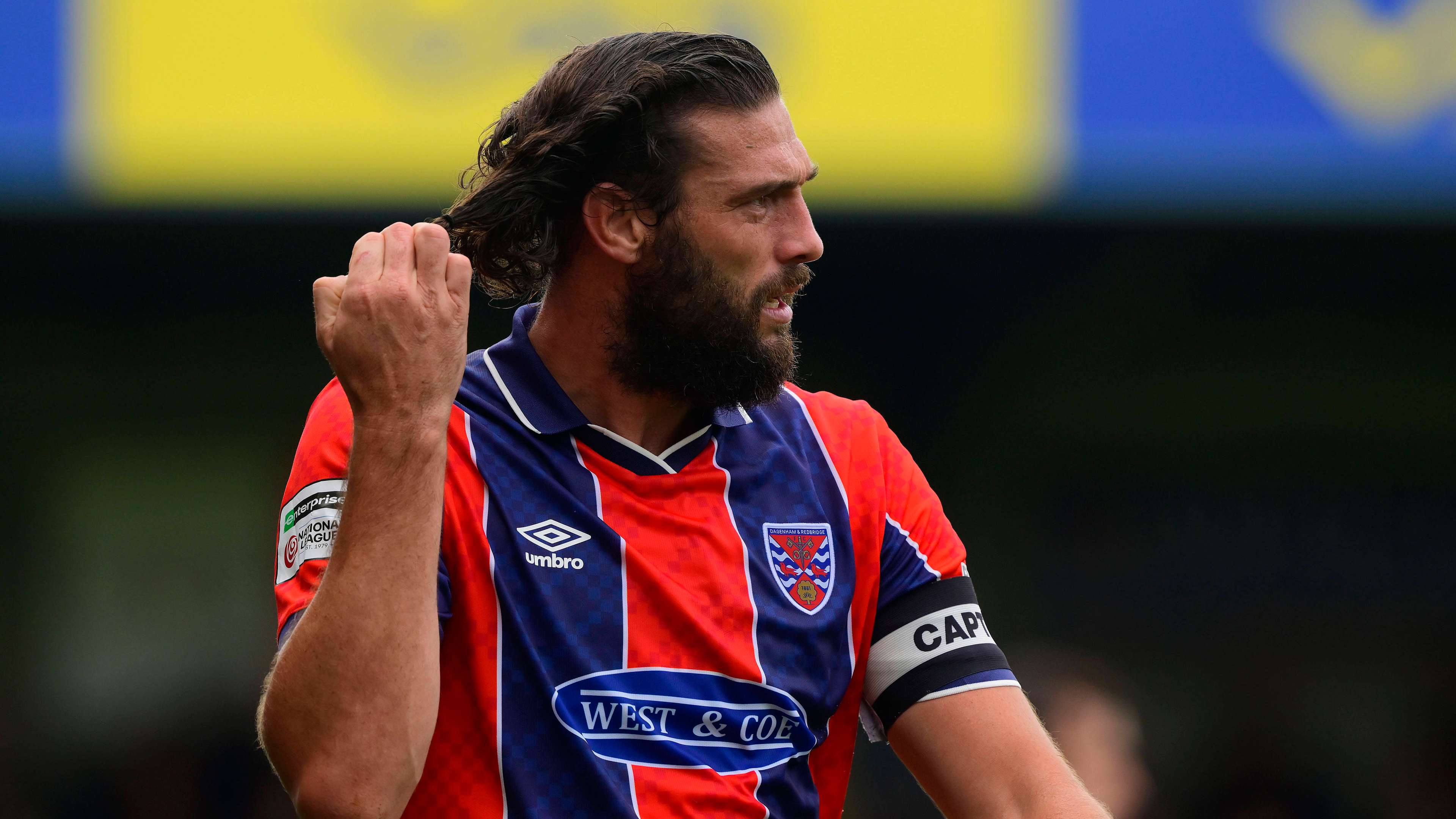
Andy Carroll, renowned for his career as a prolific striker, has been a significant figure in English football, playing for clubs like Liverpool, Newcastle United, and Dagenham & Redbridge. Known for his aerial prowess and physical presence, Carroll has amassed a loyal fanbase and respect within the sport. However, his recent autobiography, Owning It: In My Own Words, sheds light on a different aspect of his life—his personal battles beyond the football field.
In the book, Carroll candidly discusses the harrowing incident involving sexual abuse by a man named Kevin Adams, a well-known media personality and coach associated with BBC talent shows. The revelation has sparked widespread media coverage and prompted a deeper investigation into the circumstances surrounding the abuse.
The Unfolding of a Personal Trauma
According to Carroll, the abuse occurred in 2021, shortly after a match for Newcastle United, where he was still an active player at the time. The incident was initiated when Adams, who was a family friend and acquaintance of Carroll’s ex-partner, invited himself over to Carroll’s house to watch a boxing match. What appeared to be a casual social visit quickly turned sinister.
Carroll recounts how Adams began mixing drinks in the kitchen, and he started feeling light-headed—an experience he later suspected was the result of being drugged. “I think he had put something in my drink,” Carroll states. Recognizing his deteriorating condition, Carroll attempted to end the visit by calling a taxi, but Adams insisted on staying overnight in the guest room, raising immediate red flags.
Unearthing the Hidden Struggles Behind the Headlines
Throughout his narrative, Carroll emphasizes the persistent discomfort and suspicion he felt towards Adams even before the incident. Describing Adams as divorced with children, Carroll sensed that he harbored more than just friendly feelings. Adams’s repeated invitations to go out and the fact that he bought clothes for Carroll added to his unease. Carroll’s intuition proved to be correct when, during the night, Adams attempted to exploit him sexually—an act Carroll bravely resisted by knocking Adams unconscious, calling the police, and reporting the assault.
“The whole process was humiliating and embarrassing. Truly awful,” Carroll admits, reflecting on the trauma that followed. The legal proceedings that ensued lasted two years, during which Adams denied the allegations, and Carroll faced the emotional toll of reliving the experience repeatedly.
Legal Consequences and Personal Impact
In November 2023, Kevin Adams was convicted of sexual abuse, receiving a 20-month prison sentence along with a restraining order to prevent any further contact with Carroll. The conviction marked a significant victory for justice, but the aftermath for Carroll has been profound.
“When I heard the news from the police, I couldn’t stop crying. It had a huge impact on my life,” Carroll shared. “I thought about it every day, which meant I could hardly focus on anything else—not even football.” The mental health repercussions of such trauma are often underestimated, especially for public figures whose careers are intertwined with their personal lives.
Football and Mental Health: Navigating Personal Trauma
While much of the media coverage has focused on Adams’s conviction, Carroll’s story underscores the importance of mental health support for athletes and the need to create safe environments within football clubs and organizations. The sport has increasingly recognized the importance of mental well-being, with initiatives aimed at supporting players through personal crises, abuse, and trauma.
In the context of football prediction and analysis, understanding the psychological resilience of players adds a layer of depth to evaluating team performances and individual capabilities. Carroll’s openness about his trauma highlights how mental health can profoundly influence a player’s confidence, focus, and performance on the pitch.
The Broader Conversation: Abuse Prevention and Support in Sports
Carroll’s courage in sharing his story has sparked a wider discussion about safeguarding in sports. Abuse scandals have emerged across various disciplines, prompting calls for stricter regulations, better education, and more accessible support services for victims. The football community, in particular, is increasingly aware of its responsibility to protect its players and staff from exploitation and harm.
Organizations like The Football Association (FA) and various clubs are implementing rigorous safeguarding policies, including mandatory training, anonymous reporting channels, and mental health resources. Carroll’s testimony serves as a reminder that abuse can occur in any environment and that vigilance and proactive measures are essential.
How This Affects Football Prediction and Analysis
From a football prediction perspective, understanding a player’s psychological state is crucial. Mental health issues can affect performance, decision-making, and consistency on the field. As teams and analysts consider factors like team morale, cohesion, and individual resilience, personal stories like Carroll’s highlight the importance of a holistic approach to evaluation.
Football prediction models increasingly incorporate data on mental well-being, injury recovery, and psychological resilience. Recognizing the human side of athletes—beyond their physical attributes—can lead to more accurate forecasts of team performance, especially in high-pressure situations such as tournaments or critical fixtures.
Moving Forward: A Message of Hope and Resilience
Despite the pain and trauma, Carroll’s decision to speak out is a powerful act of bravery that can inspire others to come forward. His story emphasizes that healing is possible and that justice can be achieved through perseverance and support. It also underscores the importance of fostering a safe, respectful environment within football and beyond.
Carroll concludes by stating, “If by writing this I can help even one person, then it is worth it.” His openness not only sheds light on an often-hidden issue but also encourages ongoing conversations about safety, mental health, and accountability in football and society at large.
Conclusion
Andy Carroll’s candid disclosure about his experience of sexual abuse marks a significant moment in sports history, highlighting the vital intersection of mental health, personal safety, and professional football. As the football community continues to evolve, embracing transparency and support, stories like Carroll’s serve as catalysts for change—reminding us all that resilience, courage, and justice are fundamental to the beautiful game’s integrity.
For fans, players, and policymakers alike, the key takeaway is clear: safeguarding mental health and ensuring a safe environment are essential for the continued growth and integrity of football worldwide. As predictions for upcoming matches and tournaments unfold, understanding the human stories behind the players adds depth and authenticity—making the beautiful game even more meaningful.