
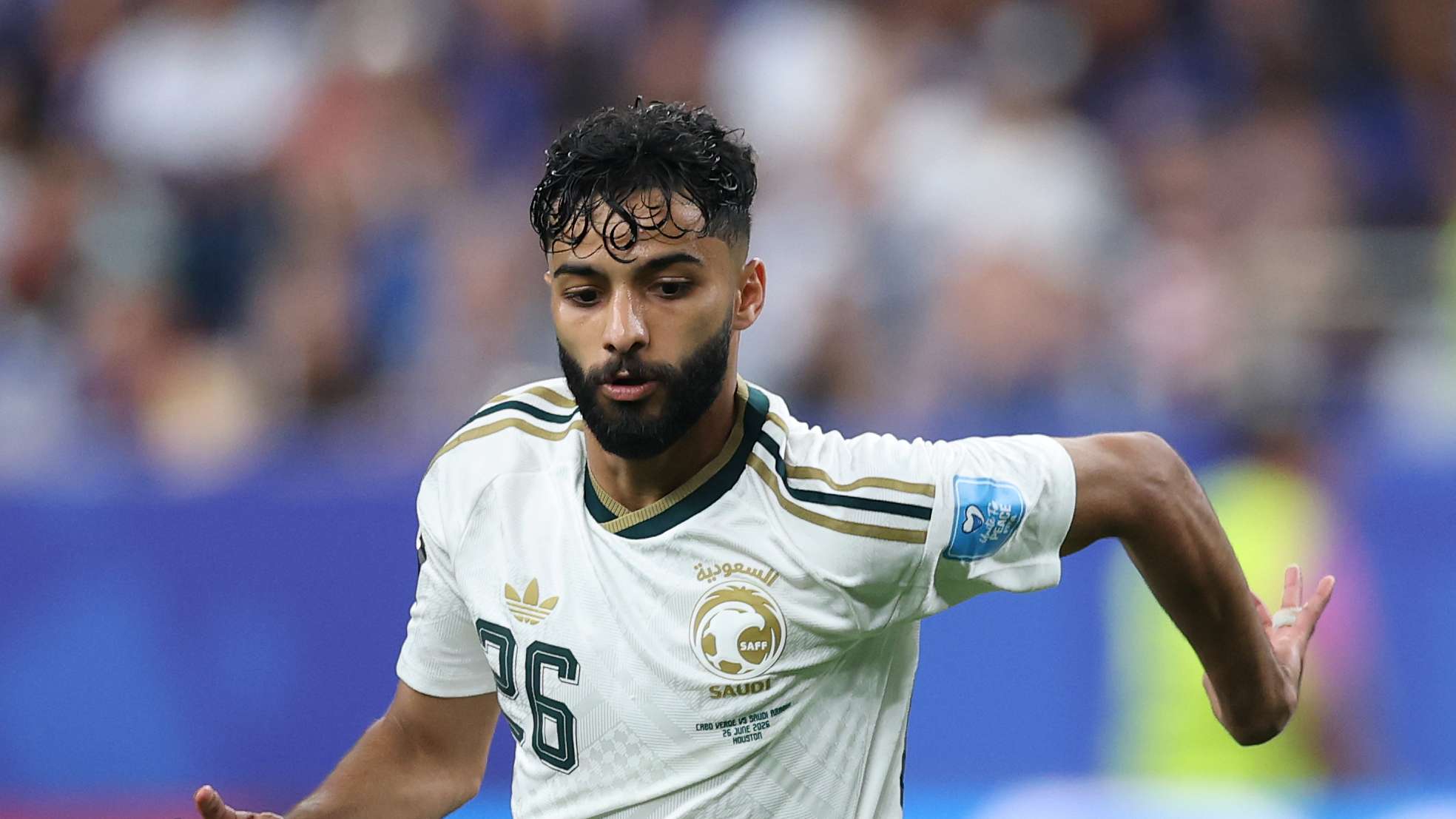

Historic Moment in Saudi Football: The Abu Al-Shamat Brothers Make Team History at Gulf 27
In a remarkable and rare occurrence that has captured the attention of football enthusiasts across the Middle East and beyond, the Saudi national team witnessed a historic lineup featuring two brothers starting together in a major tournament. This unprecedented event unfolded during the opening match of the 27th edition of the Arabian Gulf Cup, known as Gulf 27, held at the prestigious Al-Inma Stadium in Jeddah.
An Unforgettable Start to Gulf 27
The much-anticipated clash between Saudi Arabia and Kuwait marked not only the commencement of the regional football festival but also etched a new chapter in the annals of Saudi football history. The match, scheduled for Wednesday evening, saw the Saudi national team field a lineup that included brothers Mohammed Abu Al-Shamat and Saleh Abu Al-Shamat — a duo rarely seen on the same pitch at this level of competition.
As the game kicked off, football fans noted the extraordinary sight: two siblings donning the green and white jersey of Saudi Arabia, each occupying crucial roles on the field. Mohammed, a talented full-back representing Al-Qadsiah, was deployed on the right flank, showcasing his defensive prowess and attacking support. Meanwhile, Saleh, a renowned star from Al-Ahli, took up the creative role of playmaker, orchestrating the team’s offensive movements from midfield.
A Historic First in Over a Decade
This pairing of brothers in the starting lineup is an exceedingly rare event in Saudi football. According to the Saudi news channel Al-Arabiya, this marks the first time in 14 years that two siblings have started together for the Saudi national team in an official match. The last such occasion occurred on September 11, 2012, when brothers Moataz and Kamel Al-Mousa represented Saudi Arabia under the management of Dutch coach Frank Rijkaard in a friendly match against Gabon, which ended in a narrow 1-0 defeat.
The significance of this moment extends beyond mere coincidence; it highlights the deep-rooted football culture within families and communities across Saudi Arabia. It also symbolizes the unity and strength that familial bonds can bring to the national team, inspiring young aspiring footballers and fans alike.
The Rich History of Brothers in Saudi Football
While such occurrences are infrequent, the history of brothers representing Saudi Arabia on the national stage is rich and noteworthy. The same Al-Arabiya report indicates that there have been at least 16 documented cases where two or more brothers have worn the Saudi jersey at different times, contributing to the team’s success over the years.
Among these, Saleh Abu Al-Shamat’s journey is particularly interesting. He earned his first call-up to the national team under the French coach Hervé Renard, showcasing his talent and dedication. His performances quickly made him a key figure in the squad, earning widespread recognition and admiration. However, his journey was not without its ups and downs.
The Road to the 2026 World Cup and Family Dynamics
In a recent twist of football fate, Donis, the coach at the time, opted to exclude Saleh from the Saudi squad for the upcoming 2026 FIFA World Cup, which will take place across the United States, Canada, and Mexico. Instead, Donis selected Mohammed, Saleh’s brother, highlighting the intense competition and strategic decisions that often shape national team selections.
This decision sparked discussions among fans and analysts about the complexities of team chemistry, talent assessment, and the influence of family ties in football. It also underscores the importance of adaptability and perseverance for players vying for a spot in major tournaments.
What This Means for Saudi Football and Future Predictions
The inclusion of the Abu Al-Shamat brothers at Gulf 27 not only offers a compelling narrative but also serves as a potential catalyst for future team selections and tactical strategies. Their combined presence on the field could inspire coaches to consider familial chemistry as a factor in team building, especially in regional tournaments where passion and unity are vital.
From a prediction standpoint, the event has added an extra layer of excitement and intrigue to the ongoing Gulf Cup. Fans and pundits are now eager to see whether this familial pairing will influence Saudi Arabia’s performance in the tournament and beyond. As football experts analyze team dynamics, individual performances, and coaching decisions, the Abu Al-Shamat brothers’ historic debut serves as a reminder of the unpredictable and emotional nature of the beautiful game.
Looking Ahead: The Future of Football in Saudi Arabia
Saudi Arabia’s football landscape is rapidly evolving, with increased investments, improved youth development programs, and a growing pool of talented players. The story of the Abu Al-Shamat brothers exemplifies the potential for familial talent to flourish within this vibrant football environment. As the national team prepares for upcoming qualifiers and international competitions, the hope is that more stories of family legacy and unity will emerge on the pitch.
Moreover, this historic moment could influence the next generation of Saudi footballers, emphasizing the importance of perseverance, teamwork, and familial support in reaching the highest levels of the sport. With the country’s focus on developing competitive teams and making a mark on global football stages, the Abu Al-Shamat brothers’ debut is a promising sign of what’s to come.
Conclusion
The rare sight of two brothers starting together for Saudi Arabia in a major tournament like Gulf 27 has captivated football fans worldwide. It illustrates the beautiful unpredictability of football prediction and the emotional depth that familial bonds bring to the game. As Saudi football continues its upward trajectory, moments like these serve as powerful reminders of the passion, unity, and resilience that define the sport. Fans eagerly await future matches to see if more family duos will follow in the footsteps of the Abu Al-Shamat brothers, enriching the rich tapestry of Saudi football history.