
Aurelio De Laurentiis Criticizes Investment Funds and Predicts a Transformation in Italian Football
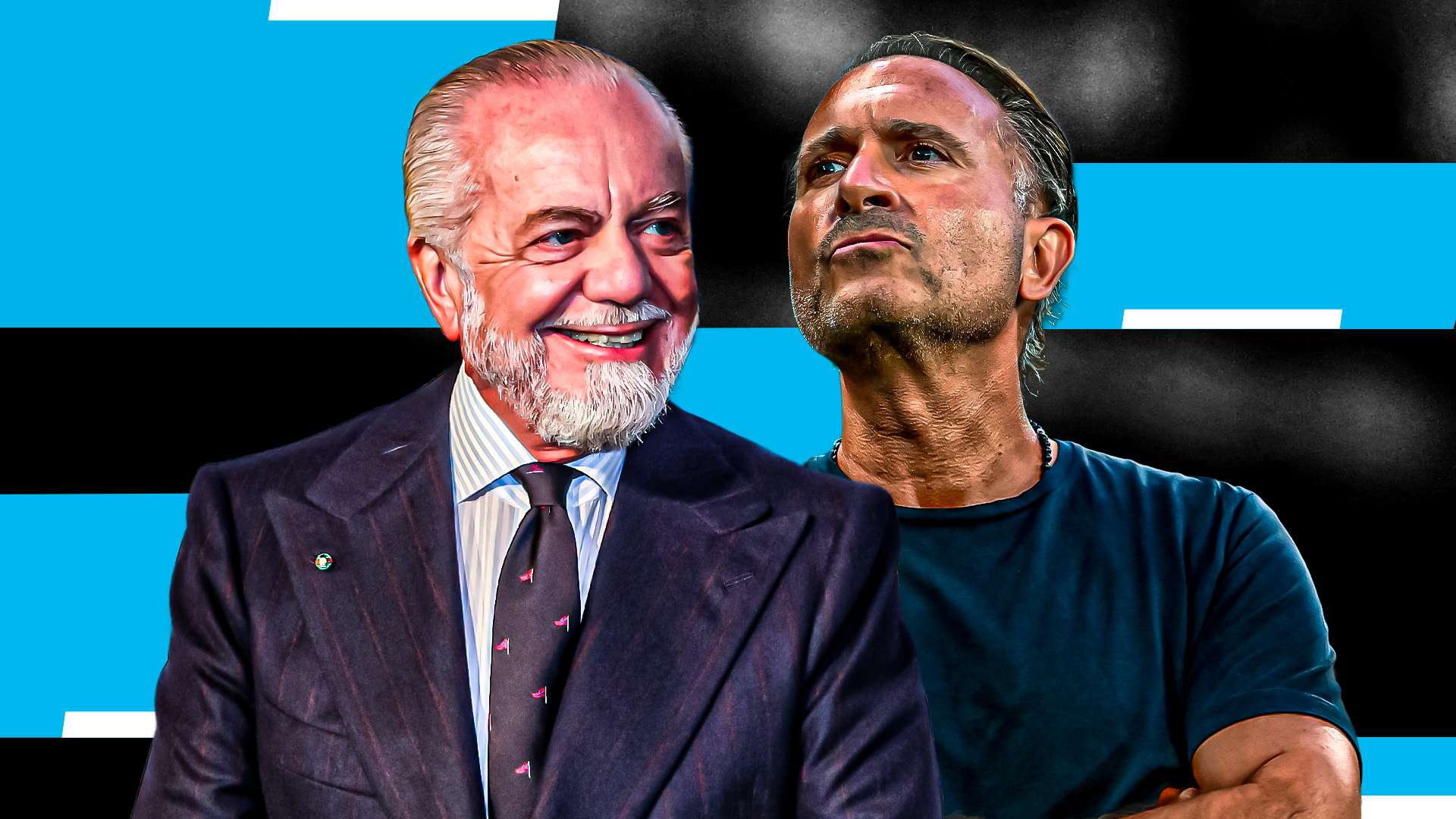
The landscape of Italian football is experiencing a seismic shift, and at the forefront of this discourse is Aurelio De Laurentiis, the influential president of SSC Napoli and owner of FilmAuro. During a recent press conference organized by the Foreign Press Association, De Laurentiis did not shy away from voicing his concerns about the increasing influence of international investment funds in Italian football clubs. His candid remarks have sparked widespread debate among fans, analysts, and industry insiders, highlighting the evolving dynamics of ownership and financial strategies within Serie A.
The Rise of Investment Funds in Italian Football
Over the past decade, European football has witnessed a significant influx of global investment funds and private equity firms acquiring stakes in prominent clubs. These entities often view football clubs as lucrative assets, leveraging their capital to modernize infrastructure, expand global fanbases, and maximize commercial returns. However, critics argue that this trend risks diluting the cultural and sporting essence of football, turning beloved clubs into purely financial entities.
In Italy, this phenomenon has become increasingly evident, with several clubs now owned or heavily influenced by international investment groups. Among these, Milan’s ownership structure, led by Gerry Cardinale’s RedBird Capital Partners, has come under particular scrutiny. Critics contend that such financial-driven ownership models may prioritize short-term profits over the long-term sporting success and tradition that have historically defined Italian football.
Aurelio De Laurentiis’s Bold Critique
During the press event, De Laurentiis expressed his concerns with unwavering conviction. According to reports from CalcioNapoli24, he accused some investment funds of prioritizing financial engineering over the integrity of Italian football. He specifically targeted Gerry Cardinale, the Milan owner, highlighting what he perceives as a departure from the sport’s traditional values.
“Football is more than just a business,” De Laurentiis stated passionately. “When clubs become mere investment vehicles for foreign funds, we risk losing the soul of what makes Italian football unique. It’s not just about profits; it’s about passion, history, and community. We must protect these elements from being overshadowed by financial speculation.”
This outspoken stance underscores a growing concern among Italian football stakeholders who fear that an overreliance on external investment could threaten the competitive balance and cultural identity of Serie A, potentially undermining its global appeal.
The Future of Italian Football: Predictions and Perspectives
De Laurentiis’s comments resonate with many fans and experts who foresee a significant transformation in the coming years. As investment funds continue to pour into clubs across Italy, questions arise about the long-term implications for the league’s competitiveness and tradition.
Experts predict that the increasing influence of foreign capital may lead to a more globalized and commercially driven Serie A, aligning it more closely with the models seen in the English Premier League or La Liga. This could result in higher revenues, improved facilities, and more competitive squads, but also raises concerns about maintaining the authentic spirit of Italian football.
Moreover, the debate extends to the role of regulation and governance. Football authorities and league organizers are tasked with balancing the influx of investment with the preservation of sporting integrity. Striking this balance will be crucial to ensure that Italian football remains both financially sustainable and true to its roots.
Implications for Fans and the Global Football Market
For fans, these developments evoke mixed feelings. On one hand, increased investment promises enhanced quality of play, star players, and more captivating competitions. On the other hand, there’s apprehension about the potential loss of traditional rivalries, regional identity, and the communal spirit that has historically characterized Italian football.
From a global perspective, the prediction is that Italian clubs will continue to attract international investors seeking to capitalize on the league’s rich history and passionate fanbases. This phenomenon is poised to reshape the football market, creating new opportunities for sponsorship, broadcasting rights, and commercial partnerships, but also prompting a reevaluation of how clubs are managed and owned.
Conclusion: Navigating the Future of Italian Football
Aurelio De Laurentiis’s candid critique serves as a wake-up call for stakeholders within Italian football. His call to safeguard the sport’s cultural and sporting values amid the tide of financialization underscores the importance of strategic regulation and community engagement.
While the prediction points towards a more commercially vibrant Serie A, preserving the league’s identity will be paramount. The future of Italian football hinges on striking a delicate balance—embracing modern financial opportunities without sacrificing the passion and tradition that have made Italy a football powerhouse for generations.
As the debate continues, one thing remains clear: the evolution of Italian football will be shaped by the decisions made today, with the hopes of maintaining its esteemed legacy while embracing the opportunities of a globalized football market.