
Gangtok Hosts Landmark Junior National Badminton Championships
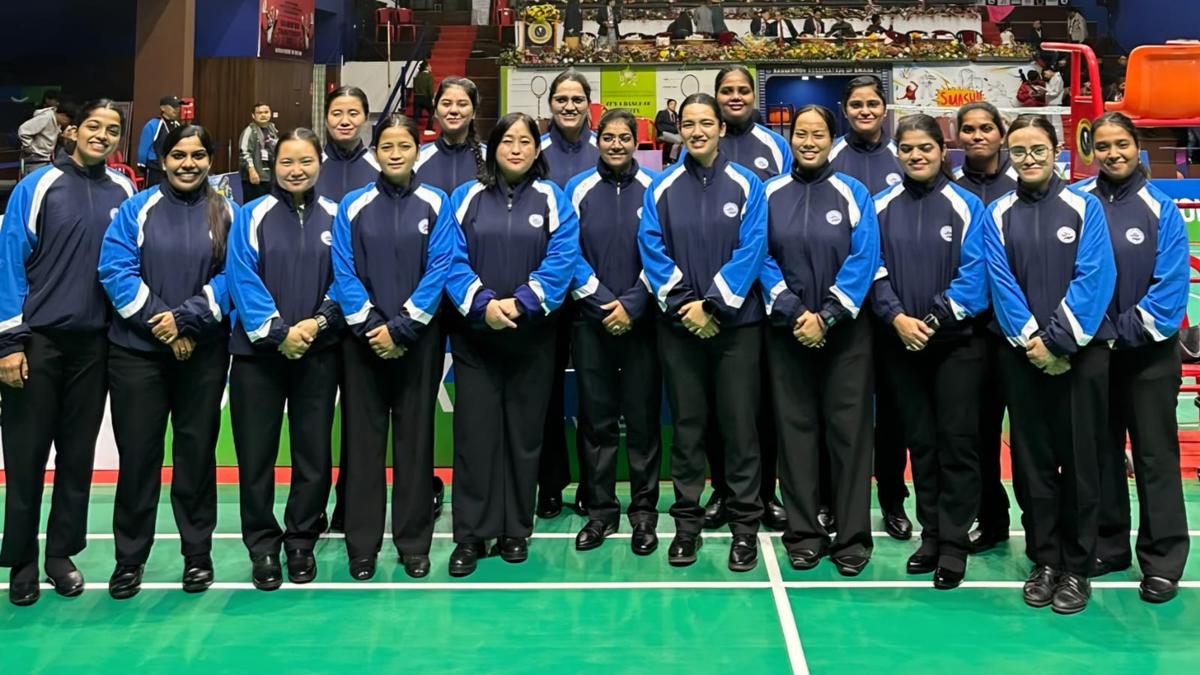
The 49th Junior (Under-19) National Badminton Championships began in Gangtok, Sikkim, on Saturday, bringing together the country’s promising young players for a major test of skill and composure. This year’s tournament has already made history: it is the first national badminton championship in India to feature an all-women panel of chair umpires.
The milestone gives the event significance beyond the competition itself. Alongside offering junior athletes a chance to compete for national honours, the championships are creating a high-profile platform for women officials to take on key roles in the sport. The initiative also reflects a broader effort to strengthen representation across Indian badminton, both on court and in tournament operations.
All-Women Chair Umpire Panel Marks a First
A total of 17 umpires from different parts of India have been selected to officiate at the domestic tournament. Their appointments followed an assessment of performances at the All India Ranking Tournament for the Under-15 and Under-17 categories, held in Jaipur earlier this year. Using a ranking event as a selection ground gives officials the opportunity to demonstrate their judgement and match-management skills in a competitive setting.
Chair umpires play an important role in badminton. They oversee matches, apply the laws of the game, manage on-court proceedings and help ensure that contests are conducted fairly. At a national championship featuring some of the country’s strongest junior players, the role demands concentration, confidence and a clear understanding of the rules.
Badminton Association of India (BAI) Secretary General Sanjay Mishra said the move is intended to encourage more women to pursue officiating at the highest level. The association’s goal, he explained, is to build a larger pool of qualified and experienced women umpires and give them opportunities to work at major national events.
Mishra also said the initiative could inspire more women to consider umpiring as a career. Regular exposure to high-level competition can help officials develop experience, while visible appointments at major tournaments may encourage newcomers to enter the profession. For young players and aspiring officials watching the championships, the all-women panel offers a practical example of women taking on leadership responsibilities in sport.
Team Events Set the Early Pace
The championships opened with the inter-state team competition, which is scheduled to run over two days. The individual events are due to begin on November 16, giving players another opportunity to compete for titles after the team matches conclude. The two formats bring different challenges: team ties reward depth and collective performance, while individual draws place the emphasis on each player’s ability to manage a match from start to finish.
Several teams made strong starts in the opening clashes. Maharashtra’s girls’ team defeated Assam 2-0, while Haryana’s boys’ team recorded an identical scoreline against Maharashtra. The results gave both sides an early boost as they looked to progress through the team competition.
Uttarakhand also advanced to the last-four stage in both the boys’ and girls’ events after defeating host team Sikkim. Competing on home courts can give a host side valuable support, but it can also bring added pressure. Uttarakhand’s double success underlined the squad’s strong start and secured its place among the teams moving forward.
Why the Championships Matter for Young Players
For Under-19 competitors, a national championship is more than a chance to win a medal. It provides experience against players from different states, exposes athletes to the demands of knockout competition and helps them assess their progress against a wider field. Strong performances can also raise a player’s profile as they work towards higher-level tournaments and future opportunities in Indian badminton.
Team events add another dimension to that development. Players must prepare not only for their own matches but also for the changing momentum of a tie, where every result can influence the team’s position. Supporting teammates, adapting to match conditions and handling pressure are valuable skills that can carry over into individual competition.
The start of the individual events on November 16 is expected to shift attention towards the pursuit of personal honours. With the team competition establishing early momentum, players will aim to carry confidence into the singles and doubles draws. The championships are therefore set to combine emerging talent, state-level rivalry and the experience of competing on a national stage.
A Step Towards Broader Representation in Indian Badminton
The all-women chair umpire panel gives this year’s junior nationals a lasting point of distinction. Its impact will depend on whether opportunities continue beyond Gangtok, with officials receiving the training, mentoring and regular appointments needed to build long-term careers. Still, the decision to place women in prominent officiating roles at a national event is a meaningful step towards that goal.
As the tournament continues, attention will remain on both the results and the broader progress it represents. The young players are competing for team and individual success, while the officials are contributing to a milestone for the sport. Together, these developments make the 49th Junior National Badminton Championships an important occasion for Indian badminton—one that celebrates emerging talent while opening the door to greater participation in officiating.