
Fissing Urges Al-Ittihad to Learn After Al-Hilal Clasico Defeat
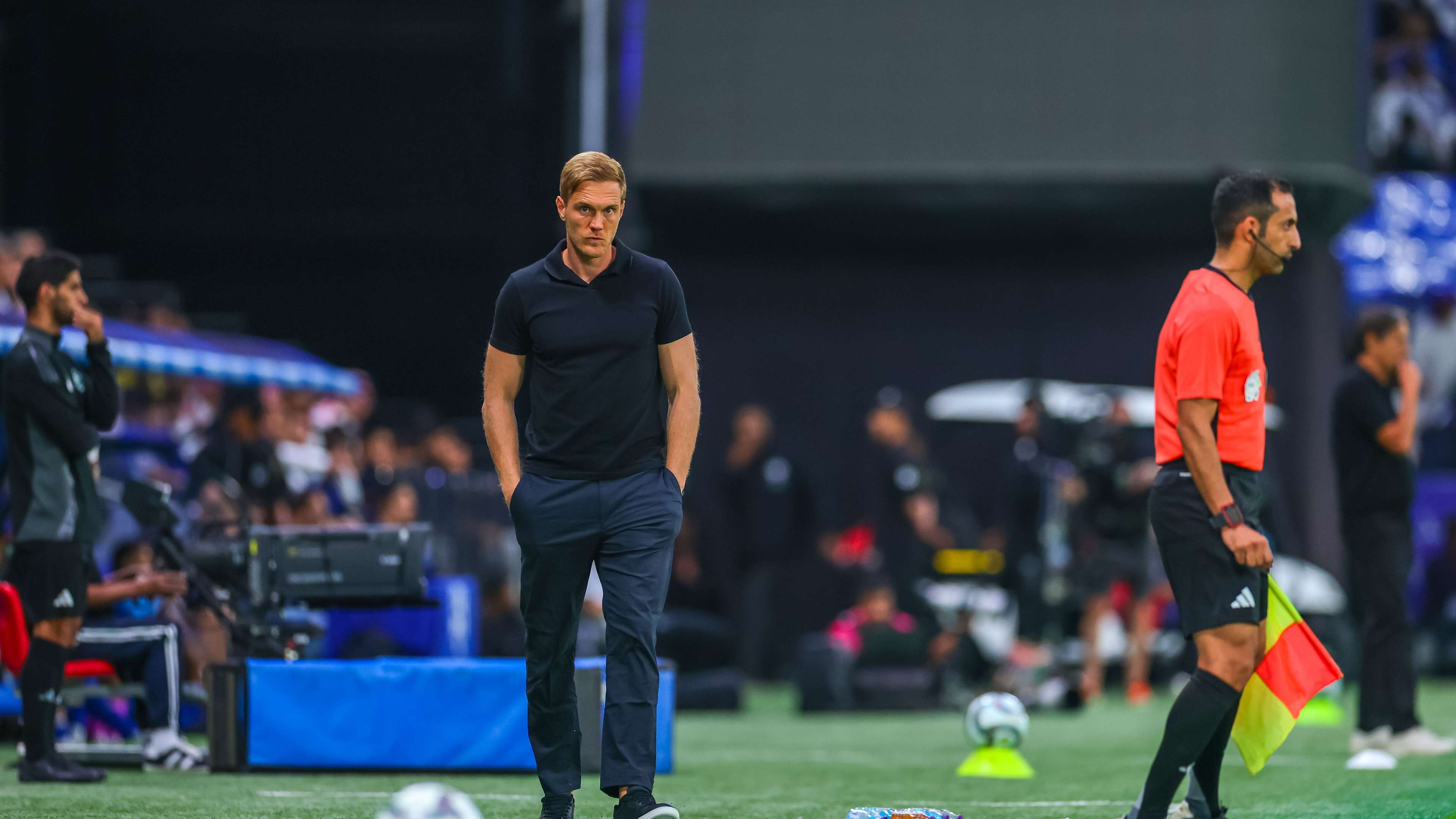
Al-Ittihad manager Jens Fissing said his players must learn from their mistakes and quickly turn their attention to the next fixture after suffering a 3-2 defeat to Al-Hilal in Saturday’s Saudi Roshn League Clasico. The loss ended Al-Ittihad’s unbeaten start to the league season and left the team with work to do in the title race.
Despite the disappointment, the Dutch coach praised his squad’s effort and intensity, saying they continued to compete until the final whistle. His post-match comments reflected a familiar challenge in elite football: a team can show commitment and create a competitive contest, yet still be punished by small errors against a powerful opponent.
Fissing: Al-Ittihad Gave Everything Against a Strong Rival
Speaking at the post-match press conference, Fissing acknowledged that Al-Ittihad had not secured the result they wanted, but insisted the players had committed themselves fully. “We lost the match. We gave everything physically and, in terms of intensity, we fought until the end,” he said.
Fissing also stressed the quality of the opposition. He described Al-Hilal as a major team and pointed to its impressive recent record, noting that the league leaders had lost only a small number of matches over an extended period. The exact figure was uncertain in his recollection, but his wider point was clear: Al-Ittihad faced one of Saudi football’s most consistent sides.
“We had to beat this team, and we gave everything we had until the end, but we must learn, and we will focus on the next match,” the coach added. His comments offered no attempt to disguise the frustration of defeat. Instead, they placed emphasis on reviewing the performance, identifying what went wrong and responding in the fixtures ahead.
A close scoreline, but important lessons
The 3-2 result underlined how narrow the margins can be in a high-pressure derby. Against a team with Al-Hilal’s experience and attacking quality, defensive concentration and decision-making can prove decisive. For Al-Ittihad, the task now is to assess the moments that shaped the match without allowing one setback to undermine the progress made earlier in the campaign.
That response could be crucial to the club’s ambitions. Al-Ittihad entered the eighth round unbeaten, but now sit on 17 points in second place, four points behind Al-Hilal. The standings remain competitive, yet the gap gives the leaders an advantage that Fissing’s team will need to work hard to close.
Fissing Explains George’s Absence and Praises Al-Ghamdi
Fissing also addressed questions about his selection of foreign players, clarifying that leaving George out was not a judgment on the player’s ability. Saudi league match regulations limit clubs to registering eight foreign players for each game, meaning coaches must make difficult choices even when several overseas players are performing well.
“George is a wonderful player and I love him, but the regulations only allow me to register eight foreign players in each match,” Fissing said. He added that the players who took part against Al-Hilal delivered what was expected of them. His explanation highlighted the practical constraints behind team selection, where squad quality alone cannot determine who makes the matchday group.
The coach was particularly enthusiastic about Ahmed Al-Ghamdi, whose display stood out in the Clasico. Fissing called the midfielder the best player on the pitch, praising his performance in a match that demanded discipline, energy and composure. Such public recognition may offer Al-Ghamdi a confidence boost as Al-Ittihad look to recover from the defeat.
For supporters, the praise also provides a positive takeaway from an otherwise difficult evening. Strong individual performances can help a team retain momentum, particularly when the schedule offers little time to dwell on a result. Al-Ghamdi’s contribution could be important as Fissing considers how to shape his midfield for the next challenge.
Why Al-Juraydan Did Not Start
Fissing was also asked about Al-Juraydan’s absence from the defensive selection. The coach explained that the player had been dealing with an injury in recent weeks and that his fitness was a significant consideration before a demanding game against Al-Hilal.
“A match like the one against Al-Hilal requires me to field the player who is ready,” Fissing said, adding that Muhannad Al-Shanqeeti fulfilled his responsibilities. The comments suggest the decision was based on readiness rather than a broader assessment of Al-Juraydan’s importance to the squad.
In a Clasico, managers must weigh technical ability against match fitness and the physical demands of the occasion. Selecting a player who is fully prepared can reduce the risk of an injury worsening and help maintain the team’s structure. Fissing’s explanation therefore framed the choice as a practical one, made with the intensity of the fixture in mind.
What Comes Next for Al-Ittihad?
Al-Ittihad’s immediate priority is to respond positively and keep pace with the league leaders. The defeat is a setback, but it does not decide the title race. With the season still developing, consistency over the next run of fixtures will matter more than one result—especially if the team can turn the lessons from the Clasico into improvements on the pitch.
Fissing’s post-match message was direct: the squad must learn, recover and focus on what comes next. His prediction for the team’s path forward was not framed as a guarantee of an immediate turnaround, but as a call for a stronger response through preparation and performance. Al-Ittihad will need to sharpen its execution, remain composed under pressure and make the most of its opportunities if it hopes to reduce the four-point gap.
For fans following Saudi football, the next matches will offer an early test of how effectively Al-Ittihad can move on from the loss. The Clasico exposed the challenge of facing a highly consistent rival, but it also gave Fissing a chance to identify areas for improvement and recognize players who delivered. The team’s reaction—not simply the defeat itself—may prove central to its season.