
Manchester United Title Dispute Sparks Intense Debate Among Football Legends
The world of football is no stranger to heated debates, especially when it involves historic achievements, legendary players, and the integrity of the sport’s most prestigious competitions. Recently, a dispute among Manchester United icons has reignited discussions about the 2011-2012 Premier League season—a campaign that ended with Manchester City clinching the title on the final day in dramatic fashion. The controversy centers around whether the Premier League should strip Manchester City of their titles earned during a nine-year period of financial misconduct, and how football prediction enthusiasts and fans interpret such developments.
The Background: The 2011-2012 Premier League Thriller
The 2011-2012 Premier League season remains one of the most thrilling in football history. Manchester United, managed by Sir Alex Ferguson, was locked in a fierce battle with their city rivals, Manchester City. The title race was decided on goal difference on the last day of the season—a dramatic finish that saw City overturn a deficit to beat Queens Park Rangers 3-2, clinching their first league title in 44 years.
However, this victory has come under scrutiny following a series of revelations about Manchester City’s financial practices, which may have influenced their success during that period. An independent commission found City guilty of breaching financial rules over a nine-year span from 2009 to 2018, raising questions about the legitimacy of their titles, including the 2012 Premier League crown. The potential stripping of these titles has profound implications for football prediction models that analyze team performances and league standings, as well as for fans and historians who cherish the sport’s integrity.
The Divergent Views of Football Legends
Wayne Rooney’s Perspective: A Humble Reflection
Wayne Rooney, one of Manchester United’s most iconic players and a key figure in their 2011-2012 campaign, expressed a strong stance on the controversy during a recent appearance on the “Stick to United” podcast. Rooney openly stated that he would not feel comfortable accepting a medal for the 2012 Premier League title, even if it were officially awarded to United after City’s titles are stripped.
Rooney explained, “I wouldn’t feel comfortable accepting another medal. I don’t think we deserve it, we didn’t do enough that season to win the league.” His words reflect a sense of sportsmanship and acknowledgment of the team’s performance that season, which, despite finishing second, was overshadowed by the controversy surrounding City’s alleged financial misconduct.
He further added, “It might happen, and they might strip the titles, but I don’t want that medal, because I think that as a team we didn’t deserve it that season.” Rooney’s stance highlights the complex emotions involved—pride in achievement, but also respect for the rules and fairness of competition.
Paul Scholes’s Bold Response: A Call for Fairness
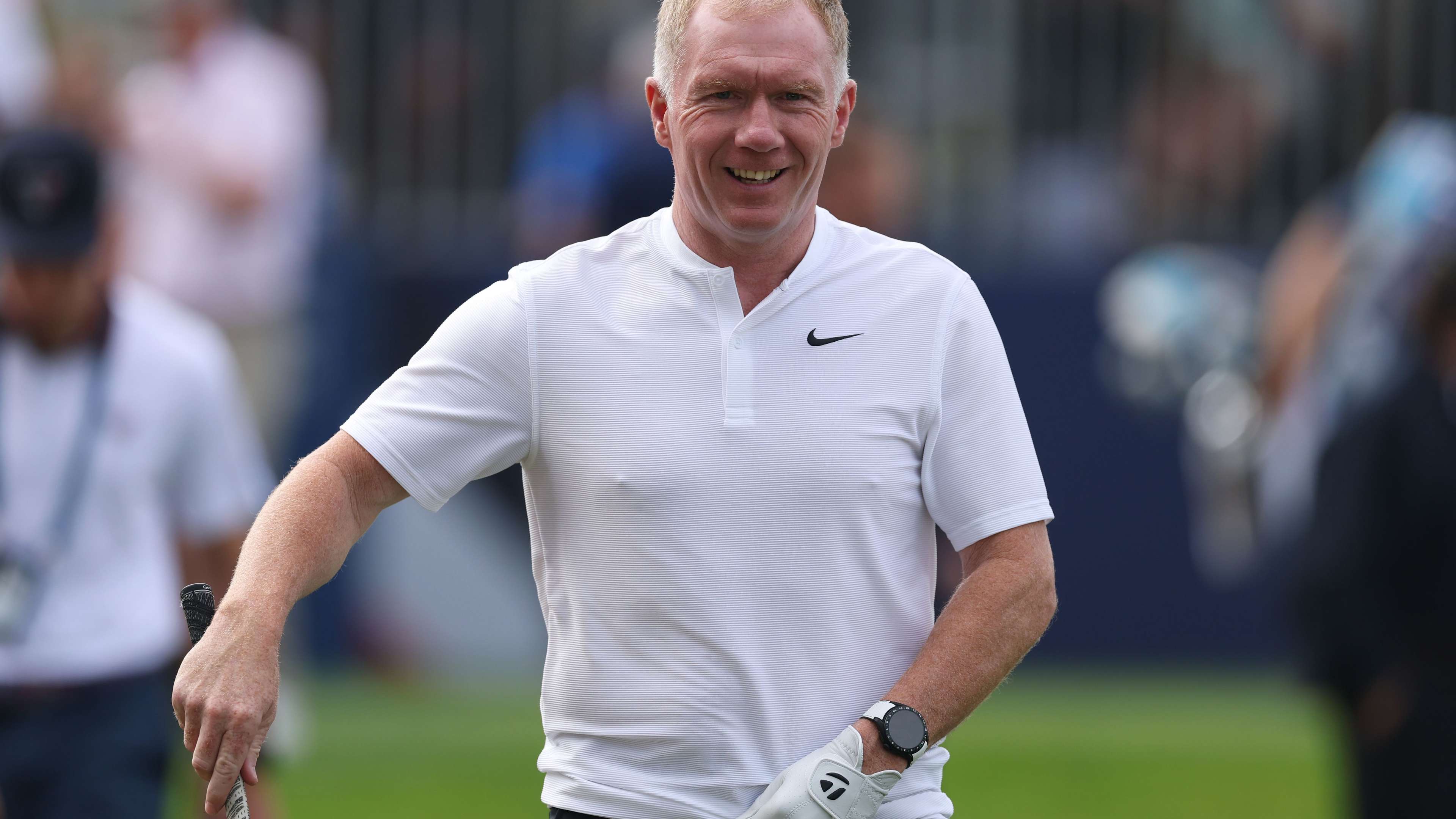
In sharp contrast, Manchester United legend Paul Scholes, who won five Premier League titles with the club, took to social media to voice his opinion. Reacting to Rooney’s comments via an Instagram story, Scholes declared:
“I keep hearing my former teammates saying they want the titles stripped from them, but they don’t want their medals… screw that, I’m greedy, I want my medal.”
Scholes’s candid remarks underscore his desire for fairness and recognition. With eleven Premier League medals stored in his cabinet, he is one of the most decorated players in United’s history. His stance suggests he believes that titles earned, regardless of the controversies, should be appreciated and celebrated, emphasizing the importance of legacy and the recognition of achievement in football prediction and history.
The Broader Implications: Football Prediction, Fair Play, and League Integrity
The debate surrounding the 2011-2012 Premier League title is not just about individual pride or team recognition—it raises fundamental questions about the integrity of football competitions. Football prediction models, which analyze team performance, standings, and historical data, rely heavily on the legitimacy of league results. If titles are to be stripped due to financial rule breaches, it could significantly impact the predictive accuracy of models used by fans, analysts, and betting companies.
This controversy also touches on the broader issue of fair play—a core tenet of football. The possibility of Manchester City losing their titles after years of legal and financial scrutiny highlights the importance of transparency and compliance with financial regulations. For fans and sports bettors who use prediction tools to forecast league outcomes, the legitimacy of titles influences betting strategies and overall engagement with the sport.
The Football Community’s Response and Future Outlook
The football community remains divided on how to interpret the situation. Notable figures like Rio Ferdinand and David de Gea have publicly supported the idea of awarding Manchester United the 2012 league title if City’s titles are revoked. Such moves could reshape the historical record, impacting how fans and analysts view the legacy of that era.
As the Football Association and Premier League officials deliberate on potential sanctions, the controversy serves as a reminder of the importance of integrity in sport. While legal proceedings continue, the debate underscores the need for rigorous oversight and accountability to preserve the sport’s credibility.
What This Means for Football Prediction and Fans
For football prediction enthusiasts, the ongoing debate adds an intriguing layer of complexity. The potential reallocation of titles could alter historical data sets used for predictive modeling, influencing future forecasts and betting odds. Moreover, it emphasizes the importance of considering off-field factors—such as financial compliance and regulatory judgments—when analyzing league standings and making predictions.
Fans are encouraged to stay informed about the latest developments and consider the broader context when engaging with football prediction platforms. The outcome of this dispute could redefine the legacy of the 2011-2012 season and serve as a precedent for how financial misconduct is addressed in the sport.
Conclusion: A Pivotal Moment in Football History
The dispute over the 2011-2012 Premier League title is more than a legal or sporting controversy; it’s a reflection of the ongoing struggle to uphold fairness and transparency in football. Legends like Wayne Rooney and Paul Scholes exemplify different perspectives—one emphasizing humility and sportsmanship, the other advocating for recognition and fairness.
As authorities weigh the evidence and consider potential sanctions, football fans and prediction analysts alike should watch closely. The resolution could reshape the historical narrative and influence how future seasons are analyzed and predicted. Ultimately, this controversy underscores that in football, integrity and legacy are as vital as the beautiful game itself.