
Egypt’s Football Campaign in the 2027 Africa Cup of Nations Qualifiers: A Deep Dive into Coach Hossam Hassan’s Strategic Decisions
The recent Africa Cup of Nations (AFCON) qualifiers have once again spotlighted Egypt’s national football team as they navigate a crucial phase in their quest for continental glory. With high expectations riding on the Pharaohs, head coach Hossam Hassan’s tactical choices and team management have been under the microscope, especially regarding their star captain, Mohamed Salah. The 0-0 draw against Angola in the opening match of the qualifiers has sparked widespread discussion among fans and analysts alike, not only about the result but also about Hassan’s decision to substitute Salah early in the game.
Analyzing the Match: Egypt’s Stalemate with Angola
The fixture between Egypt and Angola, played on a chilly Friday evening, was a tense encounter that kept fans on the edge of their seats. Despite Egypt’s rich footballing history and home advantage, they failed to find the back of the net, settling for a goalless draw. This result, while not catastrophic, places pressure on the team to improve as they aim to qualify for the 2027 Africa Cup of Nations, scheduled to be hosted in a yet-to-be-announced host country.
From a tactical standpoint, the match demonstrated both teams’ defensive resilience and midfield battles. Egypt dominated possession but struggled to convert chances into goals, a common theme in recent matches. The draw leaves Egypt with a solitary point from their first Group B game, placing them in a competitive but manageable position as the qualifiers progress.
Controversy Surrounding Mohamed Salah’s Substitution
One of the most talked-about moments of the match was the substitution of Egypt’s captain, Mohamed Salah, roughly an hour into the game. The Liverpool star, widely regarded as one of the best footballers in the world, was taken off the pitch, prompting immediate speculation about injury concerns among fans and media outlets.
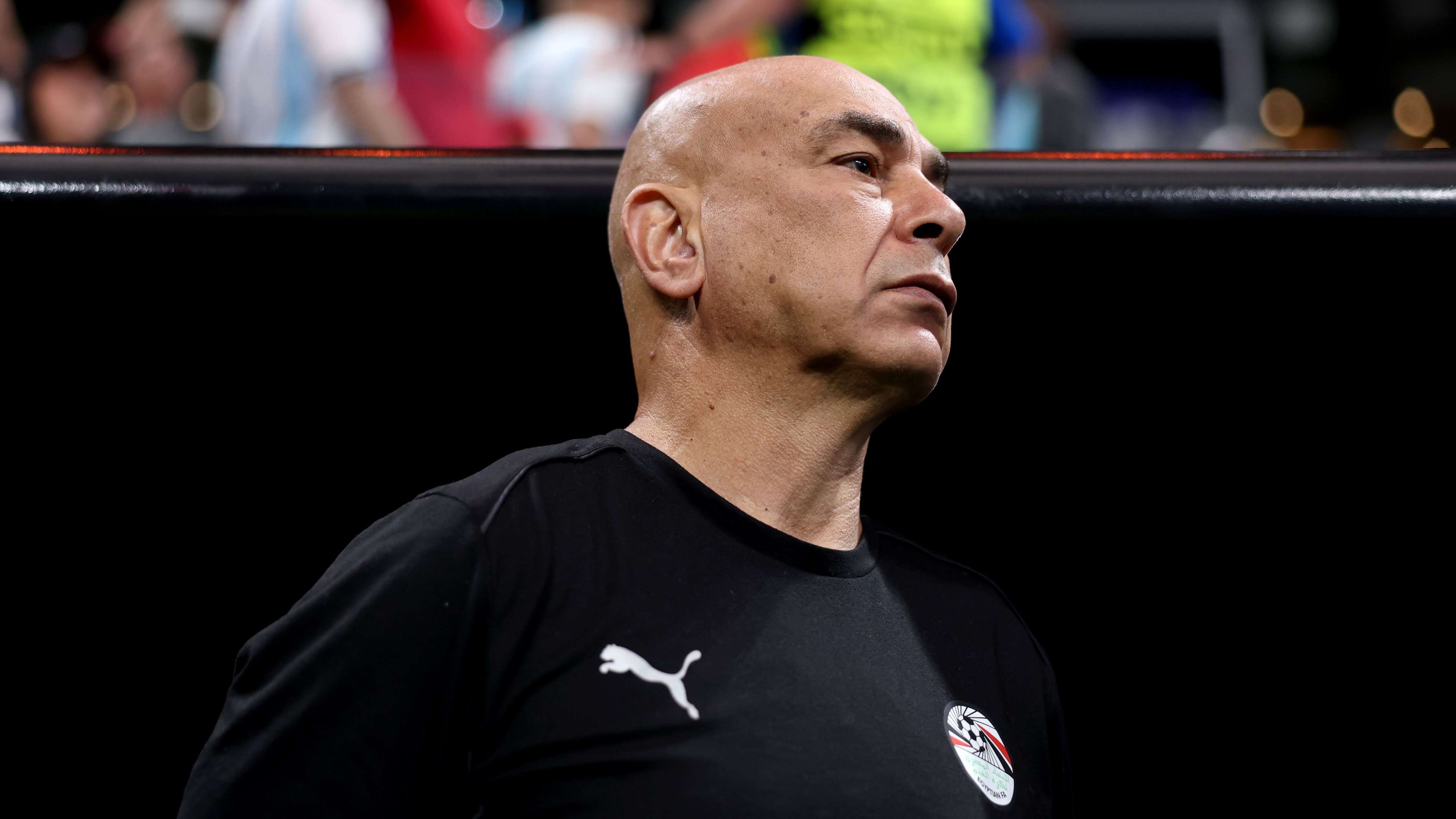
However, in a post-match press conference, Coach Hossam Hassan clarified that Salah’s removal was purely a tactical decision, emphasizing that the player was not injured. Hassan explained, “Substituting Salah was due to a tactical decision in line with the requirements and flow of the game, and the player is not injured.” This statement aimed to reassure supporters that Salah’s absence was strategic, intended to adapt to the unfolding dynamics on the pitch rather than a sign of physical distress.
Hassan’s Tactical Philosophy and Player Management
Hossam Hassan’s approach to managing Egypt’s squad reflects a blend of tactical flexibility and a focus on team cohesion. His decision to substitute Salah, despite the star’s global reputation, underscores a pragmatic philosophy that prioritizes the team’s overall strategy over individual stardom. Such decisions often spark debate among football enthusiasts, especially when they involve high-profile players like Salah.
This incident also highlights the broader challenge faced by coaches in balancing star players’ roles with tactical needs. Hassan’s ability to make tough choices demonstrates his commitment to building a resilient, adaptable team capable of competing at the highest level in Africa and beyond.
Addressing Recent Criticism and Player Form
Interestingly, Hassan’s comments have extended beyond Salah to include other key players, notably goalkeeper Mohamed El Shenawy. The coach openly acknowledged El Shenawy’s recent struggles, noting that the goalkeeper had been out of form at the club level but managed to regain his confidence through national team performances. Hassan stated, “At one point Mohamed El Shenawy was finished, and was not playing for his club, yet he returned to his level through the Egypt national team.”
This candid assessment sheds light on the importance of mental resilience and confidence in football, especially when it comes to goalkeepers whose performance can significantly influence match outcomes. Hassan’s honesty may serve as motivation for players facing similar struggles, emphasizing the role of national team environments in revitalizing individual performance.
Current Standings and Future Fixtures in AFCON Qualification
The Group Two standings reveal a tightly contested race among Egypt, Angola, Malawi, and South Sudan. After the first round of fixtures, Malawi leads with two wins from their opening matches, amassing six points. Angola and Egypt are tied with one point each, while South Sudan has yet to earn a point but remains competitive.
Looking ahead, Egypt’s next challenge is against South Sudan, scheduled for Tuesday, October 3rd. This match presents an opportunity for the Pharaohs to secure vital points and improve their qualification prospects. Following the fixture against South Sudan, Egypt will face a friendly match against South Africa at Cairo Stadium on Sunday, October 4th, a key preparatory step towards their upcoming qualifiers.
The Road to AFCON 2027: Expectations and Strategic Outlook
As Egypt continues their journey towards qualification for the 2027 Africa Cup of Nations, expectations remain high among fans, analysts, and stakeholders. Historically, Egypt has been a dominant force in African football, boasting a record number of AFCON titles. Their challenge now is to adapt to evolving tactical trends and maintain squad harmony amid intense competition.
Expert predictions suggest that Egypt’s success in these qualifiers will depend heavily on their strategic flexibility, the fitness and form of key players like Salah and El Shenawy, and the ability of coach Hassan to make tactical adjustments under pressure. The upcoming fixtures will be critical in shaping their qualification narrative, with analysts closely watching how the team responds to adversity and whether they can translate possession and chances into goals.
Expert Predictions and Insights on Football and Qualification Strategies
Football prediction experts indicate that Egypt remains one of the favorites to advance from their group, given their rich footballing history and talented squad. However, their recent performances reveal areas for improvement, particularly in finishing and defensive organization. Analysts also emphasize the importance of maintaining team morale and cohesiveness, especially after a tough draw and tactical decisions that sometimes generate controversy.
Furthermore, the strategic deployment of star players and the management of their workload will be pivotal. With global football evolving rapidly, coaches like Hassan are tasked with balancing the physical demands of players like Salah with the tactical needs of the team. The ability to adapt tactics during matches, as demonstrated by Salah’s substitution, could be a decisive factor in their qualification journey.
Conclusion: A Season of Challenges and Opportunities for Egypt’s Football Team
Egypt’s pursuit of the 2027 Africa Cup of Nations promises to be an engaging chapter in their football history. While recent results and tactical decisions have sparked debate, they also reflect a team in transition, eager to reclaim their dominance on the continent. As the qualifiers unfold, the world will be watching how coach Hossam Hassan’s strategic vision aligns with the players’ performance and resilience.
Ultimately, Egypt’s football prediction for success hinges on their ability to adapt, execute, and maintain team unity in the face of challenges. With talented players, experienced leadership, and a passionate fan base, the Pharaohs remain hopeful of securing their place in Africa’s premier football tournament and continuing their legacy of excellence.