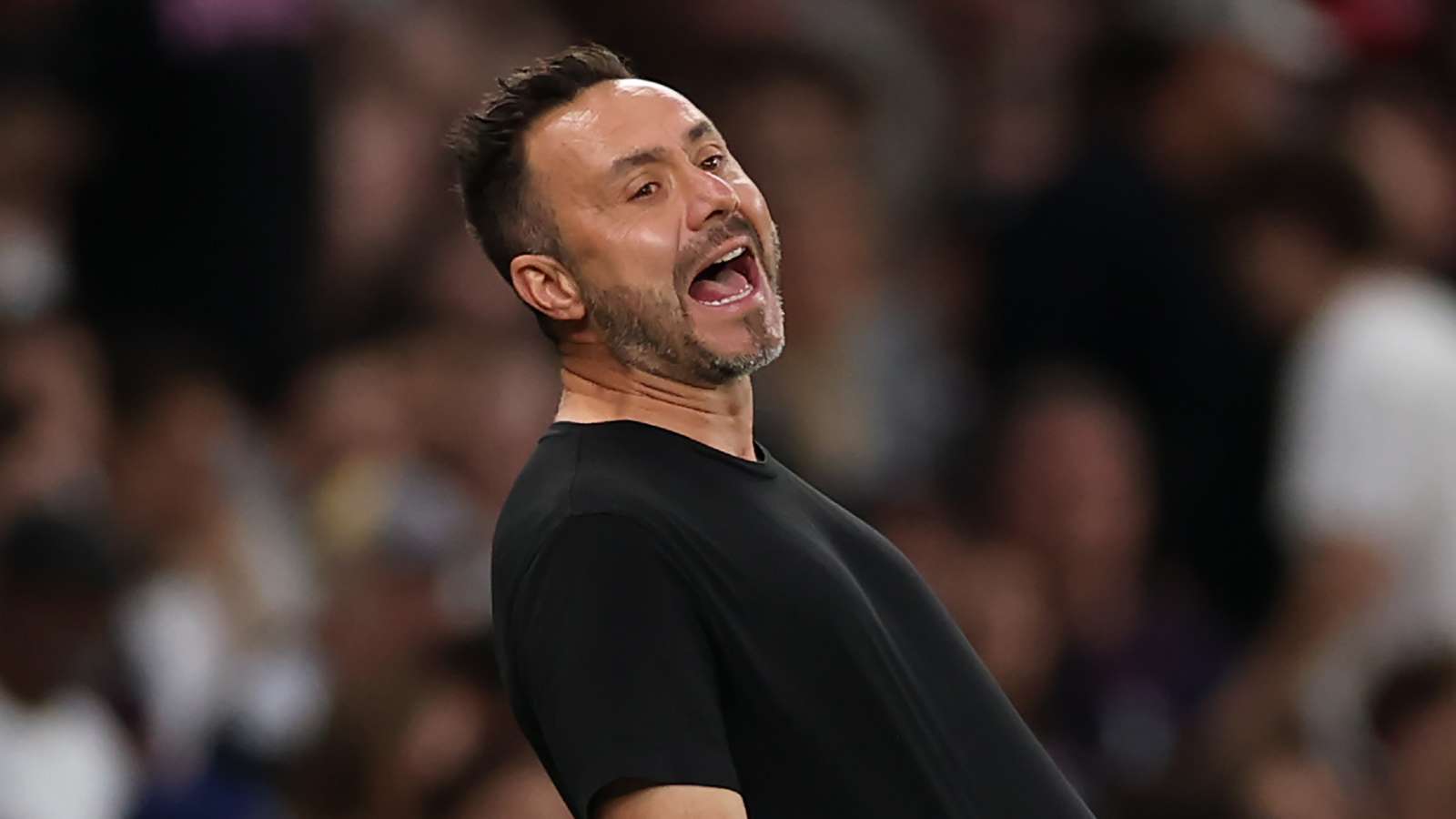
Nabil Kouki’s CS Sfaxien exit follows defeat and explosive accusations
Nabil Kouki’s time at Club Sportif Sfaxien appears to have ended abruptly after a damaging league defeat and a fiery post-match press conference. The Tunisian coach was reportedly dismissed by the club’s board following a 1-0 loss to Stade Sportif Sfaxien de Sakiet Ezzit in the fifth round of the Tunisian league, according to the local newspaper Assabah.
The result intensified frustration around the team, but it was Kouki’s comments after the match that quickly became the main talking point. He accused unnamed figures of funding media campaigns against him and spreading what he described as false reports about Sfaxien’s results. His remarks drew strong reactions across Tunisian football and added an uncertain new chapter to the club’s season.
Training session cancelled as dismissal is reported
Sfaxien’s players were expected to return to training on Sunday morning. The session did not go ahead, however, after the board had reportedly informed Kouki that he was no longer in charge. While the defeat provided an immediate sporting backdrop to the decision, reports suggest that the coach’s public accusations may also have accelerated his departure.
For a club with Sfaxien’s history and ambitions, a poor run of results can quickly place pressure on the coaching staff. A loss to Stade Sportif Sfaxien de Sakiet Ezzit was therefore more than a single disappointing scoreline: it raised fresh questions about the team’s form, direction and ability to meet expectations early in the league campaign. The reported dismissal leaves the club facing a prompt decision about who will lead the squad next.
Kouki alleges a paid campaign against him
Speaking to reporters after the match, Kouki claimed that people were paying others to attack him publicly and portray the club as being in crisis. He also alleged that coaches, sporting directors and media personalities were involved in efforts to influence the situation for their own interests.
“There are people paying money to attack me and to spread false reports about a crisis in results,” Kouki said. “The coach pays money, the sporting director pays money, and the media figures who appear on sports programmes are paid to spread the reports and serve their own narrow interests.”
The coach said he believed he understood what was happening behind the scenes and argued that the pressure had continued for some time. He described the situation as having gone beyond acceptable limits. However, the allegations were presented as Kouki’s claims; the reports cited so far do not establish that the alleged payments or coordinated campaign took place.
Reaction raises questions beyond the touchline
Accusations of paid influence carry serious implications in professional sport, particularly when they involve media coverage, club officials and the handling of a team’s results. Kouki’s comments therefore shifted attention away from the match itself and towards the wider relationship between coaches, sporting directors and sports media in Tunisia.
Local reports say calls followed for the coach to be held accountable for what he had alleged. Some coverage also raised the possibility that he could be summoned to provide a statement. That does not, by itself, confirm that formal proceedings have begun, but it underlines why the claims may continue to attract scrutiny after his reported departure from Sfaxien.
For supporters, the uncertainty creates two parallel concerns. The first is sporting: whether the club can steady its performances and appoint a successor capable of restoring confidence. The second is institutional: whether the claims will be examined, clarified or left as a heated exchange in the aftermath of a difficult result. Until more information emerges, both questions remain open.
What Kouki’s departure means for Sfaxien’s season
A coaching change so early in a league campaign can disrupt preparation, tactical continuity and players’ confidence. The next appointment will need to assess the squad quickly, identify the reasons behind the disappointing start and give the team a clear plan for upcoming fixtures. Results will matter, but so will communication: a calm and consistent message could help limit distractions while the club navigates the transition.
The board’s immediate challenge is to separate the football issues from the controversy surrounding Kouki’s remarks. If the team’s form is the central concern, the new coach will need time and support to address it. If questions about the allegations continue to dominate discussion, Sfaxien may also need to respond carefully to preserve trust among players, fans and the wider Tunisian football community.
For now, the reported 1-0 defeat has become the turning point in a story involving results, pressure and serious public claims. Kouki is no longer believed to be part of the club’s plans, while the circumstances surrounding his exit remain a subject of debate. Further developments could clarify whether the focus returns to league football or whether the allegations lead to a broader inquiry.
Football prediction: uncertainty makes Sfaxien difficult to assess
Any short-term football prediction for CS Sfaxien should be treated cautiously. A change in coach can sometimes produce an immediate response, but it can also create instability while players adapt to new instructions. The team’s next performances will depend on how quickly the club appoints a replacement, how the squad responds to the upheaval and whether the dispute surrounding Kouki’s comments continues to distract from match preparation.
Supporters will be watching for signs of organisation and resilience as much as goals or points. Until Sfaxien confirms its next steps and the team shows a more consistent level on the pitch, forecasts about a rapid recovery remain uncertain. The coming fixtures should offer the clearest indication of whether the club can turn a turbulent week into a reset—or whether the controversy will continue to overshadow its season.