
Jose Mourinho’s Real Madrid Return: A New Approach Before the Clasico
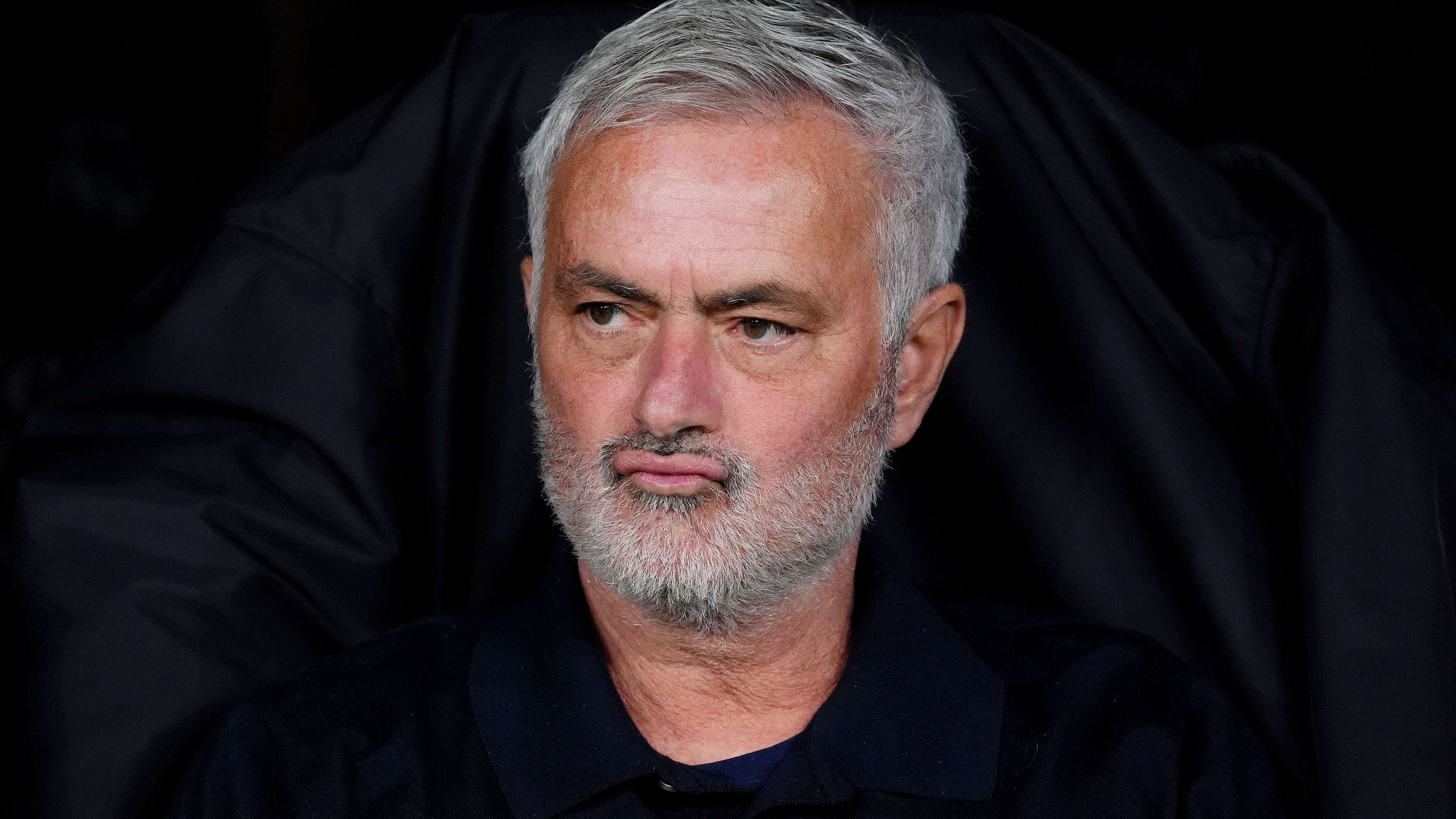
Jose Mourinho’s second spell at Real Madrid is taking shape through a mix of close communication, detailed preparation and renewed attention to daily routines. Rather than imposing the sweeping, hardline changes many expected, the Portuguese coach has focused on understanding the club, earning the dressing room’s trust and addressing practical issues that have hindered the team.
The appointment followed two seasons without a major trophy and a turbulent period on the touchline. Mourinho became Real Madrid’s fourth head coach since May 2025, after Carlo Ancelotti, Xabi Alonso and Alvaro Arbeloa. Club president Florentino Perez drove the decision, reflecting the respect Mourinho retained from his first Madrid tenure, which ran from 2010 to 2013. Real also paid Benfica a reported €15 million to release him from his contract.
Although Mourinho officially took charge in June, his work began earlier. In May, he started reviewing potential transfer targets and assessing what needed to change across the club. The broader objective is clear: restore a consistent competitive culture, close the gap on Barcelona in La Liga and make Madrid a stronger contender in the Champions League.
Authority Without an Immediate Overhaul
Expectations of an iron-fisted Mourinho have not quite matched what people around the club describe. Sources familiar with life at the Valdebebas training ground say there has been no radical restructuring or sudden attempt to remake the squad. Instead, Mourinho’s influence appears to come from his standing and the clarity with which he communicates decisions.
Players who are receiving less playing time are not necessarily satisfied, but reports suggest the dressing room has avoided the strained exchanges and public friction associated with the previous season. One person close to the squad described the central difference as Mourinho’s authority: when he sets a direction, players understand that the decision is unlikely to become an extended dispute.
That authority has been reinforced by a deliberate effort to learn before acting. Mourinho asked for detailed reports from different departments and sought information about the team’s condition, routines and support systems. He also drew on contacts from his first spell at Madrid, while making a point of understanding how the club had changed in the years since his departure.
Getting to know the players individually has been another priority. While some early conversations took place by phone, much of the contact happened through messages, particularly when players were away representing their national teams. The communication has continued, and people close to the dressing room say Mourinho’s accessibility has helped create a more direct relationship between the coach and his players.
Managing Madrid’s Star Power and Tactical Balance
Better communication does not mean every football problem has been solved. The relationship and on-field balance between Kylian Mbappe and Vinicius Junior remain important questions for a side with several high-profile attacking talents. Madrid must find a way to make its stars complement one another, rather than allowing individual qualities to pull the team in different directions.
There have been encouraging signs. Arda Guler has been given a more prominent role, while Federico Valverde has moved to right-back, offering energy and flexibility in a position that can demand both defensive discipline and attacking support. Those adjustments have contributed to improved performances, but the squad is understood to recognise that there is still considerable room to develop.
Mourinho’s training sessions are generally shorter than some players may have experienced under previous coaches, lasting roughly 60 to 75 minutes. The emphasis, however, is on intensity and working with the ball. He has also sought to explain the technical purpose behind his ideas, giving players a clearer understanding of how training exercises connect to the team’s approach on match day.
Video analysis is usually scheduled in the days before a game, with additional individual sessions arranged when a particular player needs extra guidance. Mourinho’s preference is to make tactical preparation purposeful rather than filling the week with meetings. He has also reportedly told the squad the starting line-up the day before a match, a choice intended to give players time to prepare mentally and keep match-day tension under control.
Fitness, Recovery and a More Structured Routine
One of the most substantial changes has taken place in the medical and performance departments. Dr Nico Mihic returned to lead the department after resuming duties in January, followed by a broader reorganisation that included staff departures and the arrival of Dr Alexander Cruz from Monaco.
The new plan places greater emphasis on monitoring players’ physical condition, prevention and recovery. Gym work, post-match programmes and closer observation are intended to reduce the risk of injuries across a demanding season. Mourinho said earlier in October that Madrid had reached the middle of the month without a player suffering an injury, describing it as an achievement not seen at the club for a decade. That early record is encouraging, although maintaining fitness over a full campaign will be the more meaningful test.
Daily routines have also become more structured. Players are expected to arrive at Valdebebas between 90 minutes and two hours before training and eat breakfast together. Sources report improvements in punctuality and organisation, although occasional footage has suggested that the standard is not yet followed perfectly every time.
Mourinho has also reduced the number of staff travelling with the team to away matches, following a similar approach used by Xabi Alonso. The aim is to limit unnecessary activity around the players and keep the travelling group focused. At the same time, Mourinho appears comfortable sharing his starting plans with the squad in advance, despite the sensitivity of leaked team sheets during earlier stages of his career.
Academy Scouting and Long-Term Planning
Madrid’s academy is part of Mourinho’s assessment, even if youth development is not the central pillar of his immediate first-team plan. Assistant coach Joao Tralhao acts as a key link, and Mourinho requested reports on players by position, covering the under-19 side through to Real Madrid Castilla, the club’s reserve team.
Those reports have helped him identify young players who could train with the senior squad or earn a place in matchday selections. The process offers a more direct view of academy talent and may give promising players a clearer route towards first-team opportunities. For a club that regularly competes for major honours, balancing immediate results with youth development remains a difficult but important challenge.
Clasico Prediction: A Test of Madrid’s Progress
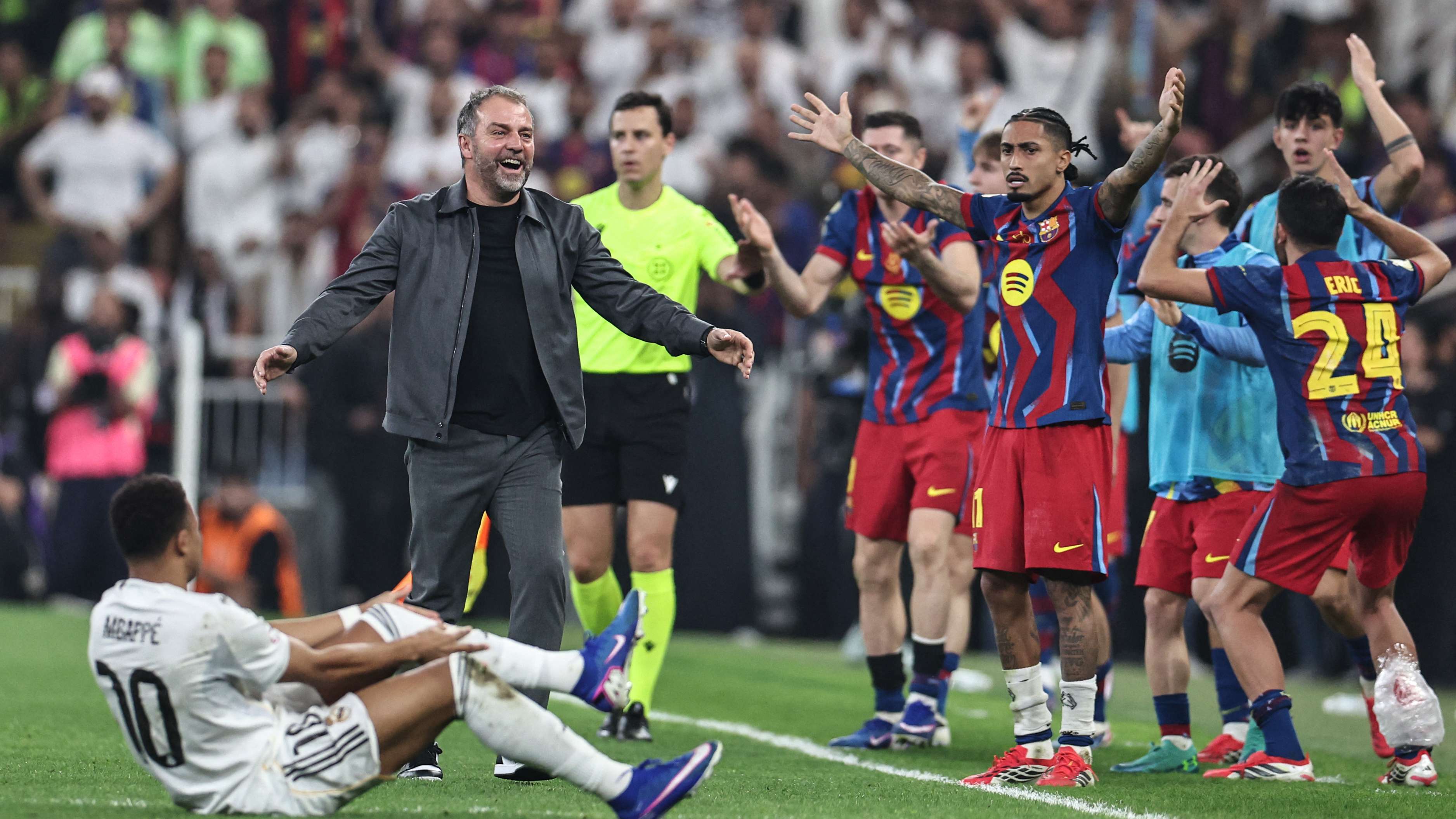
The upcoming Clasico against Barcelona is an early measure of how much progress Mourinho’s methods have produced. Barcelona are leading La Liga and, after nine rounds, hold a six-point advantage over third-placed Madrid. The match will test Madrid’s tactical organisation, attacking chemistry and ability to handle pressure in one of football’s most demanding fixtures.
Any Clasico prediction should account for more than the coaches’ reputations. Barcelona’s league position gives them momentum, while Madrid’s recent adjustments provide reasons for optimism. Mourinho’s experience could help his side manage the occasion, but improved routines and a calmer dressing room will matter only if they translate into disciplined performances on the pitch.
For now, the signs point to a gradual rebuilding process rather than an instant transformation. Mourinho has prioritised information, communication, fitness and clearer daily standards, while allowing time for the squad to absorb his ideas. The Clasico will not decide the season, but it will offer a revealing snapshot of whether Real Madrid’s new approach is beginning to deliver when the stakes are highest.