
Portugal Honour Cristiano Ronaldo With a Lasting Tribute to the Iconic No. 7
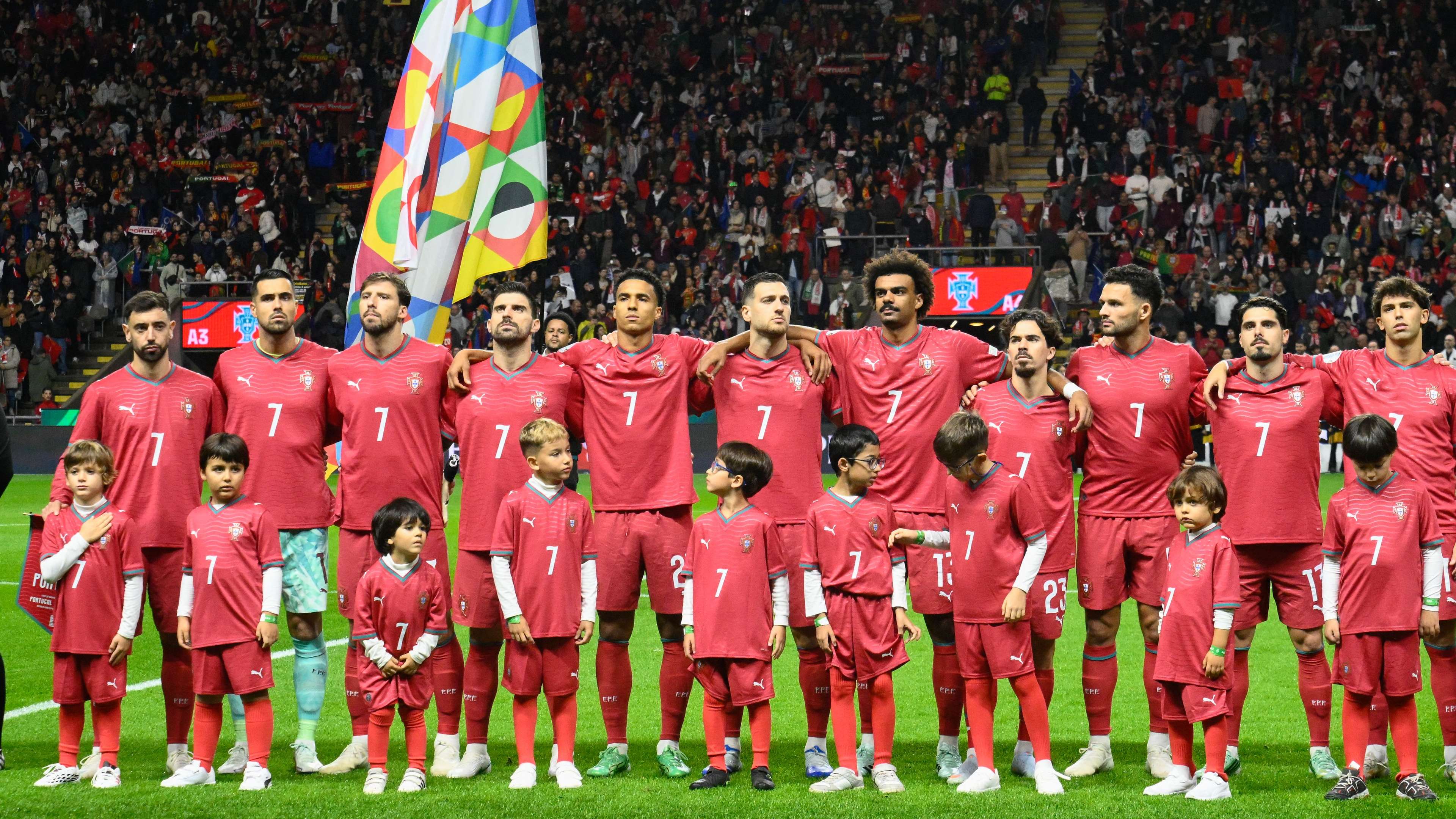
Portugal’s players paid a striking tribute to Cristiano Ronaldo before their UEFA Nations League meeting with Denmark, celebrating the former captain’s extraordinary contribution to the national team. Ahead of kick-off, the squad walked onto the pitch in Braga wearing shirts bearing the number 7 and Ronaldo’s name—a powerful reminder of the legacy attached to one of football’s most famous shirts.
According to Portuguese newspaper Record, the starting players kept the tribute shirts on through the national anthems. Once the referee’s whistle signalled the start of the match, they changed into their regular kits. The gesture was brief, but its message was unmistakable: Ronaldo’s influence on Portugal’s football history will outlast his time on the international stage.
A symbolic change to Portugal’s famous No. 7
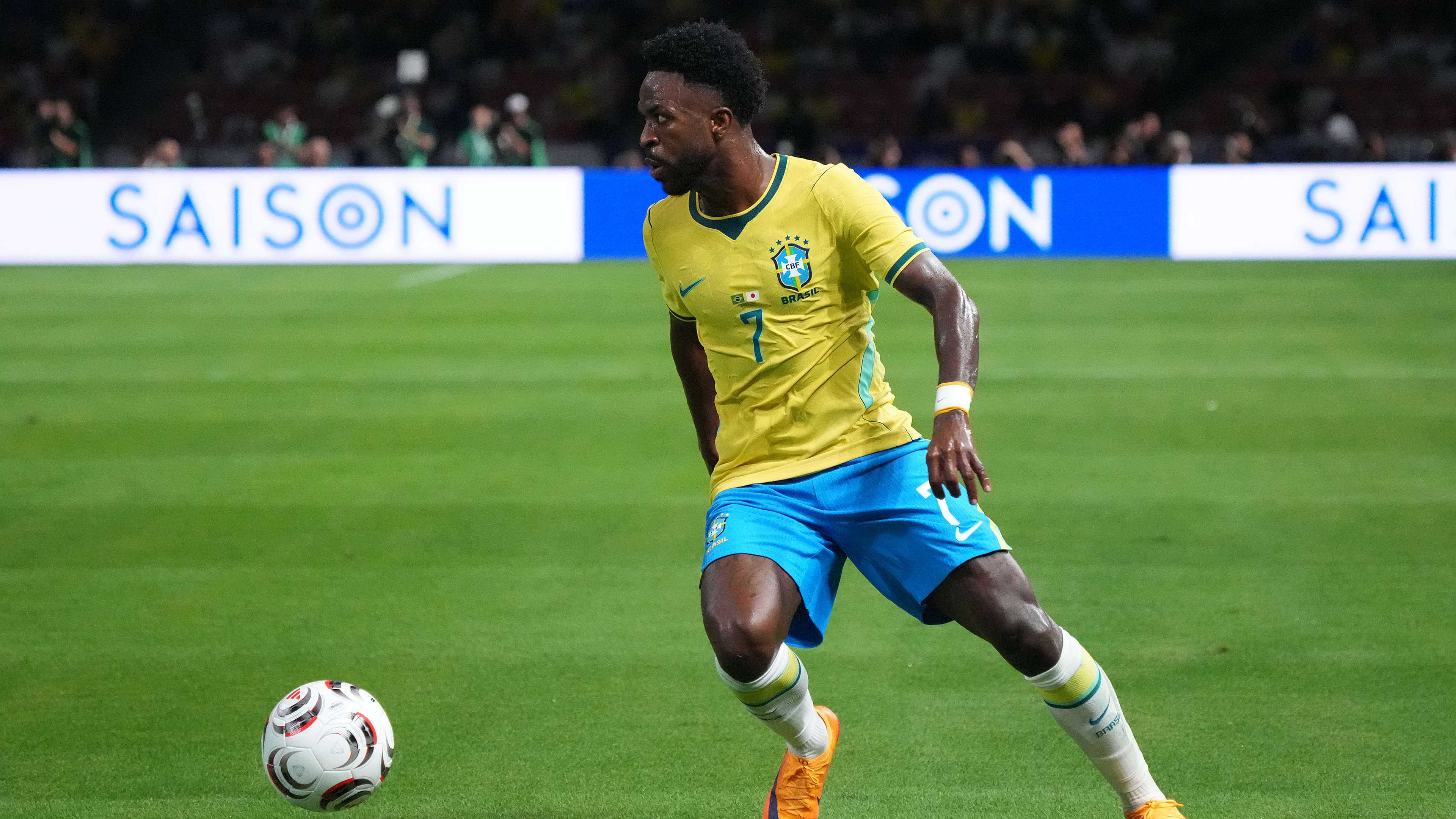
The pre-match tribute accompanied a more permanent design change. Portugal’s national team unveiled a distinctive version of the number 7, adding a horizontal stroke through the figure. The alteration reflects a familiar European way of writing the number, but it also gives the shirt a meaning closely associated with Ronaldo.
The team announced the design on social media with the message: “It is time for a new number 7 to appear, because there is a number that will remain immortal forever.” A goat emoji accompanied the post, referencing the popular “GOAT” label—short for “Greatest of All Time”—often used by supporters to describe the Portuguese star.
The updated design does not prevent another player from wearing the number. Instead, it turns the shirt into a visible link between Portugal’s next generation and the player who made No. 7 a defining part of the national team’s identity. Any successor will inherit not only a squad number, but also the expectations and memories built over two decades.
Ronaldo’s record-breaking international career
Ronaldo’s Portugal career lasted 23 years, spanning 246 appearances and producing 146 goals, according to the figures cited in reports about his retirement. That scoring total established him as the leading goalscorer in men’s international football. His remarkable longevity also meant that he represented Portugal across multiple generations of players, managers and supporters.
For around 20 years of that international career, Ronaldo wore the No. 7 shirt. The number became inseparable from his identity: it appeared on his back during major tournaments, record-breaking performances and some of the most memorable moments in Portuguese football. The tribute in Braga gave the current squad an opportunity to recognise that history before returning their attention to the match.
Ronaldo’s achievements were not limited to individual records. He captained Portugal to the country’s first major international trophy at UEFA Euro 2016, a landmark victory that transformed the national team’s place in European football. Portugal later added UEFA Nations League titles in 2019 and 2025, extending a period of success in which Ronaldo remained a central figure and a symbol of the team’s ambition.
From captain to enduring national-team legacy
Ronaldo announced his international retirement on 5 November, bringing an end to a chapter that began more than two decades earlier. Reports also linked his decision to a dispute involving coach Jorge Jesus. His final appearance for Portugal had come on 24 September, when the team earned a 1–0 home victory over Wales in the Nations League.
His departure leaves Portugal facing a familiar challenge for any successful national side: how to move forward after a defining player steps away. The team must now build its attack and leadership around a new mix of experienced internationals and emerging talent. Whoever takes the No. 7 shirt will be judged on their own performances, but comparisons with Ronaldo are likely to follow.
That pressure can be difficult for a successor, yet the redesigned shirt offers a useful distinction. It honours the past without suggesting that Portugal’s future must reproduce it. Ronaldo’s records set a remarkable standard, but the next player to wear the number will have the chance to create a separate story—one shaped by a different generation and a changing style of football.
What the tribute means for Portugal’s next chapter
Portugal’s gesture also shows how national teams can preserve sporting history in ways supporters can immediately recognise. A shirt number is a simple piece of kit, but over time it can become a shorthand for a player’s character, achievements and connection with the public. In Ronaldo’s case, No. 7 represents goals, leadership, trophies and an era in which Portugal became a consistent contender on the international stage.
For fans, the tribute provides a moment to celebrate a career while acknowledging that the team must continue without its former captain. For the players, it offers a reminder that wearing Portugal’s colours carries responsibilities beyond the pitch: each generation inherits a history and adds to it through its own performances.
As Portugal’s Nations League campaign continues, attention will turn back to results, tactics and selection. Supporters will also be watching to see who eventually claims the famous number and how the team adapts to life after Ronaldo. Any football prediction about Portugal’s future must account for both sides of that transition: the challenge of replacing an all-time great and the strength of a squad that has already achieved success beyond one individual.
The tribute in Braga captured that balance. Ronaldo’s international career has ended, but his place in Portugal’s football story remains secure. The new No. 7 design makes that point in a single detail—while leaving the next chapter open for the players who follow.