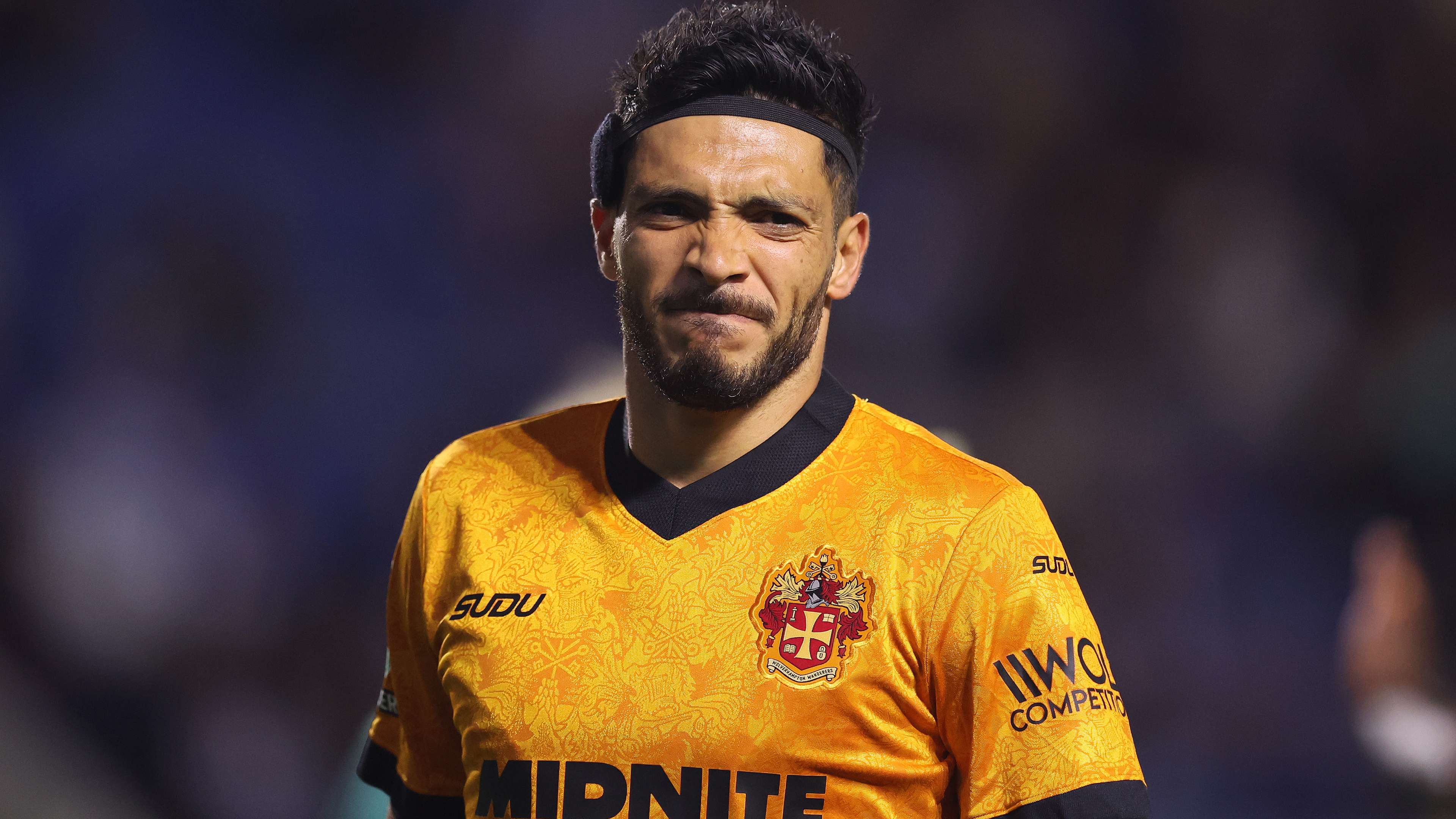

Raúl Jiménez Injury: Wolves and Mexico Face a Major Forward Setback
Wolverhampton Wanderers and Mexico have been dealt a significant blow after veteran striker Raúl Jiménez was ruled out until the New Year. The 35-year-old forward is expected to undergo corrective surgery this week, following a persistent knee problem that has not improved with rest and treatment over the past month.
The timing is particularly difficult for both club and country. Wolves must plan without one of their most experienced attacking players during a demanding stretch of the football calendar, while Mexico will lose a familiar presence as the national side prepares for its upcoming commitments. Jiménez’s absence could reshape attacking plans, create opportunities for other forwards and influence expectations around both teams.
Why Jiménez Needs Surgery
Jiménez’s knee issue has continued to trouble him despite a month of efforts to manage it without an operation. With the problem failing to settle naturally, surgery has been identified as the next step. The procedure is intended to address the underlying issue and give the forward a clearer route toward recovery, although the precise timetable will depend on how he responds after the operation.
For an experienced player, the decision to undergo surgery is rarely taken lightly. Clubs and medical teams typically weigh the risks of continuing to play through discomfort against the benefits of resolving the problem properly. In Jiménez’s case, the persistent nature of the knee complaint appears to have made a more definitive intervention necessary.
Being sidelined until the New Year means he is expected to miss a substantial run of fixtures. That estimate should be treated as a broad recovery window rather than a guaranteed return date: rehabilitation after knee surgery can vary, and medical staff will likely assess his progress in stages before he resumes full training and match action.
What the Injury Means for Wolverhampton Wanderers
For Wolves, Jiménez’s absence removes more than a potential source of goals. His experience, movement and ability to occupy defenders can help create space for teammates, while his presence offers the side a different option in the final third. A forward who can link play, compete for aerial balls and bring others into attacks gives a team valuable tactical flexibility.
Without him, Wolves may need to adjust how they build their attacks. The coaching staff could turn to another central striker, use a more mobile forward, or alter the shape to distribute the scoring responsibility across several players. The best solution will depend on the available squad and the opponents Wolves face, but the change is likely to require more than a simple like-for-like replacement.
Jiménez’s absence may also increase the importance of service from wide areas and midfield. If Wolves lack a forward with the same physical profile, they could seek quicker combinations, more runs behind the opposition defence or additional support arriving from deeper positions. Those adjustments can bring fresh energy, but they may also take time to become effective.
A chance for other Wolves forwards
Injuries can create opportunities for players who have been waiting for a larger role. Wolves’ other attacking options may now receive extra minutes and a chance to demonstrate that they can handle the demands of regular first-team football. Competition for the starting position could sharpen performances, though the team will need consistency while Jiménez is unavailable.
Supporters will be watching for signs of how Wolves adapt in the coming fixtures. A strong response could limit the impact of the setback; difficulties in replacing Jiménez’s contribution could make the absence more noticeable as the season progresses. Any football prediction about Wolves’ attacking output should therefore account for the change in personnel, as well as the team’s form, tactical approach and the quality of upcoming opposition.
Mexico Also Loses a Proven International Forward
The injury is equally significant for Mexico. Jiménez has long been a recognisable figure in the national setup, bringing international experience and a record of performing under pressure. His absence leaves the coaching staff with another selection decision and may prompt a closer look at younger strikers or players whose roles have previously been more limited.
Replacing a veteran forward involves more than finding someone to occupy the same position. Jiménez’s experience can help guide teammates through difficult moments, while his understanding of international football offers a different kind of value from raw pace or finishing ability. Mexico may need to share those responsibilities among several players rather than expect one replacement to reproduce every part of his game.
The situation could also influence Mexico’s attacking structure. Depending on the squad available, the team might choose a more mobile front line, rely on wide forwards to contribute goals, or give a less experienced centre-forward a greater opportunity. That could benefit the side in the long term, but it also brings uncertainty during a period when results and preparation matter.
Recovery, Rehabilitation and the Road Back
After surgery, Jiménez is expected to follow a monitored rehabilitation programme. The early stages are generally focused on recovery from the procedure and restoring comfortable movement. Later work can gradually introduce strength exercises, running and football-specific drills before a player is considered for full training.
Returning to competition will depend on medical assessments rather than the calendar alone. A player must be able to move confidently, handle the physical demands of training and respond well to increased workload. For a forward, that includes sharp changes of direction, acceleration, contact with defenders and repeated actions in the penalty area. Rushing those steps could risk aggravating the problem, so a cautious approach is likely to be important.
Wolves and Mexico will both hope the operation resolves the knee issue and allows Jiménez to return in good condition. For now, however, the priority is a successful procedure and steady progress through rehabilitation—not setting expectations around an exact comeback match.
What to Watch in the Coming Weeks
The immediate focus will be on updates from Wolves regarding the operation and Jiménez’s early recovery. Supporters will also be keen to see which forwards step into the additional minutes and whether the team changes its approach in his absence. For Mexico, attention will turn to squad selection and how the coaching staff reshapes its options up front.
Jiménez’s injury is a major setback for both sides, but it also presents a test of squad depth and tactical adaptability. Wolves must find ways to maintain their threat without a seasoned striker, while Mexico will need to balance experience with the opportunity to assess emerging attacking talent. The coming months will reveal how effectively each team responds—and whether Jiménez can return around the New Year ready to make an impact again.