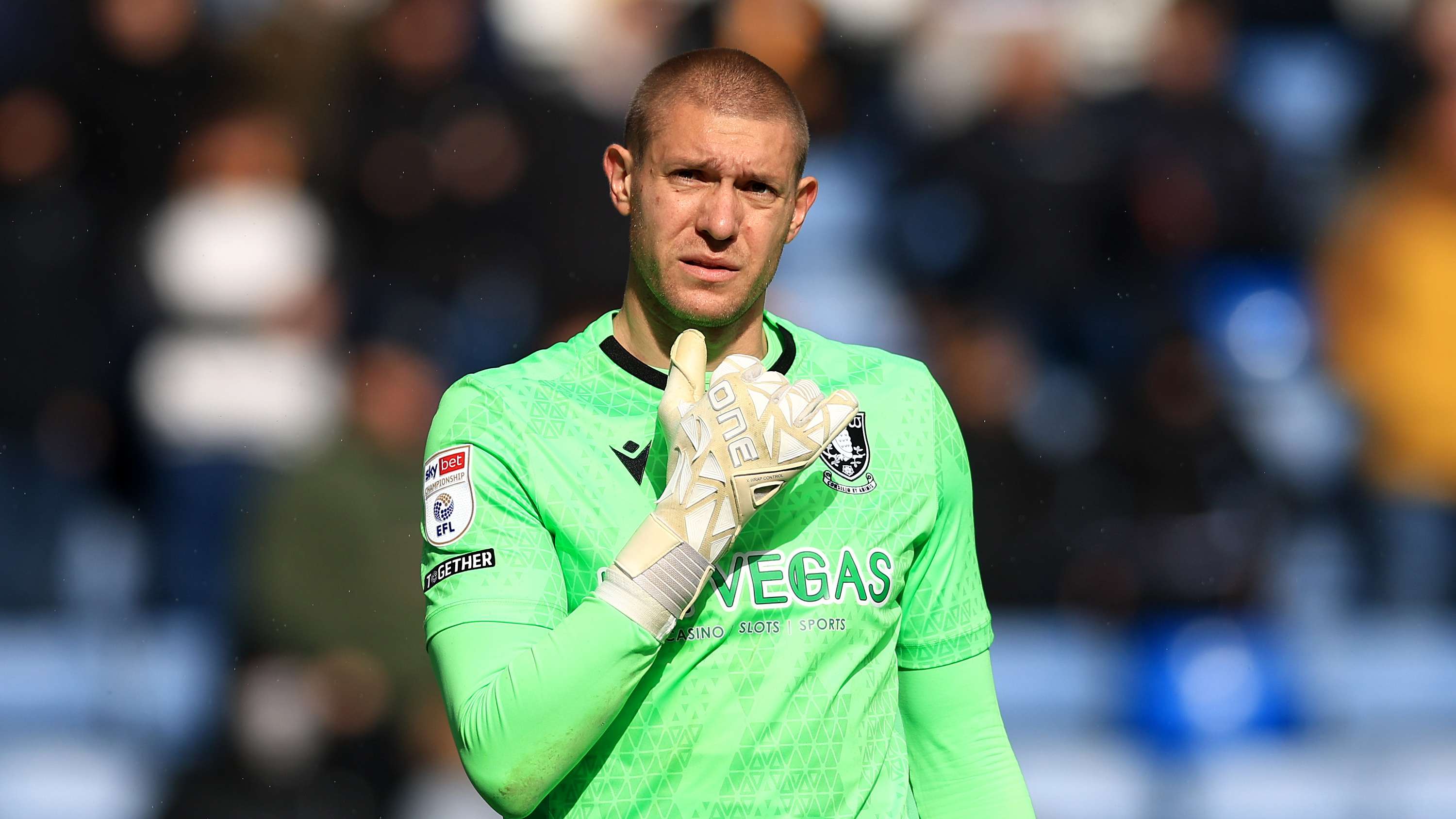


Athletic Club Captain Inaki Williams Criticizes Spanish Super Cup Decision
The captain of Athletic Club, Inaki Williams, has expressed his strong disapproval of the decision to hold the Spanish Super Cup in Saudi Arabia once again. The tournament is scheduled to take place in the Middle East in January, with Athletic set to face off against defending La Liga champions Barcelona in the semi-finals.
Controversy Surrounding the Spanish Super Cup
Williams has joined the chorus of voices criticizing the move to host the prestigious tournament in Saudi Arabia. The decision has sparked controversy and debate among football fans and players alike. Many have raised concerns about the appropriateness of holding such a significant event in a country with a poor human rights record.
The Spanish Super Cup has traditionally been played in Spain, but in recent years, the Spanish Football Federation has opted to take the competition overseas in a bid to increase its global appeal. However, the decision to host the tournament in Saudi Arabia has faced backlash from those who believe that football should not be used to legitimize regimes with questionable human rights practices.
Athletic Club’s Semi-Final Matchup
Athletic Club’s participation in the Spanish Super Cup will see them face a tough challenge in the form of Barcelona, the reigning La Liga champions. The winner of this highly anticipated match will go on to compete against either Real Madrid or Atletico in the final.
For Athletic Club, the Spanish Super Cup presents an opportunity to claim the first major trophy of the current season. The team will be looking to make a statement by defeating Barcelona and advancing to the final, where they will have a chance to compete for silverware against one of Spain’s other top clubs.
Inaki Williams’ Stance
Inaki Williams, as the captain of Athletic Club, has taken a firm stance against the decision to host the Spanish Super Cup in Saudi Arabia. The forward has expressed his disappointment with the choice of venue and has called for a reevaluation of the tournament’s location in future editions.
Williams’ criticism of the Spanish Super Cup’s location highlights the growing concern among players about the use of football as a tool for political or financial gain. The captain’s outspokenness on this issue has resonated with many fans who share his concerns about the ethics of holding major sporting events in countries with controversial human rights records.
As the controversy surrounding the Spanish Super Cup continues to unfold, the focus remains on the upcoming matches and the potential impact of hosting the tournament in Saudi Arabia. With Athletic Club set to face off against Barcelona in the semi-finals, all eyes will be on the players as they strive to secure a place in the final and compete for the coveted trophy.
Impact of Hosting Major Football Events in Controversial Locations
The decision to host the Spanish Super Cup in Saudi Arabia is just one example of the trend of major football events being held in politically contentious locations. This raises important questions about the ethical implications of using sports as a platform in countries with questionable human rights records. The controversy surrounding the Spanish Super Cup reflects a broader debate within the football community about the balance between sporting excellence and political considerations.
Players like Inaki Williams play a crucial role in bringing attention to these issues and using their platform to advocate for change. By speaking out against the decision to hold the tournament in Saudi Arabia, Williams is highlighting the need for greater accountability and transparency in the selection of event locations. This underscores the power of athletes to influence important conversations beyond the football pitch.
The Role of Football in Addressing Human Rights Concerns
Football, as one of the most popular and influential sports in the world, has the potential to drive positive change and promote human rights. As players, clubs, and governing bodies navigate the complexities of hosting international competitions, they must consider the broader impact of their decisions. By engaging in conversations about human rights and advocating for ethical practices, football stakeholders can contribute to a more just and inclusive sporting environment.
Inaki Williams’ criticism of the Spanish Super Cup’s location serves as a reminder of the importance of upholding ethical standards in sports. As fans and stakeholders continue to reflect on the implications of holding major football events in controversial locations, the conversation around the intersection of sports and politics will only intensify. This ongoing dialogue has the potential to shape the future of football and influence decision-making at all levels of the sport.
Evaluating the Long-Term Implications of Venue Selection in Football
As football continues to expand its global reach and appeal, the issue of venue selection for major events will remain a topic of discussion. The controversy surrounding the Spanish Super Cup underscores the need for greater transparency and accountability in the decision-making process. By considering the human rights implications of hosting tournaments in certain locations, football can uphold its values of inclusivity and respect for all individuals.
In the case of the Spanish Super Cup, the debate over the choice of Saudi Arabia as the host country reflects broader concerns about the role of sports in society. As players like Inaki Williams raise their voices and advocate for change, they contribute to a more nuanced understanding of the complexities involved in organizing international competitions. Moving forward, it will be essential for football stakeholders to engage in constructive dialogue and work towards solutions that align with the sport’s core principles.
In conclusion, the controversy surrounding the Spanish Super Cup’s location in Saudi Arabia has sparked important conversations about the intersection of sports, politics, and human rights. As players like Inaki Williams continue to advocate for ethical practices in football, the sport has the potential to become a force for positive change and social impact. By addressing these complex issues with transparency and integrity, football can uphold its values and promote a more inclusive and responsible sporting environment.