
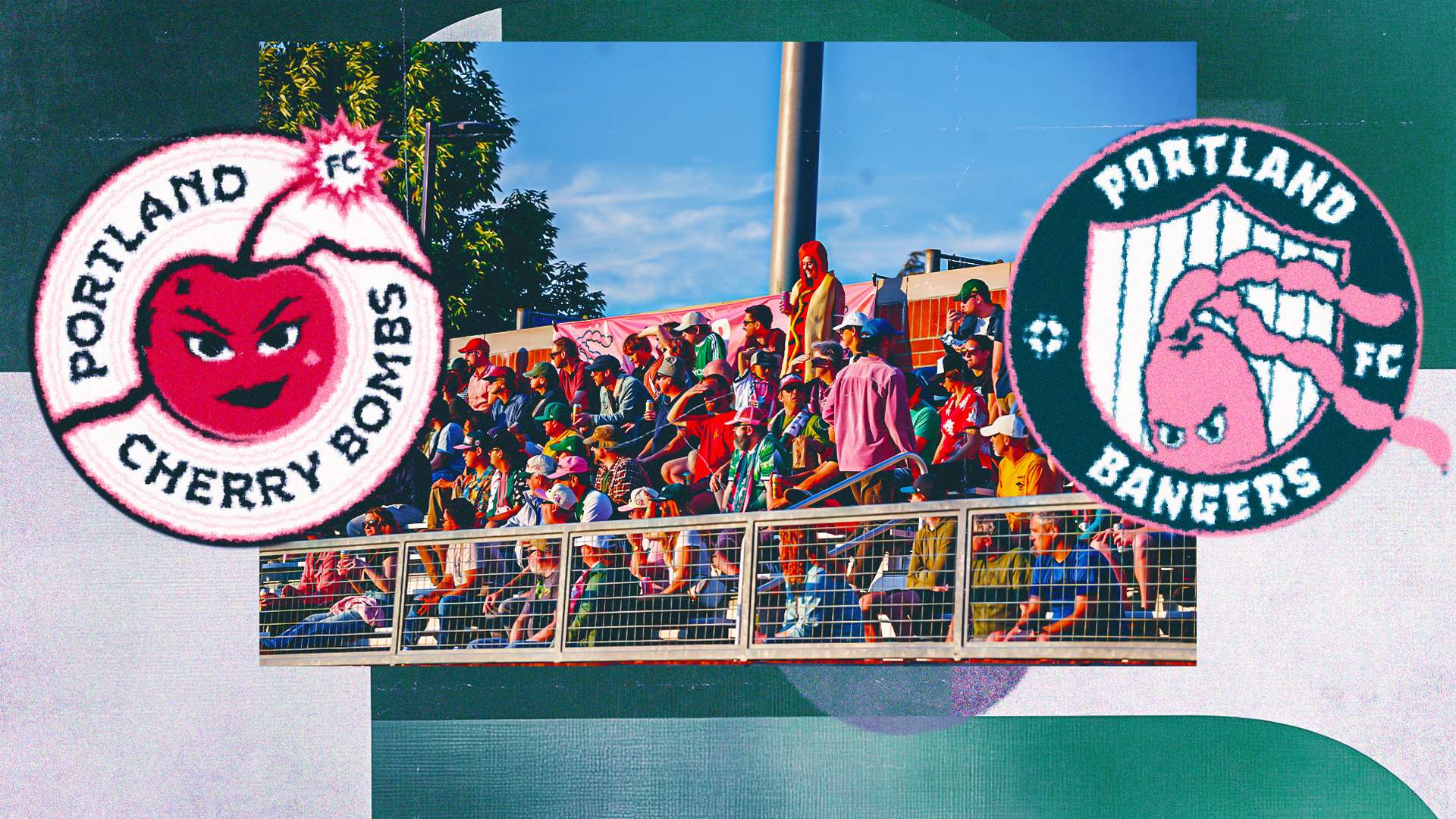

USL Owner Uses Bold Branding to Build Community
Alan Miller, an owner of four teams including two soccer clubs, is taking a unique approach to sports ownership and management by prioritizing bold branding to build community and reimagine what a soccer club can be. Miller’s unconventional strategy revolves around placing imagery and branding at the forefront of his organizations, viewing it as a crucial aspect of competition alongside on-field performance.
A New Perspective on Sports Ownership
Miller’s office is adorned with posters created by his teams over the years, serving as a visual reminder of past achievements and a source of inspiration for future endeavors. While some may find his approach unusual, Miller believes that in a market dominated by Major League Soccer (MLS) and the National Women’s Soccer League (NWSL), establishing a strong visual identity is essential to stand out.
As the co-founder of the USL League Two’s Portland Bangers and the newly established USL W-League’s Portland Cherry Bombs, Miller places a strong emphasis on the aesthetics of his teams. The result is two USL brands in Oregon that are both unconventional and captivating, designed to attract attention and engage with audiences in a unique way.
Redefining Success in Sports
While winning games remains a priority for Miller, he believes that creating a memorable brand, challenging traditional norms, and inspiring fans are equally important aspects of running a successful sports organization. By focusing on building a strong visual identity and establishing a connection with the community, Miller aims to create a lasting impact beyond the confines of the playing field.
According to Miller, the key to building a successful soccer club is to show genuine care and passion for the sport, as well as for the fans who support the team. By prioritizing the fan experience and creating a unique atmosphere around his teams, Miller hopes to foster a sense of community and engagement that extends far beyond the results of any single game.
Embracing Uniqueness and Creativity
Miller’s unconventional approach to sports ownership challenges the traditional expectations of what a soccer club should be. By embracing strangeness, creativity, and bold branding, he is redefining the way fans interact with and support their local teams. For Miller, the true measure of success lies not only in victories on the field, but also in the lasting impact and connection forged with the community.
As the landscape of sports continues to evolve, Alan Miller’s innovative approach serves as a reminder that success in soccer goes beyond the scoreline. By prioritizing community engagement, creativity, and bold branding, Miller is paving the way for a new era of sports ownership that values authenticity, passion, and connection above all else.
Keywords: football, prediction, USL, soccer club, sports ownership, branding
The Power of Bold Branding in Sports
Alan Miller’s emphasis on bold branding in sports ownership is a strategic move that goes beyond just visual appeal. In a saturated market like professional sports, where teams are vying for attention and support, a strong brand identity can be a powerful differentiator. By prioritizing unique visuals and captivating designs, Miller is not only attracting fans but also creating a sense of belonging and loyalty among them.
One of the key advantages of bold branding is its ability to spark conversations and create a buzz around the team. When a soccer club stands out visually, it becomes a topic of discussion among fans, media, and even casual observers. This increased visibility can lead to a larger fan base, more engagement on social media, and ultimately, a stronger presence in the community.
The Role of Predictive Analytics in Sports
While branding plays a significant role in shaping a team’s identity, another crucial aspect of sports management is predictive analytics. In a fast-paced and competitive environment like professional sports, having the ability to predict outcomes can give a team a strategic advantage. By leveraging data and analytics, sports organizations can make informed decisions on player recruitment, game strategies, and fan engagement.
Predictive analytics can help teams forecast player performance, predict game outcomes, and even anticipate fan behavior. By analyzing past data and trends, sports organizations can identify patterns that can influence their decisions and improve their overall performance. This data-driven approach is becoming increasingly popular in sports management, allowing teams to stay ahead of the curve and make smart, strategic decisions.
The Evolution of Soccer Clubs in the USL
As the United Soccer League (USL) continues to grow and expand, soccer clubs like the Portland Bangers and the Portland Cherry Bombs are redefining what it means to be a professional sports team. In addition to prioritizing bold branding and community engagement, these clubs are also pushing boundaries in terms of inclusivity, diversity, and innovation.
With the establishment of the USL W-League, a women’s soccer league that aims to provide a platform for female athletes to showcase their talent, Miller’s Portland Cherry Bombs are at the forefront of promoting gender equality and diversity in sports. By creating opportunities for women in soccer and empowering them to pursue their passion, the Cherry Bombs are setting a new standard for inclusivity in the sports industry.
The Impact of Community Engagement in Sports
While on-field performance is crucial for the success of a sports team, community engagement plays a vital role in sustaining the team’s presence and relevance. By connecting with fans, involving them in decision-making processes, and creating a sense of belonging, sports organizations can build a loyal and dedicated fan base that will support the team through thick and thin.
Community engagement initiatives like fan events, youth programs, and charity partnerships not only strengthen the bond between the team and its supporters but also contribute to the overall well-being of the community. By giving back and engaging with the local population, sports organizations can make a meaningful impact beyond the realm of sports, becoming a source of inspiration and positivity for their fans.
Conclusion
Alan Miller’s innovative approach to sports ownership through bold branding, predictive analytics, and community engagement is reshaping the landscape of professional sports. By placing emphasis on creativity, authenticity, and connection, Miller is setting a new standard for sports management that goes beyond wins and losses. As other sports organizations look to follow in his footsteps, the future of sports ownership is bound to be more dynamic, inclusive, and engaging for fans and communities alike.
Keywords: football, prediction, USL, soccer club, sports ownership, branding
