
Is Simone Inzaghi Limiting Ruben Neves’ Influence at Al Hilal?
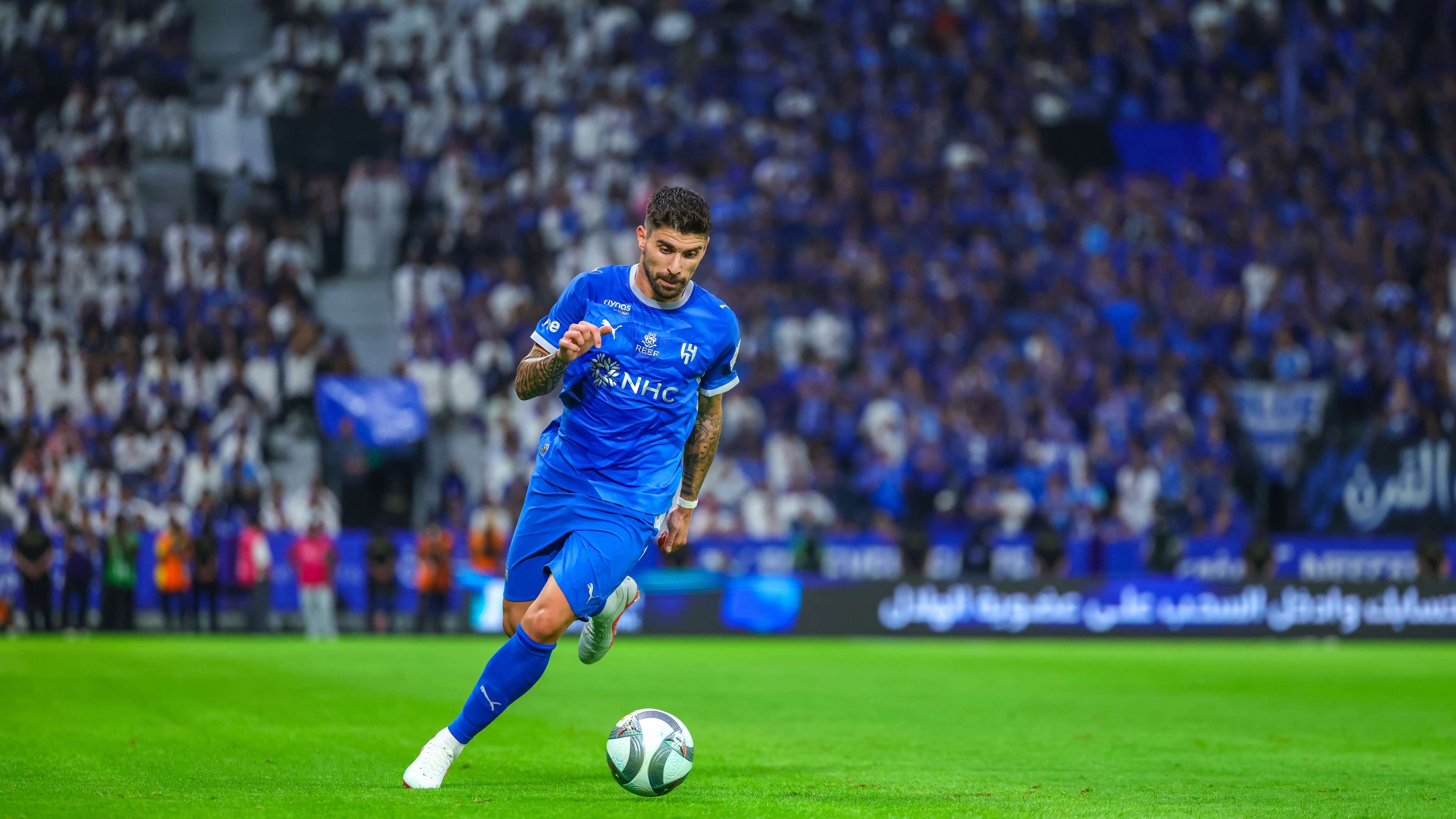
Al Hilal have a midfielder built to shape matches: Ruben Neves can dictate the tempo, switch play with precision and pick out passes that split defensive lines. Yet the Portugal international’s role under Italian coach Simone Inzaghi has prompted a debate among supporters and observers. Is the Saudi Pro League side getting the full benefit of one of its most gifted footballers—or is Neves being asked to do too much work away from his strongest position?
Neves has continued to produce impressive performances since Inzaghi took charge. His quality on the ball and composure under pressure remain clear. The question is not whether he can adapt to different assignments, but whether moving him around the pitch makes the best use of his particular strengths. For a team that often wants to dominate possession and create chances, the answer could have a significant effect on Al Hilal’s attacking rhythm.
Neves’ Best Qualities Come from the Base of Midfield
Neves is at his most influential when he operates as a holding midfielder, receiving the ball in front of the defence and directing the next phase of play. From that position, he can offer a safe passing option, help Al Hilal escape pressure and quickly move possession towards more advanced teammates.
His range of distribution is central to his value. He can keep the ball moving with short, measured passes, but he is also capable of changing the angle of an attack with a longer delivery. When opponents crowd one side of the pitch, a well-timed switch can create space for Al Hilal’s wide players. When the opposition leaves a gap between its midfield and defence, Neves can attempt the forward pass that turns possession into a genuine scoring opportunity.
That combination of control and creativity makes him more than a defensive screen. A holding midfielder with Neves’ vision can influence how often a team reaches the final third, how quickly it attacks and how effectively it responds when opponents press high. Keeping him near the centre of the pitch may therefore help Al Hilal connect their defensive structure to their attacking players.
Why Is Inzaghi Using Him in Different Roles?
Inzaghi’s decisions may reflect the practical demands of building from the back. If Al Hilal are struggling to progress the ball through their defenders, dropping Neves into the back line can provide an extra passing option and help the team begin attacks with greater composure. It may also offer a temporary solution when injuries, suspensions or tactical match-ups create problems in defence.
There can be advantages to the approach. Neves is comfortable receiving possession under pressure, and his passing ability can help Al Hilal move the ball out of their own half. A deeper position might also allow him to see more of the pitch and launch attacks early, particularly against opponents who leave space behind their midfield.
But a tactical adjustment has a cost. When Neves moves into defence, Al Hilal lose a natural organiser in the central midfield area. The team may still be able to circulate the ball, but it can become harder to control the space between the lines or deliver passes into advanced positions. If another player does not take on those responsibilities, the side risks leaving its most creative deep-lying midfielder too far from the areas where he can shape possession.
The Balance Between Defensive Cover and Creative Control
Football tactics rarely offer a simple choice between attack and defence. A coach must consider the opponent, the players available and the risks involved in each phase. Inzaghi may be using Neves deeper to protect the team or improve its first pass. However, the longer-term question is whether that arrangement solves one problem while creating another.
If Al Hilal need help progressing the ball, Neves can still contribute without being stationed permanently in the back line. The team could build with a defender stepping into midfield, or use a structured rotation in which Neves drops deep only when the situation demands it. That would allow him to help the defence while returning to the central area once possession is established.
Another option is to give Neves a clearly defined holding role alongside a partner who can cover ground and support the press. Such a partnership could free him to focus on positioning, distribution and breaking opposition lines. The right balance would depend on the opponent, but the aim would be to preserve his influence without leaving the defence exposed.
What His Role Could Mean for Al Hilal’s Attack
Neves’ positioning affects more than the midfield. When he is available centrally, Al Hilal’s attacking players can receive the ball earlier and in better positions. A midfielder who can pass through pressure gives forwards and wingers more chances to turn toward goal rather than collecting possession with their backs to the defence.
That can be especially important against compact opponents. Teams that defend deep often try to close the middle and force their rivals into predictable passes out wide. Neves’ ability to find narrow passing lanes could help Al Hilal move defenders out of position, create space around the penalty area and improve the quality of their chances.
His contribution also matters when Al Hilal lose possession. A midfielder positioned centrally can help the team counter-press, protect the defence and prevent opponents from launching quick attacks. If Neves is too deep, the side may lack an immediate presence in the middle; if he is pushed too far forward, it may lose its first line of protection. Inzaghi’s challenge is to find the position that allows Neves to influence both phases.
Prediction: Neves Could Become More Central to Inzaghi’s Plans
The most likely solution may not be a rigid return to one position in every match. Modern football relies on movement and rotations, and Neves has the technical ability to contribute from different areas. But Al Hilal are likely to benefit most when his role consistently brings him into the centre of the pitch, where he can control possession and connect defence with attack.
In the coming fixtures, his positioning will be worth watching. If Inzaghi continues to use him in deeper defensive roles, the coach may need another midfielder to assume responsibility for progression and chance creation. If Neves is restored as the principal holding midfielder, Al Hilal could gain greater rhythm and make better use of his passing range.
Ultimately, the debate is less about whether Neves can perform multiple jobs and more about where his qualities have the greatest impact. He has shown that he can remain effective under changing instructions, but Al Hilal’s biggest gains may come from building the team around his ability to dictate play. Inzaghi’s tactical choices will determine whether the Portuguese star is simply helping the structure—or actively setting the tempo for the entire side.