
Real Madrid’s 4-1 Sevilla Win Overshadowed by Arda Güler VAR Controversy
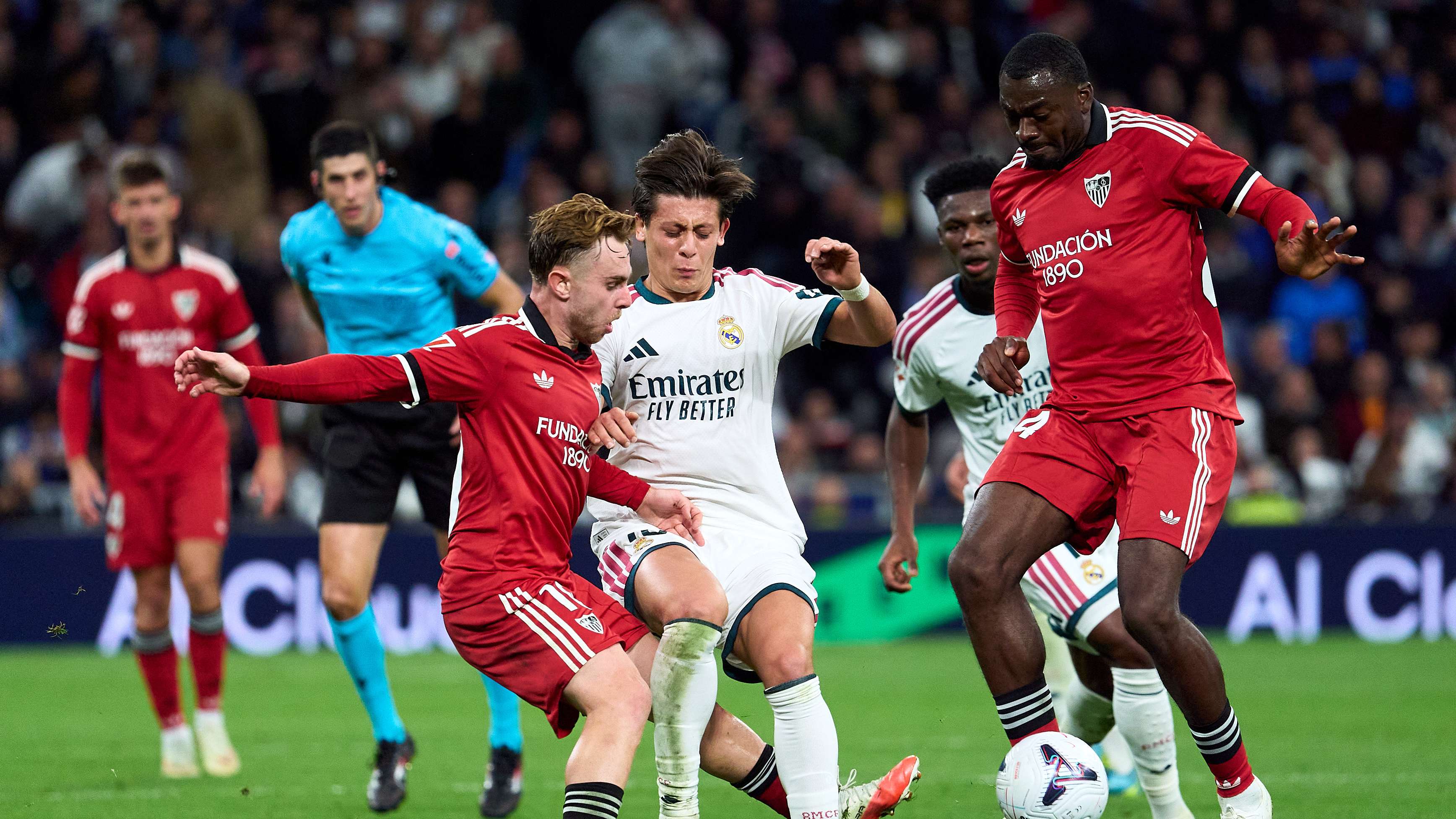
Real Madrid delivered an emphatic 4-1 victory over Sevilla at the Santiago Bernabéu, but the result was not the only talking point. A disputed first-half incident involving Arda Güler reignited criticism of Spanish football’s officiating and VAR system, leaving players, supporters and analysts debating whether the Turkish midfielder should have been sent off.
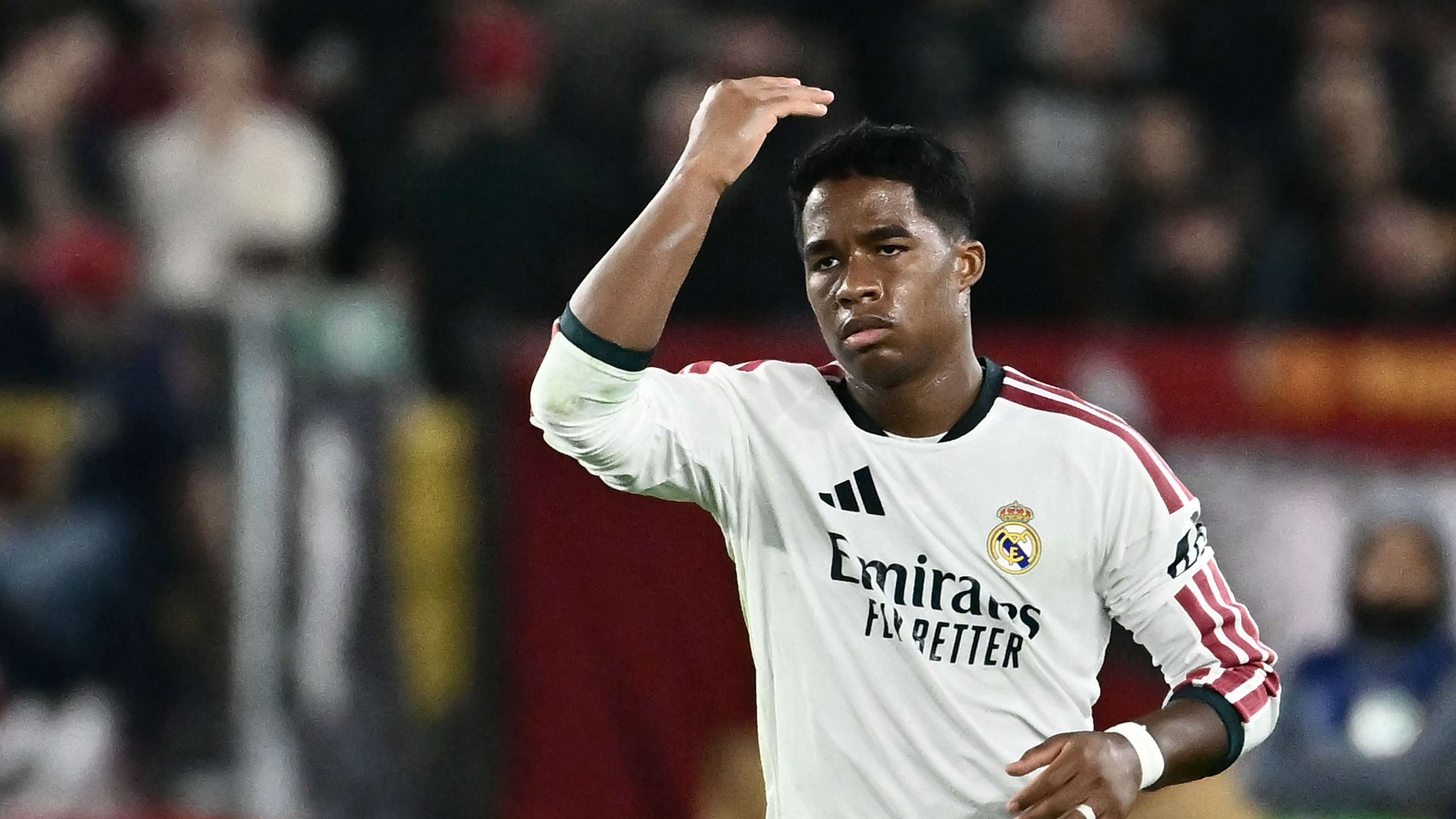
The controversy arrived during a night that otherwise offered plenty for Madrid fans to celebrate. With Vinícius Júnior unavailable through suspension, the hosts had to adjust their attack ahead of a demanding run of fixtures. New signing Diomande was handed a place in the starting lineup and made an immediate impression, scoring a superb goal that lifted the atmosphere inside the Bernabéu.
Güler also continued his strong form, adding a spectacular goal of his own and strengthening his case for a regular starting role. His performance was particularly timely, with a decisive week approaching and the Clásico against Barcelona looming on the horizon. Yet his goal was soon followed by an incident that shifted attention from Madrid’s attacking quality to the quality of the match officials’ evidence.
The Incident That Put VAR Under the Spotlight
During the first half, Güler appeared to make contact with Sevilla player Peque with his elbow. The visiting players and supporters reacted immediately, calling for a red card. The referee, Mateo Busquets Ferrer, paused play while the VAR team reviewed the incident, but the check did not lead to an on-field review at the pitchside monitor.
That decision surprised many viewers. The available television replays appeared to come from distant angles, making it difficult to establish exactly where contact was made, how forceful it was or whether the action was deliberate. Without a clear close-up, the incident remained open to interpretation—and the absence of a definitive image became a central part of the controversy.
VAR is intended to help officials correct clear and obvious errors, especially in potential red-card situations. But the technology can only be as useful as the footage available to the review team. In this case, the debate was not simply about whether Güler’s action deserved a dismissal. It was also about whether the officials had enough visual evidence to make a confident decision.
Refereeing Committee Defends the Review
As criticism grew, Spain’s refereeing technical committee offered an explanation, according to journalist Héctor González on Cadena SER’s Carrusel Canalla. Committee sources reportedly said that VAR uses the same camera feeds as the television broadcast and that the available footage had been examined.
The explanation added that VAR did not intervene because the images did not provide clear, indisputable evidence of violent conduct. In effect, the committee’s position was that the review team could not establish that the incident met the threshold for a red card.
That response addressed the reason for the decision, but it did not settle the wider concern. If the footage available to officials was as unclear as the images seen by the public, critics argued, the incident demonstrated a weakness in the system’s coverage. A major stadium and a high-profile match do not automatically guarantee that every important moment will be captured from the angle needed to assess it properly.
Iturralde González Questions the Quality of the Images
Former referee and officiating analyst Iturralde González was among the most vocal critics. Speaking on Carrusel Deportivo, he said the footage did not allow him to determine whether Güler struck Peque in the face or how much force was involved.
His assessment highlighted why the location and intensity of contact matter. If the contact was to the chest and involved no excessive force, he suggested, a yellow card could be appropriate. Contact to the face, however, could carry a different disciplinary consequence if the action was sufficiently serious. Without a clear view, the distinction between those possibilities is difficult to make.
Iturralde also stressed the importance of support for the referee on the field. The assistant referee and fourth official, he argued, should help monitor areas outside the referee’s line of sight. No referee can see every angle during a fast-moving football match, which makes communication among the officials essential—particularly when a possible act of violent conduct is being assessed.
His strongest criticism was aimed at the production and camera coverage. He described the images as inadequate and questioned how a potential assault in a stadium as prominent as the Bernabéu could be reviewed without a clear replay. The comment captured the frustration of viewers who expected VAR to provide certainty but instead saw a decision based on inconclusive footage.
Why the Dispute Matters Beyond One Match
The Güler incident is unlikely to change the result: Real Madrid won 4-1, with goals from players who helped the side maintain its attacking momentum despite Vinícius’s absence. But the controversy may have a longer life than the scoreline because it raises familiar questions about consistency, transparency and the practical limits of video review.
Supporters often expect VAR to deliver a definitive answer. In reality, the system is designed to assist the referee, not replace judgment altogether. When the video does not clearly show what happened, officials may be reluctant to overturn the original decision. That approach can be consistent with the “clear and obvious” standard, yet still leave fans dissatisfied when the underlying footage is poor.
For Spanish football, the episode adds pressure to consider whether stadium camera coverage is sufficient for key decisions. More angles, clearer replays and better access to footage could help officials distinguish between different types of contact. Clearer public explanations after contentious decisions could also help supporters understand how the rules were applied, even when they disagree with the outcome.
Madrid Look Ahead to a Crucial Week
On the pitch, Madrid will take confidence from a convincing win and the contributions of players stepping into important roles. Diomande’s goal offered an early glimpse of what the new signing might bring, while Güler’s latest performance reinforced his growing influence in the team. His place in the starting lineup will be closely watched as the fixtures become more demanding.
The result also provides a useful platform before Madrid’s next challenges, including a Champions League meeting with Leipzig and the approaching Clásico against Barcelona. Those matches will test the squad’s depth and composure, especially with attention already focused on disciplinary decisions and player availability.
For now, the main prediction is that debate over the Bernabéu incident will continue well after Madrid’s celebrations fade. The 4-1 victory was decisive, but the unclear VAR review left an unresolved question at the heart of the night: when the technology cannot provide a clear picture, how can players, clubs and supporters be confident that justice has been done?