

Manchester United’s Struggles Continue as Ruben Amorim Departs
Manchester United’s ongoing struggle to reclaim their former glory under the shadow of Sir Alex Ferguson’s departure continues as Ruben Amorim becomes the latest casualty in the club’s managerial merry-go-round. The Portuguese tactician, appointed just 14 months ago, failed to meet expectations and has now exited the stage, leaving the Red Devils in turmoil.
False Starts and Poor Decisions
Since Ferguson’s departure 13 years ago, Manchester United has been plagued by a series of false starts and poor decisions that have hindered their progress. Amorim’s brief tenure saw the team suffer their worst-ever Premier League finish and lose a European final to Tottenham, highlighting the depths to which the club has sunk in recent years.
Amorim’s rigid adherence to a 3-4-3 formation ultimately led to his downfall, highlighting a disconnect between his managerial style and the expectations of the club’s hierarchy. The board’s decision to appoint managers who do not align with the club’s traditional values has only exacerbated United’s woes, with Amorim’s departure underscoring the need for a more strategic approach to leadership.
Power Struggles Behind the Scenes
Amorim’s departure also sheds light on the power struggles within the club’s hierarchy, with CEO Omar Berrada and director of football Jason Wilcox now wielding significant influence over footballing operations. The INEOS ownership regime has further complicated matters, raising questions about the club’s ability to compete at the highest level with such a problematic backroom structure.
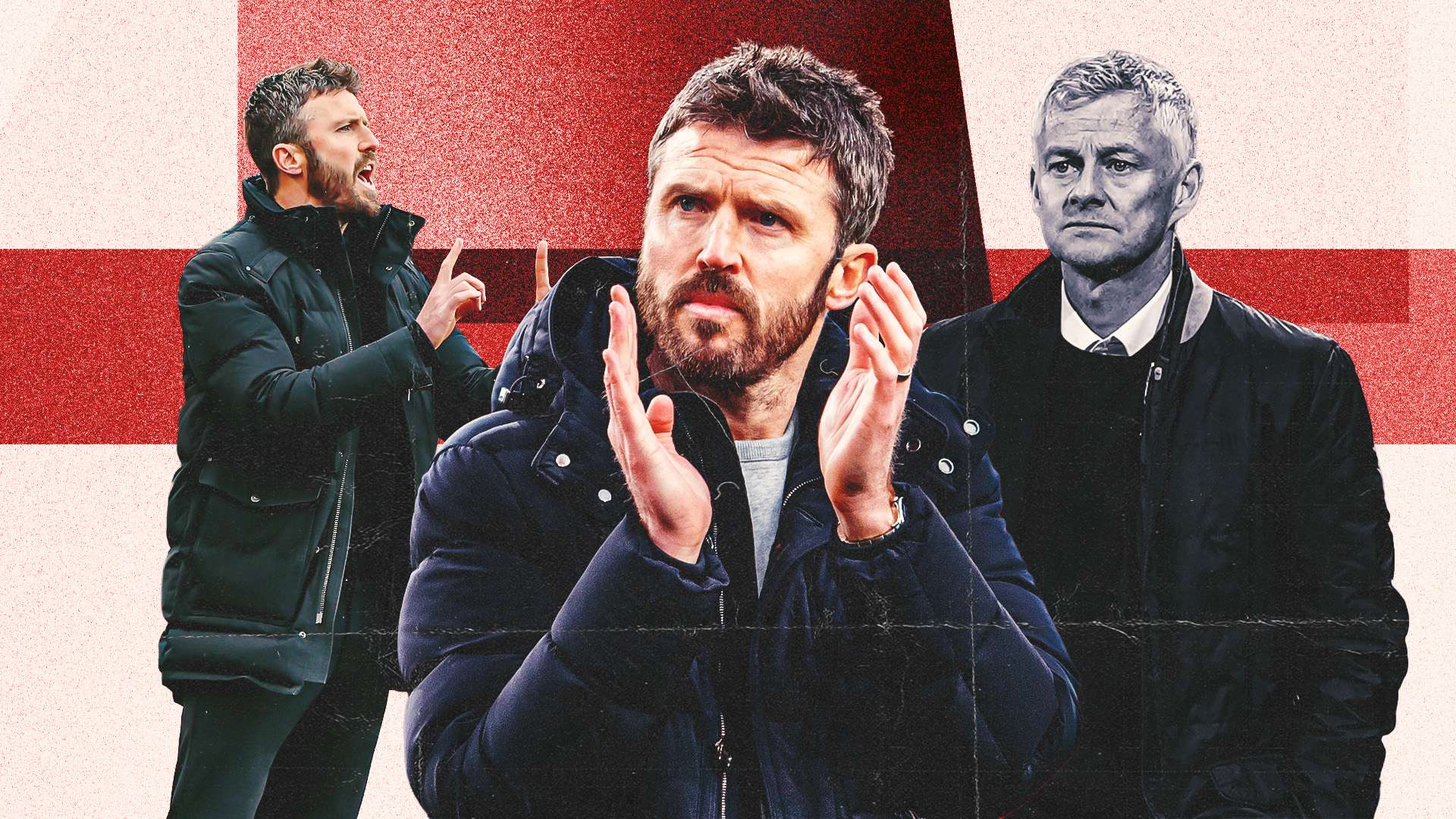
Despite the challenges facing the club, United must now focus on finding a temporary solution to steer them through the remainder of the season. Reports suggest that club legends Ole Gunnar Solskjaer and Michael Carrick were considered for the caretaker role, with Carrick ultimately taking the reins in a bid to lift the cloud of gloom hanging over Old Trafford.
The Road Ahead
As United navigate through another season of disappointment, the search for a permanent successor to Amorim looms large. The next manager will need to navigate the complexities of the club’s internal dynamics and prove their ability to lead United back to the pinnacle of English and European football.
With the clock ticking on Berrada’s ambition to win the Premier League title by 2028, the pressure is on for United to find a manager who can deliver results while also aligning with the club’s values and ambitions. The road ahead may be long and challenging, but with the right leadership in place, Manchester United can once again rise to the top of the footballing world.
Manchester United’s Struggles in Context
Manchester United’s recent struggles cannot be viewed in isolation but must be understood within the broader context of the Premier League landscape. The rise of clubs like Manchester City, Liverpool, and Chelsea has intensified the competition at the top of English football, making it more challenging for traditional powerhouses like United to maintain their dominance.
The influx of foreign investment into rival clubs has also tilted the balance of power in the Premier League, with clubs like City and Chelsea able to outspend United in the transfer market. This financial disparity has made it difficult for United to compete for top talent and build a squad capable of challenging for major honors.
The Evolution of Football Tactics
Amorim’s struggles at Manchester United also highlight the evolving nature of football tactics and the need for managers to adapt to changing trends in the game. The shift towards more fluid formations and high-pressing styles has left traditionalists like Amorim struggling to keep pace with the modern game.
Successful managers like Pep Guardiola and Jurgen Klopp have shown the importance of innovation and flexibility in tactics, constantly tweaking their formations and strategies to exploit weaknesses in the opposition. United must now look for a manager who can embrace these modern trends while also respecting the club’s heritage and traditions.
The Role of Data and Analytics
In an era where data and analytics play an increasingly important role in football, United’s next manager must be able to harness the power of technology to gain a competitive edge. Clubs like Liverpool and City have invested heavily in data analysis and sports science, using advanced metrics to inform their decision-making on and off the pitch.
By integrating data-driven insights into their recruitment, training, and match tactics, United can optimize their performance and improve their chances of success. The next manager will need to have a keen understanding of analytics and a willingness to embrace cutting-edge technology to propel United back to the top.
Predicting the Future
As United navigate through this period of uncertainty, fans and pundits alike are left wondering what the future holds for the club. Will the next manager be able to turn things around and restore United to their former glory, or are more years of struggle and disappointment on the horizon?
Despite the challenges facing the club, one thing is certain – the unpredictability of football means that anything is possible. With the right leadership, a bit of luck, and the unwavering support of their fans, Manchester United can defy the odds and once again become a force to be reckoned with in the footballing world.
Only time will tell if United can rise from the ashes of their current predicament and reclaim their status as one of the most successful clubs in English football history. But one thing is for sure – the journey ahead will be filled with twists and turns, drama and excitement, as United continue their quest for redemption.
