
Analyzing Real Madrid’s Midfield Void: The Impact of Modric and Kroos on Team Dynamics and Football Prediction
Recent developments at Real Madrid have sparked widespread discussion among football enthusiasts, analysts, and fans alike. The departure of midfield maestros Luka Modric and Toni Kroos has not only left a significant void in the club’s tactical setup but also altered the way the team approaches its gameplay, ultimately influencing football predictions for upcoming matches. This shift has raised questions about how Real Madrid can adapt and whether they can restore their previous level of dominance on the pitch.
The Crucial Role of Modric and Kroos in Real Madrid’s Football System
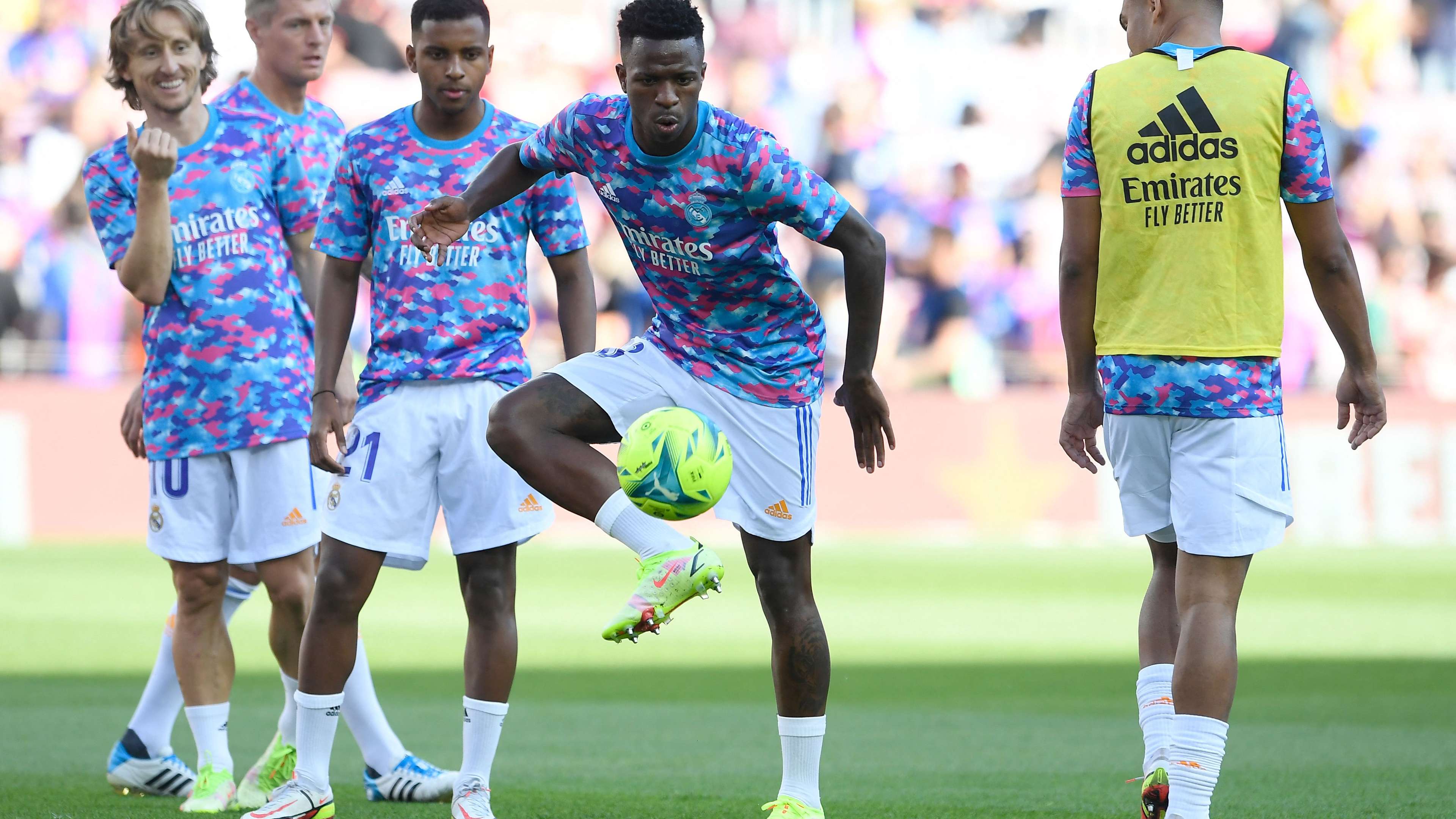
For years, Luka Modric and Toni Kroos were at the heart of Real Madrid’s midfield engine. Their ability to control tempo, distribute precise passes, and read the game created a foundation that allowed the team’s attacking players, particularly winger Vinicius Junior, to flourish. Analysts on the popular radio programme “Bar Cinquè Vlaky” on “Cadena SER” have highlighted how vital these two midfielders were in feeding Vinicius, enabling him to exploit his blistering pace and find optimal spaces on the pitch.
According to Eloy Lizana, a renowned football commentator, Vinicius thrived because he knew he could rely on Modric and Kroos to anticipate his runs and deliver the right ball at the right moment. This symbiotic relationship elevated Vinicius’s influence during matches, making him a constant threat to opponents’ defenses. With their departure, however, the Brazilian winger’s impact has noticeably diminished, prompting questions about the team’s evolving football prediction and tactical stability.
The Current Midfield Crisis and Its Effect on Football Prediction
The loss of Modric and Kroos has exposed vulnerabilities within Real Madrid’s build-up play. Without the intelligent movement and quick, accurate passing that these veterans provided, the team struggles to generate the fluency needed to unlock defenses. As a result, the usual pace and dynamism seen in Madrid’s attacking front are often stifled by a lack of support from the midfield, leading to less effective football predictions for upcoming fixtures.
In recent matches, fans and analysts have observed a noticeable decline in Madrid’s ability to sustain possession and progress the ball smoothly. Pace upfront becomes less effective when the buildup is slow, predictable, or misdirected. The team’s tactical framework seems increasingly mismatched with the needs of modern high-intensity football, which demands quick transitions and precise spatial awareness.
The Challenge for Mourinho: Rebuilding the Midfield System
Jose Mourinho, appointed with the task of revitalizing Madrid’s fortunes, faces an urgent challenge: how to craft a system that replicates the influence of Modric and Kroos. This involves not only integrating new players but also optimizing the roles and positioning within the squad. According to football experts, Mourinho must find a way to give players like Vinicius the same conditions that once allowed him to excel—namely, the support of a playmaking midfield that can unlock defenses and create scoring opportunities.
Player Selection and Tactical Concerns: Guler, Silva, and Ceballos
One of the key issues highlighted by analysts is the current misalignment in player roles. For instance, Arda Guler, a promising talent, is often deployed out of position, which diminishes his influence on matches. Guler’s natural style of play is not being utilized optimally, thereby limiting Madrid’s creative potential from midfield.
Meanwhile, Bernardo Silva, a versatile and technically gifted midfielder, is often left on the bench despite his ability to inject fresh energy into Madrid’s build-up play. His limited minutes raise questions about the tactical choices made by the coaching staff, especially considering the team’s recent struggles with fluency and attacking efficiency. Similarly, Dani Ceballos has seen minimal game time, further contributing to the lack of depth and creativity in midfield.
Many football prediction experts argue that giving Silva a consistent run of matches could significantly improve Madrid’s offensive dynamics. His experience and skill set are precisely what the team needs to bridge the gap left by Modric and Kroos, especially in high-stakes fixtures.
The Summer Transfer Window and Strategic Shortfalls
The summer transfer window was marked by missed opportunities. Real Madrid failed to secure midfield reinforcements such as Rodri or Dominik Szoboszlai, both of whom could have provided immediate solutions to the midfield crisis. The club’s decision not to pursue these targets has left Mourinho and his coaching team scrambling for alternatives, relying heavily on existing squad members who are not ideally suited to the tactical demands of the team.
This strategic shortfall has a direct impact on football predictions, as analysts now question whether Madrid can regain their midfield control and offensive fluency without further reinforcements. The current squad lacks the depth and versatility necessary to compete at the highest level consistently.
The Tactical Assessment: Substitutions and Match Management
During recent key fixtures, critics have pointed out tactical missteps, such as Mourinho’s timing of substitutions. For example, replacing Eduardo Camavinga after the initial substitution period did little to address the team’s issues against Atletico Madrid. The return of Camavinga did not provide the necessary spark or control in midfield, exposing the team’s ongoing vulnerabilities.
Football prediction models suggest that strategic adjustments—such as deploying players in their natural positions and giving key figures like Silva extended runs—are essential for improving performance. The coaching staff must analyze and adapt quickly if Madrid is to restore their competitive edge and improve their prospects in La Liga and European competitions.
Looking Ahead: Restoring Madrid’s Midfield Power and Football Prediction Accuracy
In conclusion, the departure of Luka Modric and Toni Kroos has undeniably impacted Real Madrid’s tactical stability and overall team performance. Their absence has disrupted the delicate balance that once allowed Madrid to dominate possession, create scoring opportunities, and execute precise football predictions. To turn the tide, Mourinho must focus on integrating versatile midfielders like Bernardo Silva and Guler more effectively, while also addressing the strategic gaps left by the veterans.
As Madrid looks to rebuild, fans and analysts will closely watch how the team adapts tactically and personnel-wise. The challenge lies in developing a cohesive system that can compensate for the loss of experience and intelligence in midfield—an essential step toward reclaiming their status as one of Europe’s top football powerhouses. Ultimately, the success of these adjustments will be reflected in the accuracy of future football predictions and the team’s ability to deliver positive results on the field.
Stay tuned for more updates as Real Madrid continues its quest to restore midfield dominance and redefine its football strategy for the seasons ahead.