
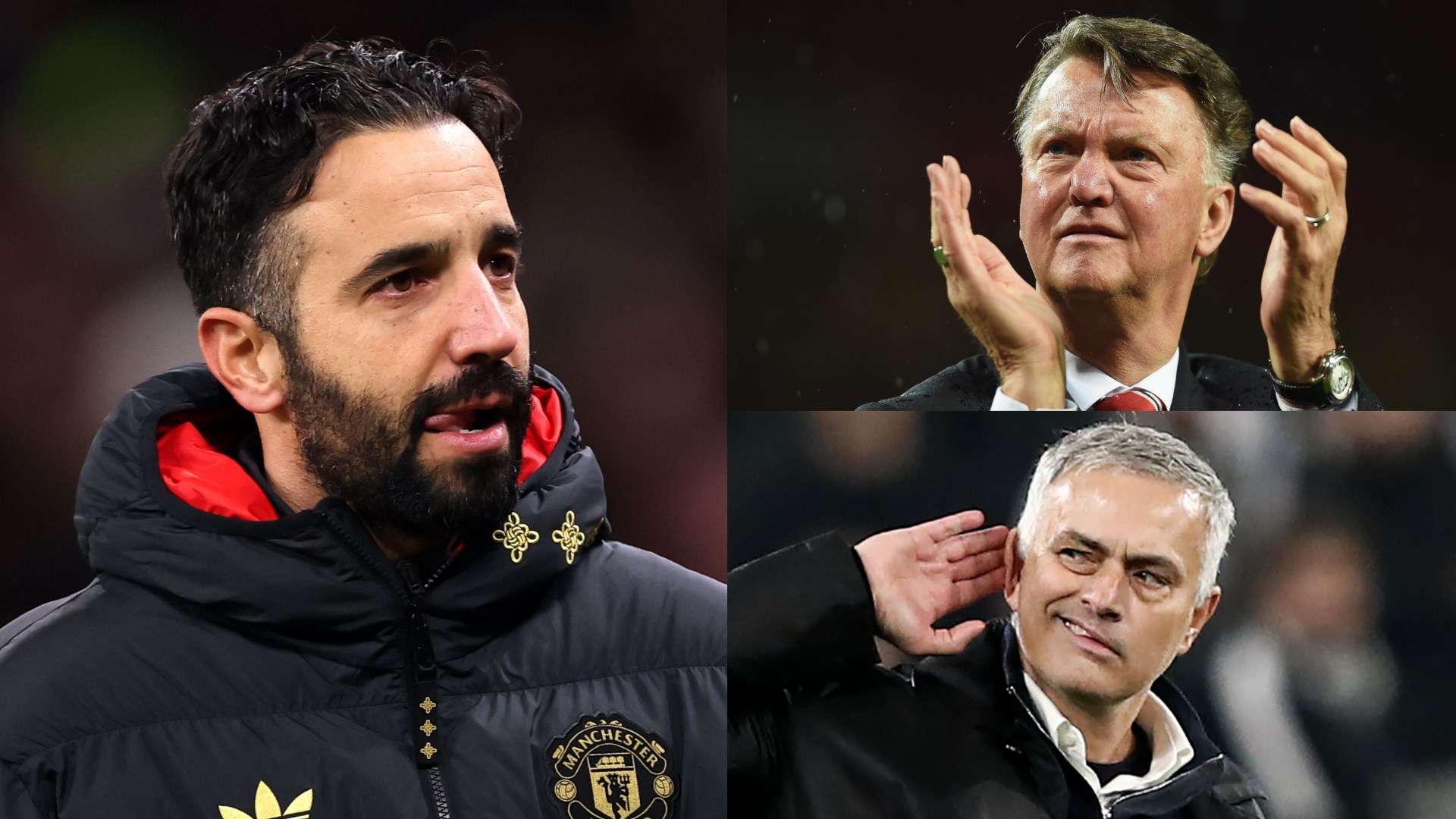

Manchester United Sacks Ruben Amorim After Disappointing Stint
Ruben Amorim has joined the list of Manchester United managers who have failed to live up to expectations, becoming the sixth to be sacked in less than 13 years. The Portuguese coach’s tenure came to an end on Monday amidst acrimonious circumstances, marking a disappointing chapter in the club’s history.
Amorim’s time at Old Trafford lasted less than 14 months, making it the second-shortest among all the permanent managers who have taken charge of the team. United’s co-owner Sir Jim Ratcliffe had high hopes for the coach, believing he could have a similar impact to Mikel Arteta at Arsenal given enough time. CEO Omar Berrada even drew comparisons between Amorim and Pep Guardiola at Manchester City, although those praises now seem premature.
High Hopes Turn into Disappointment
Amorim arrived at Manchester United with a strong reputation in European coaching after leading Sporting CP to two Portuguese league titles. However, his time at the helm of the English club has left his reputation tarnished. His rigid adherence to a 3-4-3 formation and his blunt and often damaging press conferences have drawn criticism, making it unlikely for him to secure a position at another Premier League club in the near future.
Many speculate that a return to Portuguese football, possibly with his former club Benfica, could be the next step for Amorim as he looks to rebuild his coaching career. The pressure and expectations at Manchester United have proven to be too much for him to handle, leading to his premature departure from the club.
A Legacy of Failed Successors
Amorim is just one in a line of managers who have struggled to fill the shoes of the legendary Sir Alex Ferguson at Old Trafford. The list of coaches who have attempted to emulate Ferguson’s success is long, with each one facing their own set of challenges and ultimately falling short of expectations.
As Manchester United looks to the future and searches for a new manager to lead the team, the club will need to carefully consider their options and learn from the mistakes of the past. The next appointment will be crucial in determining the direction of the club and its success on the field.
In the meantime, fans and observers alike will be left to reflect on the legacy of Ruben Amorim and the other failed successors who have come and gone at Manchester United. The club’s next move will be closely watched as they navigate the challenges of finding the right leader to guide them to glory once again.
The Importance of Stability in Football Management
One of the key lessons that Manchester United can learn from the sacking of Ruben Amorim is the importance of stability in football management. The constant turnover of managers at the club has undoubtedly contributed to their lack of success in recent years. While it is natural for clubs to seek change when results are not up to par, frequent managerial changes can disrupt team dynamics and hinder long-term strategic planning.
Successful clubs like Liverpool and Manchester City have shown that stability in the coaching staff can lead to sustained success on the field. By sticking with a manager through thick and thin, clubs can build a strong foundation for future achievements. Manchester United must prioritize stability in their next managerial appointment to foster continuity and allow the team to develop and grow under a consistent leadership.
The Evolution of Football Tactics
Amorim’s insistence on using a 3-4-3 formation at Manchester United highlights the evolving landscape of football tactics and the importance of flexibility in coaching. While certain formations may have been successful in the past, modern football requires managers to adapt to different styles of play and opposition strategies.
Top clubs around the world are constantly innovating and experimenting with new tactical approaches to gain a competitive edge. Manchester United must seek a manager who is versatile and adaptable, capable of adjusting tactics based on the strengths and weaknesses of the team and the specific challenges posed by opponents. By embracing a more fluid and dynamic approach to tactics, Manchester United can stay ahead of the curve and remain competitive in the ever-changing world of football.
The Psychological Impact of Managerial Changes
Each managerial change at a football club can have a profound psychological impact on the players, staff, and fans. The uncertainty and instability that come with a new manager can create anxiety and disrupt the team’s morale and performance on the field. Manchester United must consider the psychological effects of managerial changes and strive to minimize any negative consequences in their next appointment.
Effective communication and transparency during the transition period can help reassure players and fans, fostering a sense of unity and purpose within the club. By actively addressing the emotional aspects of managerial changes, Manchester United can ensure a smoother transition and set the stage for success under new leadership.
Looking Ahead: The Search for a New Manager
As Manchester United embarks on the search for a new manager, they must carefully evaluate potential candidates based on their track record, tactical acumen, and ability to inspire and motivate the team. The next manager will inherit a talented squad with the potential for greatness, but success will ultimately depend on their leadership and strategic vision.
Manchester United fans will be eagerly awaiting news of the club’s next managerial appointment, hopeful that this time, the chosen candidate will be able to steer the team towards a brighter future. With the right manager at the helm, Manchester United can reclaim their status as one of the top clubs in English football and compete for major honors once again.
By learning from the past and embracing a forward-thinking approach to management, Manchester United can lay the groundwork for a successful and sustainable future, bringing pride and joy to fans around the world.
