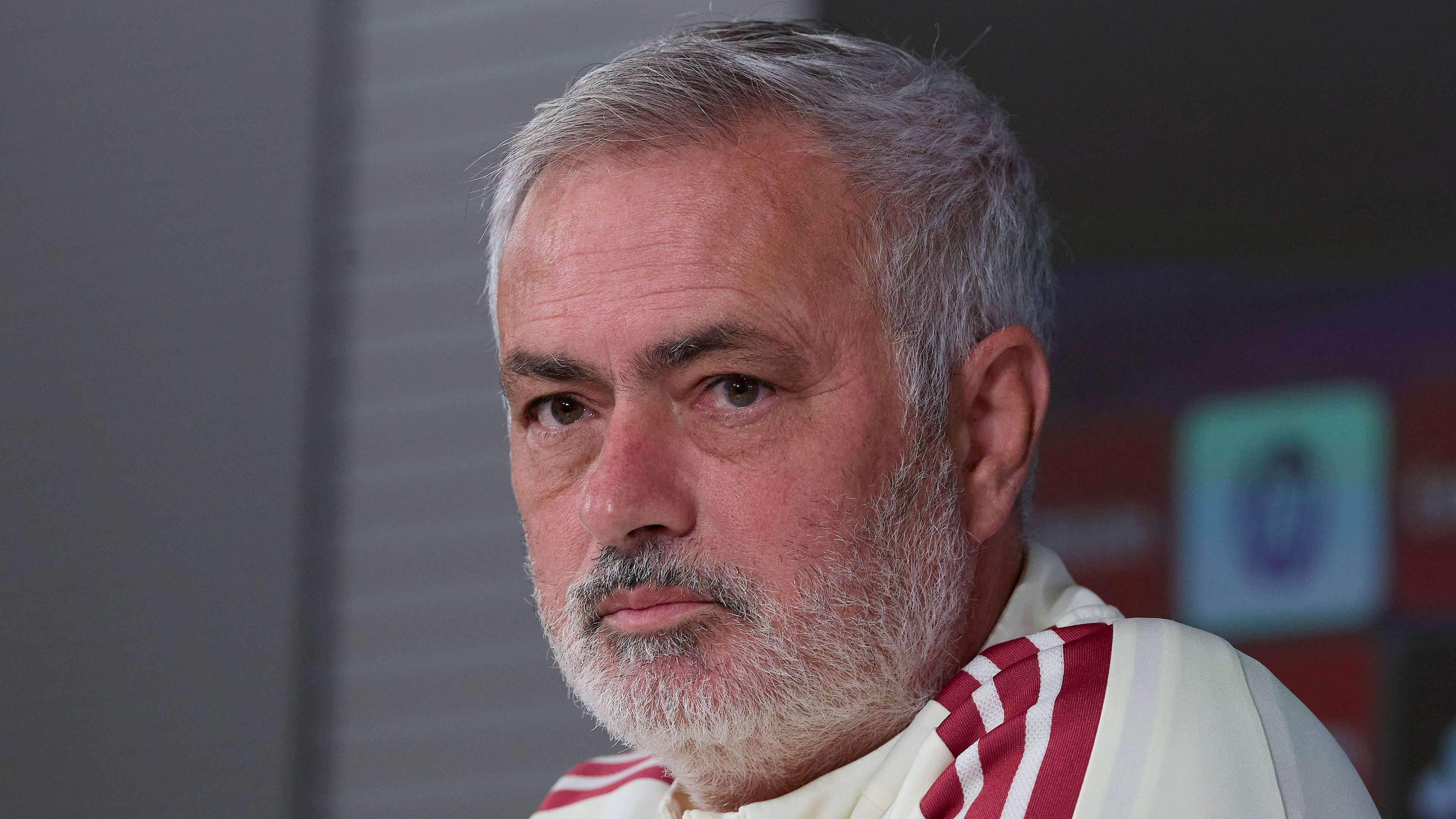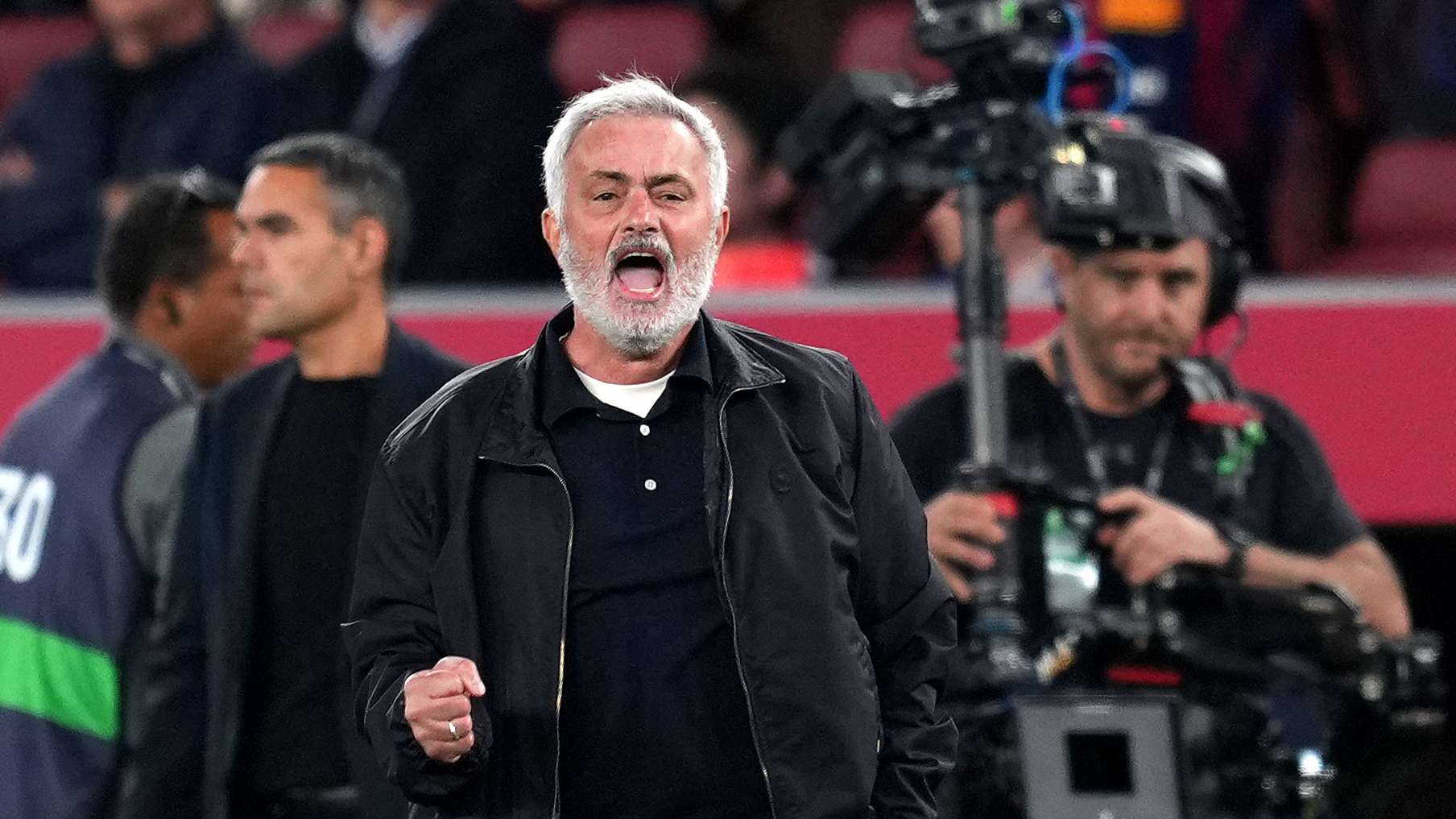

José Mourinho’s Real Madrid workload plan aims to keep stars fresh for the season’s decisive stretch
At Real Madrid, every minute on the pitch can matter—and so can every minute spent recovering. José Mourinho is reportedly putting a carefully tailored workload-management plan in place at Valdebebas, aiming to prevent fatigue from undermining the team as the season reaches its most demanding stage.
According to Spanish newspaper Marca, the Portuguese coach and his staff are tracking players’ minutes and physical condition more closely, while adjusting training and rest to suit individual needs. The approach reflects a broader lesson from elite football: keeping key players available for decisive fixtures can be just as important as choosing the right starting eleven.
Real Madrid’s schedule leaves little room for complacency. LaLiga matches arrive alongside cup and European commitments, and the intensity tends to rise as trophies come within reach. A player who appears ready for one more appearance may still be carrying fatigue that affects his sharpness, recovery or injury risk. Mourinho’s plan is designed to spot those warning signs before they become a problem.
Individual recovery rather than a one-size-fits-all plan
The strategy goes beyond making substitutions or resting several regular starters for a particular match. It can also involve extra days away from training, adjusted physical sessions and recovery programmes designed around each player’s workload. The aim is to balance the demands of the team with the different needs of its individuals.
Arda Güler and Aurélien Tchouaméni have recently illustrated how the policy can work. After taking on heavy workloads in high-tempo, physically demanding games, both were given additional time to recover and regain their sharpness. Such decisions do not necessarily signal a loss of confidence or a change in their status. Instead, they reflect an effort to ensure players are ready when the team needs them most.
Other members of the squad could receive similar treatment, depending on their condition, recent minutes and the demands of upcoming fixtures. Mourinho’s approach is not based on a fixed number of appearances or a blanket rest schedule. The coaching staff are instead expected to weigh each player’s situation against the team’s immediate priorities.
That requires close cooperation between the coaching staff, fitness specialists and medical department. Minutes played are one part of the picture; the intensity of those minutes, training loads and recovery between matches also matter. Two players may feature for the same length of time yet experience very different physical demands, depending on their position, role and the pace of the game.
What Real Madrid can learn from Paris Saint-Germain
Paris Saint-Germain’s management of playing time has reportedly caught Mourinho’s attention, with Bayern Munich also among the clubs whose methods offer useful reference points. Under Luis Enrique, PSG have used rotation and rest to keep several high-profile players fresh across domestic and continental competitions.
The Ligue 1 figures cited by Marca show how selectively PSG have distributed minutes. Vitinha played 2,121 minutes in the domestic competition, while Khvicha Kvaratskhelia logged 1,483. Achraf Hakimi recorded 1,374 minutes, João Neves 1,287 and Fabián Ruiz 1,129. Ousmane Dembélé featured for 1,062 minutes.
Vitinha was the only player in that group to reach more than half of the available league minutes, appearing in 69.3 per cent. Dembélé’s share was 34.7 per cent, while Ruiz’s was 36 per cent. Those numbers underline the scope PSG have had to rotate important players and provide recovery time without relying on the same core for every domestic fixture.
However, the comparison has limits. PSG’s options and the competitive demands of Ligue 1 differ from Real Madrid’s situation in Spain. LaLiga’s depth and the pressure attached to every match can make rotation more difficult, particularly when the standings are tight or a rival is close behind. Resting a key player may be sensible in physical terms, but it also carries a sporting risk if the team drops points.
That is why Mourinho’s reported plan is less about copying PSG’s minute totals and more about adapting the principle. Real Madrid need a system that protects players without weakening the side or disrupting its rhythm. Strategic rotation may be most effective when it is planned around fixture congestion, opponent demands and the availability of alternatives in each position.
Why workload management could shape the title race
As the campaign progresses, fatigue can influence more than a player’s ability to complete a match. It can affect decision-making, acceleration, concentration and recovery after intense efforts. Small drops in those areas can become significant in close contests, where a single defensive lapse or missed chance may decide the result.
There is also a longer-term concern: the cost of pushing players through repeated high-intensity matches without adequate recovery. A carefully managed squad gives the coaching staff more options and may reduce the chance that an important player is unavailable when the stakes are highest. It can also help maintain competition for places, as substitutes and younger players receive opportunities to contribute.
For supporters following Real Madrid’s title prospects, workload decisions may therefore become a key storyline alongside tactics, form and team selection. Any football prediction for the closing stretch must account for the possibility that rotation changes the line-up from one match to the next. A star’s absence from the starting eleven may be part of a planned recovery strategy rather than an indication of poor form.
Mourinho’s challenge is to find the right balance: preserve the team’s competitiveness now while keeping its most important players physically and mentally prepared for the decisive fixtures ahead. At Valdebebas, the message is clear—minutes must be managed with purpose. In a season where the margin between success and disappointment can be narrow, the time a player spends resting may prove nearly as valuable as the time he spends on the pitch.