

India Urged to Focus on Doubles in Badminton for Sustained Success
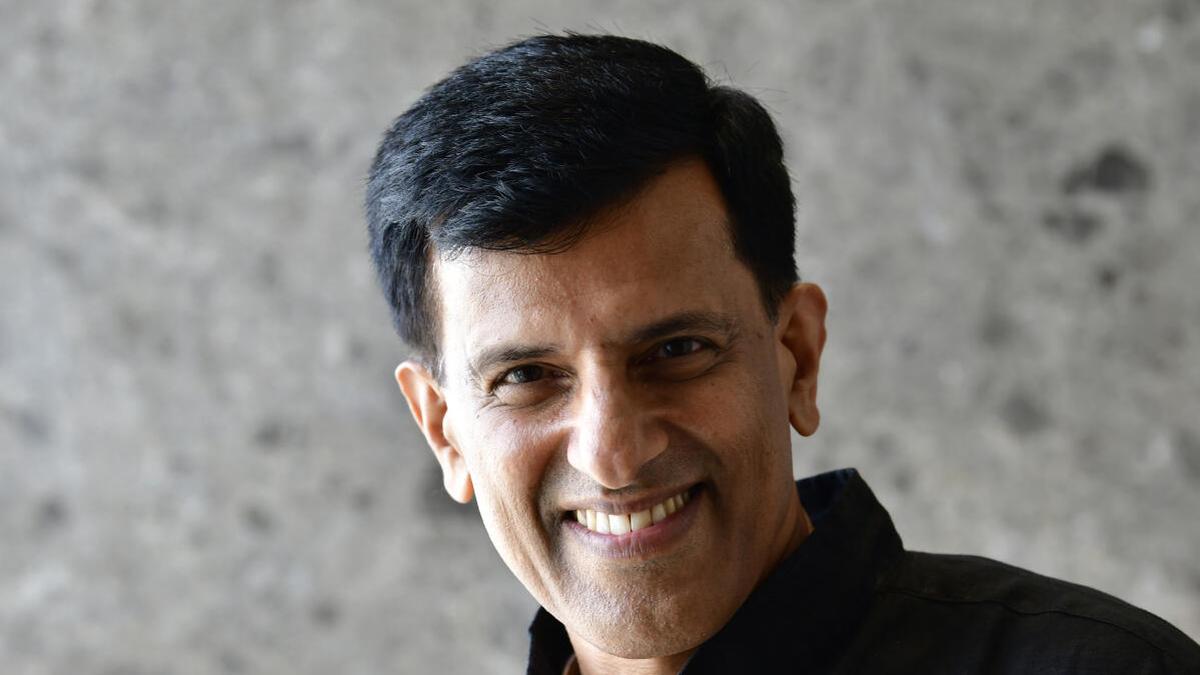
Former national team coach Vimal Kumar has stressed the importance of prioritizing doubles in Indian badminton to achieve sustained success at the elite level. While acknowledging the world-class talent of the men’s doubles pair Satwiksairaj Rankireddy and Chirag Shetty, Vimal highlighted a concerning lack of depth in doubles across all categories.
Investing in Young Pairs
Vimal emphasized the need to invest in young pairs like Tanisha and Dhruv Kapila to bridge the gap between Indian doubles players and the top international pairs. He suggested hosting bilateral series and Test matches against leading badminton nations, such as Malaysia, Thailand, and Indonesia, to provide Indian youngsters with valuable exposure to high-pressure team events.
According to Vimal, participating in team-style competitions would automatically enhance the skills of young players and help them improve under pressure. He proposed forming mini-circuits with neighboring countries to host such events across multiple cities, allowing players to gain experience and develop their game.
Challenges in the Domestic Circuit
While acknowledging the competitiveness of India’s domestic tournaments, Vimal highlighted the importance of exposure to different playing styles, particularly from eastern countries. He emphasized the need for Indian players to experience and adapt to varied playing styles by engaging in international exchanges and competitions.
Vimal also called for increased support for players competing in lower-tier events and Challenge tournaments, stressing the importance of nurturing talent beyond the top-ranked players. He urged the Badminton Association of India to focus on developing players in the top 100 and top 50 rankings to break into the top 30.
Nurturing the Next Generation
Highlighting recent performances by young players like Tanvi Sharma, Vimal expressed optimism about the depth of talent in Indian badminton. He emphasized the need for patience in nurturing young players and cautioned against providing excessive support too soon, highlighting the importance of developing the right temperament for success.
Furthermore, Vimal underscored the role of parental understanding and support in a player’s journey to the top, emphasizing the need for a holistic approach that includes facilities, funding, and emotional guidance.
Looking Ahead
As India aims for sustained success in badminton, Vimal Kumar’s insights shed light on the importance of focusing on doubles, providing young players with international exposure, and nurturing talent beyond the top-ranked individuals. By investing in the next generation of doubles players and fostering a supportive environment, India can build a strong foundation for continued success in the sport.
Building a Strong Doubles Culture
One key aspect that Vimal Kumar’s suggestions bring to light is the importance of building a strong doubles culture within Indian badminton. While the focus has often been on singles players like PV Sindhu and Kidambi Srikanth, the success of countries like Indonesia and China in doubles disciplines underscores the value of investing in pairs. By prioritizing doubles training programs, coaching, and competition opportunities, India can create a more well-rounded approach to the sport and increase its chances of success on the international stage.
Strategic Partnerships and Collaborations
Another avenue for enhancing Indian doubles players’ skills is through strategic partnerships and collaborations with established badminton nations. By forming alliances with countries known for their expertise in doubles, such as South Korea and Japan, India can expose its players to top-notch training regimes, coaching methodologies, and competitive environments. These partnerships can also facilitate cultural exchanges and learning opportunities, enriching the overall development of Indian badminton players.
Utilizing Technology and Analytics
In today’s fast-paced sporting landscape, the use of technology and analytics plays a crucial role in enhancing player performance. By incorporating data-driven insights, video analysis, and sports science into training programs for doubles players, India can gain a competitive edge and accelerate the skill development process. Tools like Hawkeye, performance tracking software, and biomechanical assessments can provide valuable feedback to players and coaches, aiding in strategic decision-making and skill refinement.
Embracing a Growth Mindset
One of the key factors in achieving sustained success in badminton is cultivating a growth mindset among players, coaches, and stakeholders. By fostering a culture of continuous learning, adaptability, and resilience, Indian badminton can evolve and thrive in the face of challenges and competition. Encouraging players to embrace failure as a learning opportunity, seek feedback for improvement, and set ambitious goals can create a foundation for long-term success in the sport.
Community Engagement and Grassroots Development
Beyond elite training programs and international exposure, fostering community engagement and grassroots development is essential for the growth of badminton in India. Initiatives that promote the sport at the grassroots level, provide access to equipment and facilities in rural areas, and involve local communities in the promotion of badminton can unearth hidden talents and cultivate a passion for the game. By investing in the grassroots, India can ensure a sustainable pipeline of talent for the future, contributing to the overall development of badminton in the country.
Conclusion
As India navigates the path towards sustained success in badminton, the focus on doubles, international exposure for young players, and holistic development strategies are instrumental in shaping the future of the sport. By embracing innovative approaches, strategic partnerships, and a growth mindset, India can position itself as a powerhouse in doubles disciplines and secure a prominent spot on the global badminton stage. With a concerted effort towards nurturing talent, building a strong doubles culture, and engaging with the community, Indian badminton is poised for a bright and successful future.
