
Netherlands Stages Dramatic Comeback to Draw Greece in Nations League Thriller
The Netherlands’ recent UEFA Nations League clash against Greece proved to be a rollercoaster of emotions, culminating in a hard-fought 2-2 draw that kept their tournament hopes alive. This gripping encounter showcased the resilience of the Dutch squad and highlighted strategic decisions made by their coaching staff, as well as standout individual performances that reignited the team’s fighting spirit.
First Half Woes Leave Dutch Side on the Back Foot
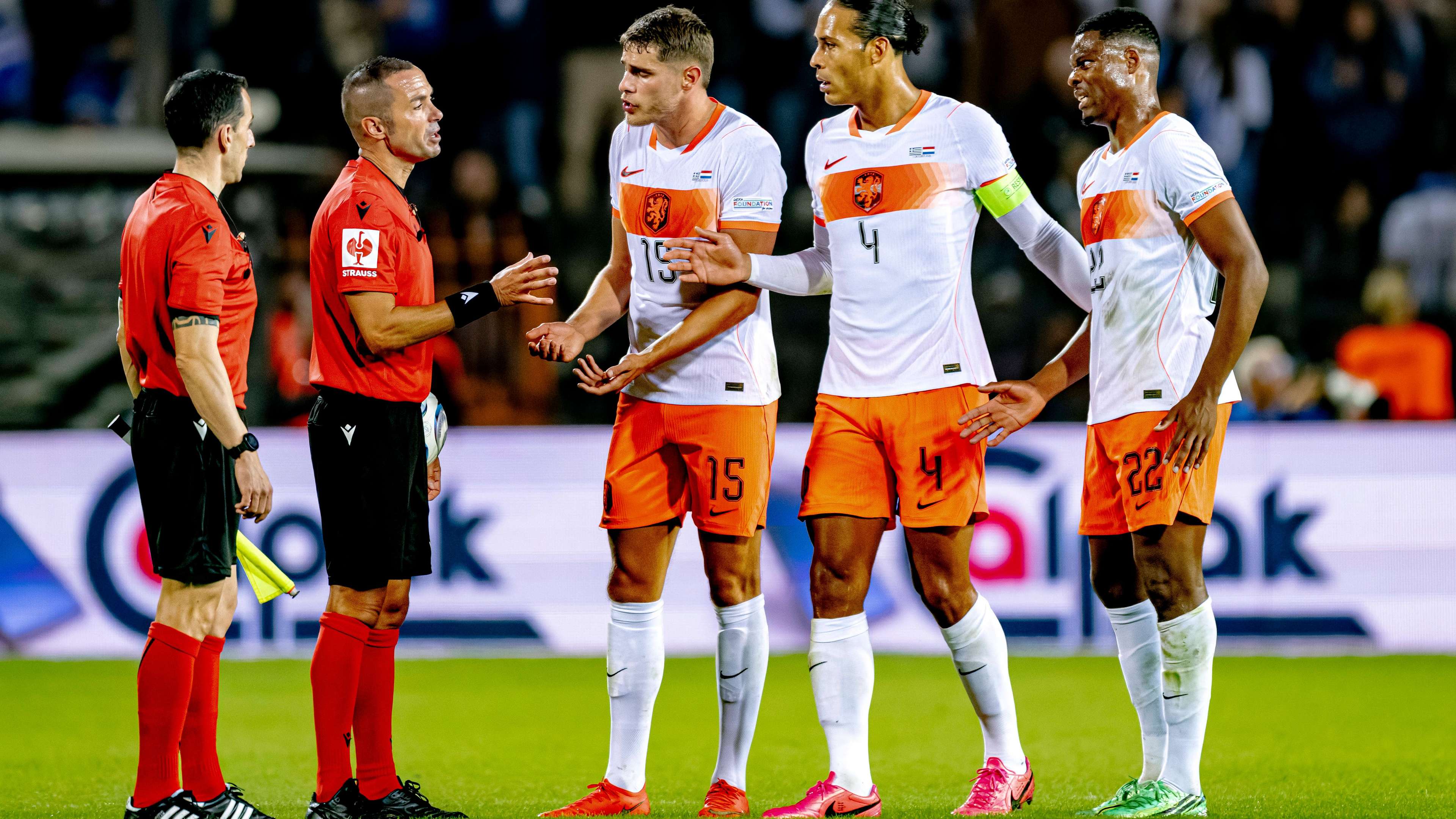
From the outset, the match did not favor the Netherlands. The Dutch team struggled to find their rhythm, with their early play marred by miscommunications and defensive lapses. Greece capitalized on this instability, with forward Fotis Ioannidis opening the scoring early in the game. The Greeks continued to press, and Giorgos Masouras added a second goal before halftime, leaving the Netherlands trailing 2-0 at the interval.
The first-half performance was marked by a lack of cohesion and sharpness, raising questions about the team’s tactical setup and individual performances. The Dutch side appeared disorganized and lacked the urgency necessary to challenge Greece’s disciplined defensive structure. The Greek team, on the other hand, exploited every mistake, demonstrating why they are considered a competitive side in the Nations League.
Decisive Half-Time Substitutions Spark a Turnaround
Recognizing the urgency of the situation, Dutch head coach Xavi made bold decisions during the break. Unlike traditional approaches where teams often stick with initial lineups, Xavi opted to make three strategic substitutions: Ruben van Bommel, Quinten Timber, and Guus Til made way for Noa Lang, Ryan Gravenberch, and Tijjani Reijnders. This bold move proved to be a turning point in the match.
Post substitution, the Dutch team exhibited a marked improvement in both attacking intent and defensive organization. The change in personnel injected much-needed energy and creativity, which was reflected in their improved ball possession and attacking fluidity. It was a demonstration of tactical flexibility and the importance of quick thinking from a coach during a game.
Standout Performances and Key Goals in the Second Half
Under the renewed Dutch vigor, the team pressed higher and played with increased determination. The breakthrough came when Virgil van Dijk scored a crucial header, reducing the deficit and igniting hope among Dutch supporters. Shortly afterward, Tijjani Reijnders, whose impact off the bench was widely praised, scored the equalizer, completing the comeback and salvaging a vital point for the Netherlands.
Reijnders’ goal not only showcased his composure and adaptability but also exemplified the effectiveness of the substitutions. His ability to read the game and capitalize on a rebound demonstrated the importance of squad depth and tactical awareness in modern football.
Analysts Laud Dutch Tactical Adjustments and Player Performances
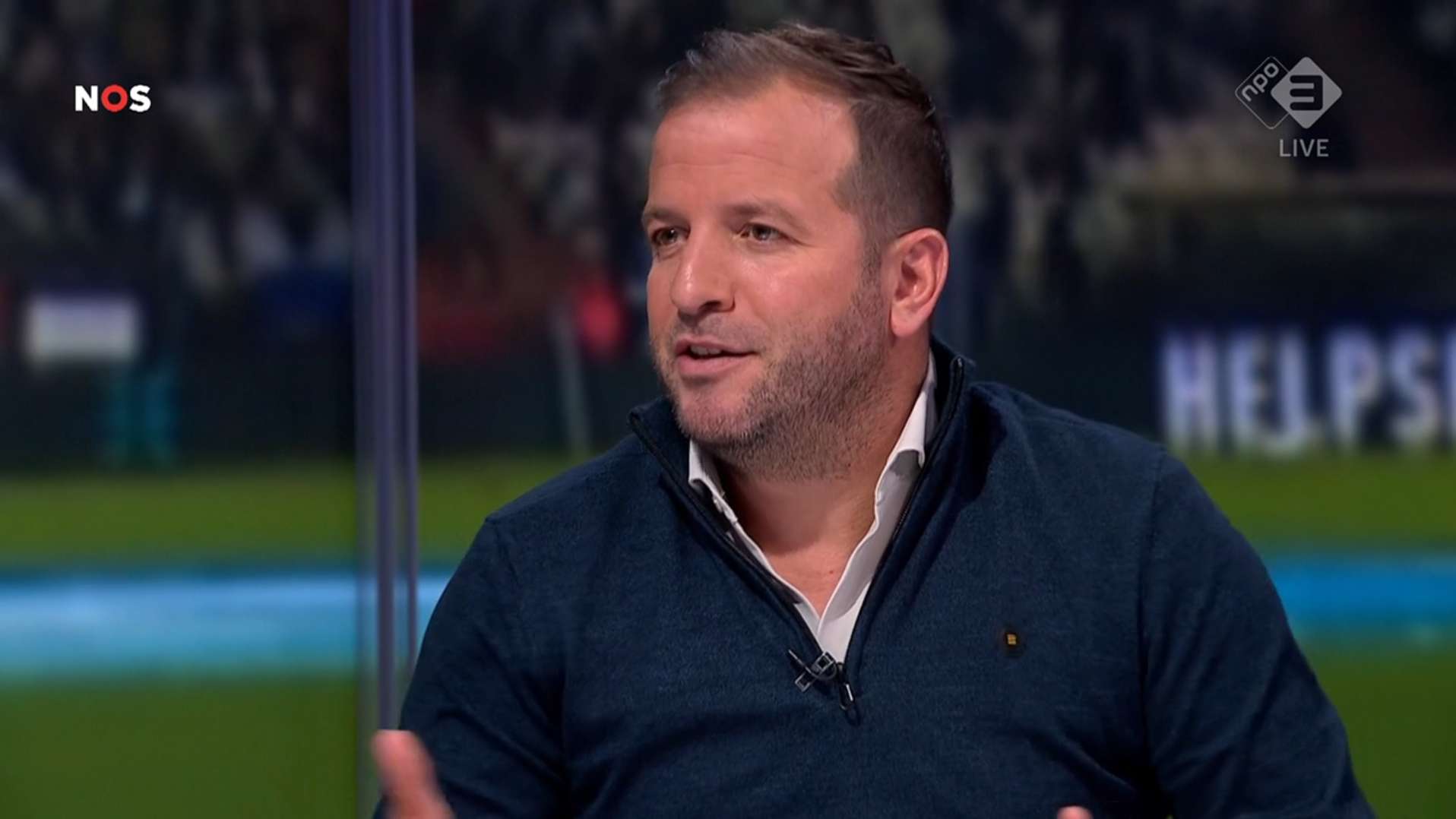
Football experts and analysts widely lauded the Dutch coaching staff for their tactical acumen. Former Dutch international Rafael van der Vaart highlighted the significance of the half-time changes, emphasizing that such decisive actions often define successful teams in high-stakes competitions.
Van der Vaart remarked on NOS, “It reflects well on a coach when he admits his own mistake. The first half was a disaster, but the substitutions turned everything around.” He emphasized the brilliance of Noa Lang and Tijjani Reijnders, describing their performances as “bright spots” that revitalized the Dutch attack and midfield respectively.
Wim Kieft, another respected football analyst, observed that the Netherlands looked more composed and confident after the break. He pointed out that players like Reijnders and Ryan Gravenberch have the technical ability and dynamism to elevate the team’s overall standard. Kieft noted, “It’s easy to criticize Til and Timber, but Reijnders and Gravenberch are operating on a different level—more dynamic, more quick, and more hungry.”
Insights into the Tactical Evolution of the Dutch Squad
The match served as a testament to the evolving tactical landscape in international football, especially within the context of the Nations League. The Netherlands’ ability to adapt mid-game underscores the importance of flexibility and tactical awareness in modern football prediction models. Coaches who can read the game and make timely adjustments often turn potential defeats into valuable points, as seen here.
Furthermore, the game highlighted the importance of player versatility and squad depth. The ability of Reijnders and Gravenberch to seamlessly integrate into the team and influence play was crucial in overturning Greece’s lead. Their performances reinforce the idea that in football prediction and team strategy, having multiple options and the courage to switch tactics can be decisive.
Implications for the Netherlands in the Nations League Campaign
This hard-fought draw keeps the Netherlands in the hunt for progression in the Nations League, emphasizing the need for consistent performances and tactical flexibility. While the first half was disappointing, the resilience shown in the second half offers hope and valuable lessons for future fixtures.
Looking ahead, the Dutch side will aim to build on this comeback, refining their attacking combinations and defensive solidity. The game also underscores the importance of strategic substitutions and mental toughness—elements that often determine the outcome in closely contested international fixtures.
Final Thoughts: A Match of Tactical Lessons and Player Brilliance
The Netherlands vs. Greece encounter exemplified how football is a game of fine margins, strategic depth, and individual brilliance. As the Dutch team demonstrated, a well-timed tactical shift and inspired player performances can turn a bleak situation into a memorable comeback. For fans and analysts alike, this match offers valuable insights into football prediction, emphasizing the unpredictable and thrilling nature of the sport.
In conclusion, this fixture not only provided a dramatic spectacle but also highlighted the critical elements of successful football strategy—adaptability, resilience, and the capacity to seize opportunities. As both teams look forward to their upcoming matches, the lessons learned here will undoubtedly influence their approaches in future international encounters.