
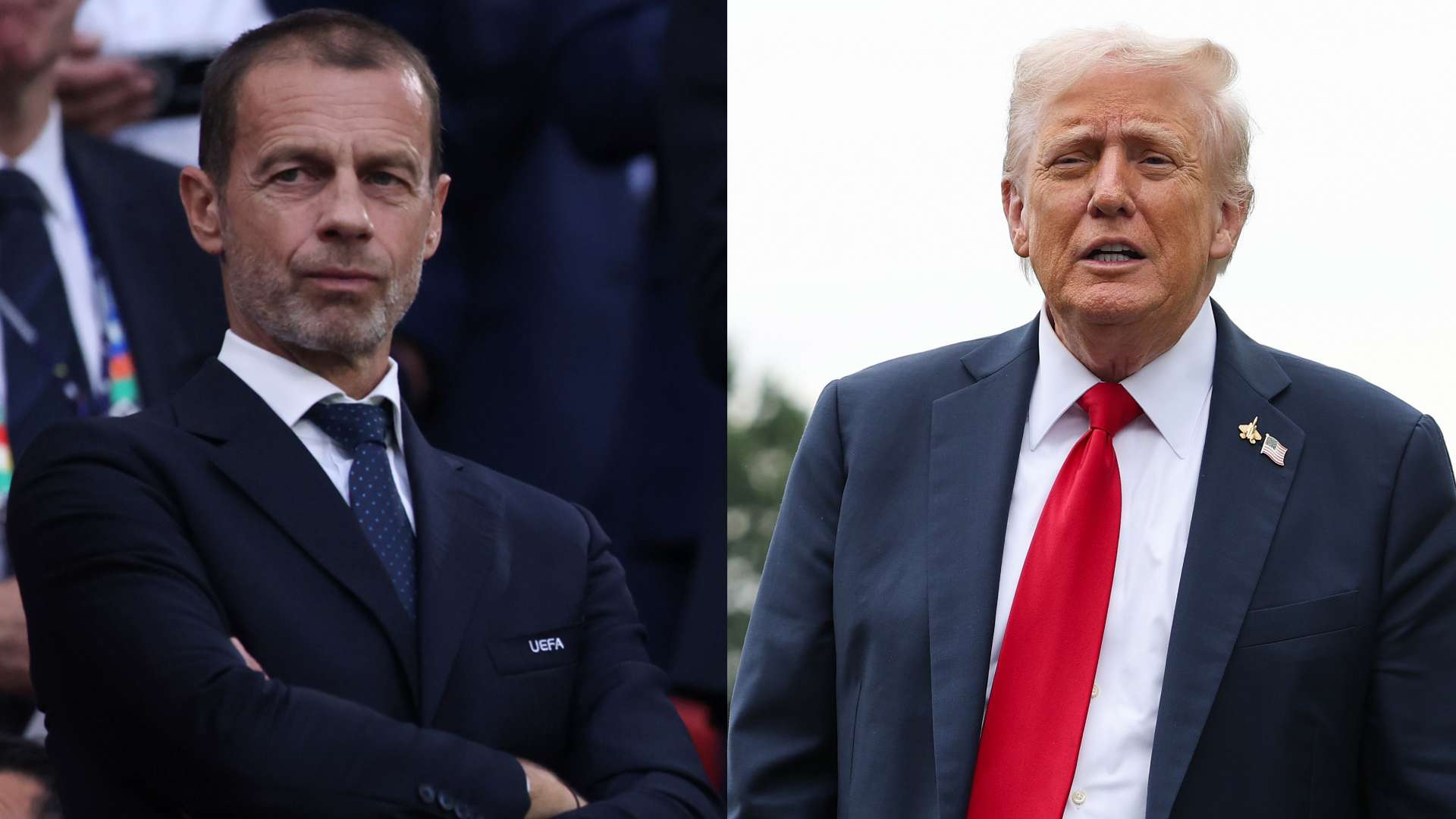

UEFA Delays Vote on Suspending Israel from European Competition
UEFA has recently decided to postpone a vote on suspending Israel from European competition following a significant development in the ongoing conflict in Gaza. This decision comes after United States president Donald Trump revealed a new peace plan aimed at ending the war in Gaza and has given Hamas a deadline to respond.
Trump’s 20-Point Peace Plan
President Donald Trump has unveiled a comprehensive 20-point peace plan in an effort to bring an end to the conflict in Gaza. The plan includes various measures aimed at promoting peace and stability in the region, and Trump has given Hamas a “three or four days” deadline to respond to the proposal. Failure to respond could result in serious consequences for the militant group.
The announcement of this peace plan has generated significant interest and speculation within the international community, with many hoping that it could pave the way for a lasting resolution to the conflict in Gaza.
UEFA’s Response
Given the new developments in the region, UEFA has chosen to delay a planned vote on suspending Israel from European competition. The decision to suspend Israel from European competition was initially proposed as a response to the ongoing conflict in Gaza. However, with the introduction of Trump’s peace plan and the deadline given to Hamas, UEFA has opted to put the vote on hold.
This decision reflects the complexity and sensitivity of the situation in the region, as well as the potential impact of Trump’s peace plan on the ongoing conflict. UEFA’s move to delay the vote demonstrates a willingness to consider the evolving circumstances and potential for a peaceful resolution.
Implications for European Football
The decision to delay the vote on suspending Israel from European competition has significant implications for European football. The potential suspension of Israel would have had far-reaching consequences for the country’s football teams, as well as for the broader European football community.
With the vote now on hold, the focus has shifted to the response of Hamas to Trump’s peace plan and the potential for a peaceful resolution to the conflict in Gaza. The outcome of this situation could have a profound impact on the future of football in Israel and throughout Europe.
Looking Ahead
As the situation continues to develop, all eyes will be on the response of Hamas to Trump’s peace plan and the potential for a lasting resolution to the conflict in Gaza. UEFA’s decision to delay the vote on suspending Israel from European competition underscores the significance of the current developments and the importance of finding a peaceful solution to the conflict.
As the international community watches and waits for further updates, the future of European football and the broader implications of the ongoing conflict in Gaza remain uncertain. However, the introduction of Trump’s peace plan offers a glimmer of hope for a positive outcome and a potential path towards peace in the region.
Analysis of Trump’s Peace Plan
President Donald Trump’s 20-point peace plan has sparked mixed reactions from various stakeholders. While some view it as a proactive step towards resolving the conflict in Gaza, others are skeptical about its feasibility and effectiveness. The plan’s emphasis on security measures, economic development, and political reforms has raised concerns about the balance between addressing the root causes of the conflict and ensuring a sustainable peace agreement.
Furthermore, the tight deadline given to Hamas to respond to the peace plan has added a sense of urgency to the situation. The militant group’s decision will not only determine its future actions but also shape the course of negotiations and potential outcomes in the region. The international community is closely monitoring Hamas’s response, as it could set the tone for future peace efforts in Gaza.
UEFA’s Role in Promoting Peace
UEFA’s decision to postpone the vote on suspending Israel from European competition reflects the organization’s commitment to promoting peace and stability through football. By acknowledging the evolving circumstances in the region and the potential impact of Trump’s peace plan, UEFA has demonstrated a nuanced approach towards addressing conflicts that transcend the world of sports.
As a key player in the European football landscape, UEFA’s stance on the matter sends a powerful message about the role of sports in fostering dialogue, understanding, and reconciliation. The organization’s willingness to adapt its decisions in light of changing geopolitical dynamics highlights the broader significance of football as a platform for promoting unity and cooperation.
The Impact on Israeli Football
The decision to delay the vote on suspending Israel from European competition has brought temporary relief to Israeli football teams and fans. The potential suspension would have not only affected their participation in international tournaments but also had broader implications for the development and growth of football in the country. With the vote on hold, Israeli football can continue to operate without the shadow of sanctions looming over its future.
However, the uncertainty surrounding the conflict in Gaza and the outcome of Trump’s peace plan still casts a shadow over Israeli football. The sport remains intertwined with the political realities of the region, and its future will inevitably be shaped by the resolution of the ongoing conflict. Israeli football stakeholders will be closely monitoring the situation and hoping for a peaceful resolution that allows the sport to thrive in a stable environment.
Conclusion
As the world watches the developments in Gaza unfold, the intersection of football, politics, and peace continues to be a complex and challenging terrain. The delay in the vote on suspending Israel from European competition highlights the intricate relationships between sports, diplomacy, and conflict resolution. While Trump’s peace plan offers a glimmer of hope for a breakthrough in the region, the path to lasting peace remains uncertain.
Ultimately, the role of organizations like UEFA in navigating these complex issues and promoting dialogue through football is crucial. By remaining flexible, open-minded, and engaged in the broader peace efforts, sports governing bodies can contribute to building bridges, fostering understanding, and creating opportunities for reconciliation in conflict-ridden regions like Gaza.
