
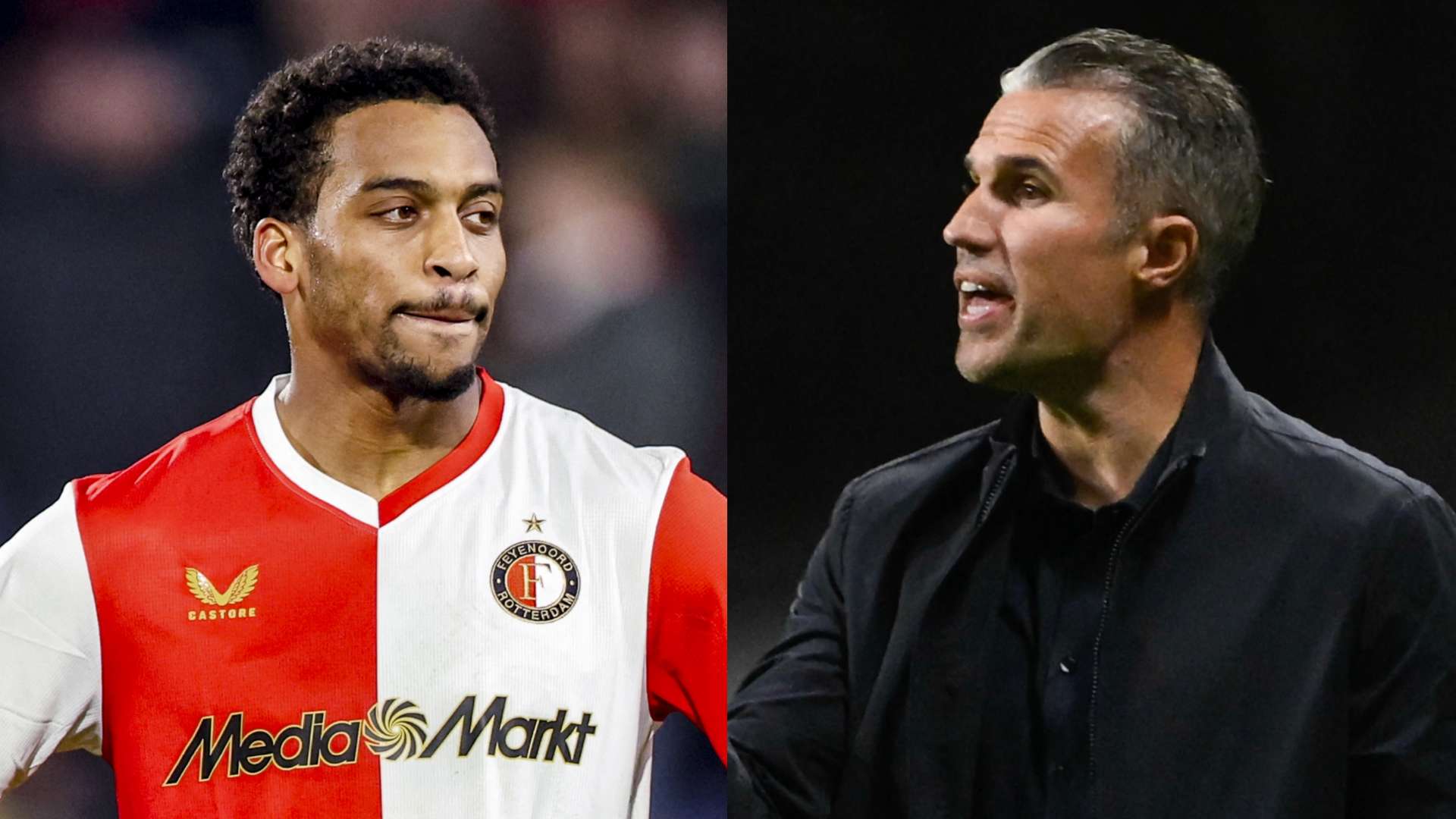

Feyenoord Midfielder Quinten Timber Blasts Manager Robin van Persie
Feyenoord midfielder Quinten Timber has made headlines with his recent outburst against manager Robin van Persie, indicating a potential departure from the club. The 23-year-old didn’t hold back after a disappointing derby defeat to Sparta Rotterdam, where he publicly criticized van Persie for his leadership style.
Accusations and Challenges
During a post-match interview, Timber accused the former Arsenal and Manchester United striker of failing to protect the squad and not providing the necessary support. He went on to challenge van Persie to confront his criticisms face-to-face, emphasizing that he has reached his breaking point with the coach’s management.
This public fallout between player and manager has raised questions about the internal dynamics within the Feyenoord team and the impact it may have on the club’s performance in upcoming matches. Timber’s bold statements have certainly shed light on underlying tensions within the squad.
Potential Departure
Timber’s comments have sparked speculation about his future at Feyenoord, with many wondering if this incident will lead to his departure from the club. The midfielder’s dissatisfaction with van Persie’s leadership could ultimately result in a transfer to another team.
It remains to be seen how Feyenoord will handle this situation and whether they will take any disciplinary action against Timber for his public criticism of the manager. The club’s response to this controversy will undoubtedly shape the direction of their relationship with the talented midfielder.
Impact on Team Dynamics
The rift between Timber and van Persie has the potential to disrupt the team’s unity and focus, especially as Feyenoord prepares for future matches. The manager-player relationship is crucial for a team’s success, and the public nature of this dispute could have far-reaching consequences.
Fans and analysts alike are eagerly awaiting van Persie’s response to Timber’s accusations and whether there will be any attempt at reconciliation between the two parties. The outcome of this conflict will undoubtedly have implications for Feyenoord’s performance on the pitch.
Looking Ahead
As the situation unfolds, all eyes will be on Feyenoord to see how they handle this controversy and whether it will impact the team’s performance in the upcoming games. The transfer speculation surrounding Timber adds another layer of intrigue to an already tense situation.
Regardless of the outcome, Quinten Timber’s outburst has certainly made waves in the football world and has brought attention to the challenges that can arise within a team dynamic. The coming days will reveal how Feyenoord navigates this crisis and whether they can emerge stronger from this internal turmoil.
Analysis of Player-Manager Relationships in Football
Quinten Timber’s public criticism of Robin van Persie sheds light on the complex dynamics that exist within player-manager relationships in football. Historically, clashes between players and managers are not uncommon in the world of sports, with disagreements often stemming from differences in tactics, playing time, or personal dynamics.
One of the key factors that can influence the relationship between a player and a manager is communication. Open lines of communication, mutual respect, and clear expectations are essential for a healthy working relationship. When these elements are lacking, tensions can arise, leading to public outbursts and conflicts like the one between Timber and van Persie.
Additionally, the power dynamics inherent in the player-manager relationship can also play a significant role in how conflicts are resolved. Players often rely on managers for guidance, playing opportunities, and support, making it challenging for them to speak out against their superiors without fear of consequences.
On the other hand, managers must navigate the delicate balance of maintaining authority while also fostering trust and respect among their players. Failure to do so can result in dissent within the team, as seen in the case of Timber and van Persie.
The Role of Leadership in Team Dynamics
Leadership styles vary among football managers, with some opting for a more hands-on approach while others take a more relaxed stance. How a manager chooses to lead can have a profound impact on team dynamics, morale, and ultimately, performance on the pitch.
In the case of Robin van Persie, his leadership style may have clashed with Quinten Timber’s expectations, leading to the public outburst. While some players respond well to a more authoritative figure, others may prefer a coach who takes a more collaborative or supportive approach.
Effective leadership in football requires a deep understanding of each player’s needs, motivations, and communication styles. Managers who can adapt their leadership approach to meet the diverse personalities within the team are more likely to foster a positive and productive environment for their players.
Implications for Feyenoord and Quinten Timber
As Feyenoord navigates the fallout between Quinten Timber and Robin van Persie, they must carefully consider the long-term implications of this conflict on team morale and dynamics. How the club handles this situation will not only impact Timber’s future at the club but also send a message to other players about the consequences of public criticism.
For Timber, this incident may serve as a turning point in his career, prompting him to reflect on his own communication style and approach to conflict resolution. Whether he stays at Feyenoord or seeks a transfer to another club, this experience could shape his growth as a player and a professional.
Conclusion
In conclusion, the clash between Quinten Timber and Robin van Persie highlights the intricate relationships that exist within football clubs and the impact that conflicts between players and managers can have on team dynamics. As Feyenoord moves forward from this controversy, they will need to prioritize open communication, leadership development, and conflict resolution strategies to ensure a harmonious and successful season ahead.
Ultimately, the resolution of this conflict will not only shape the future of Quinten Timber and Robin van Persie but also provide valuable lessons for football clubs and players navigating similar challenges in the future.
