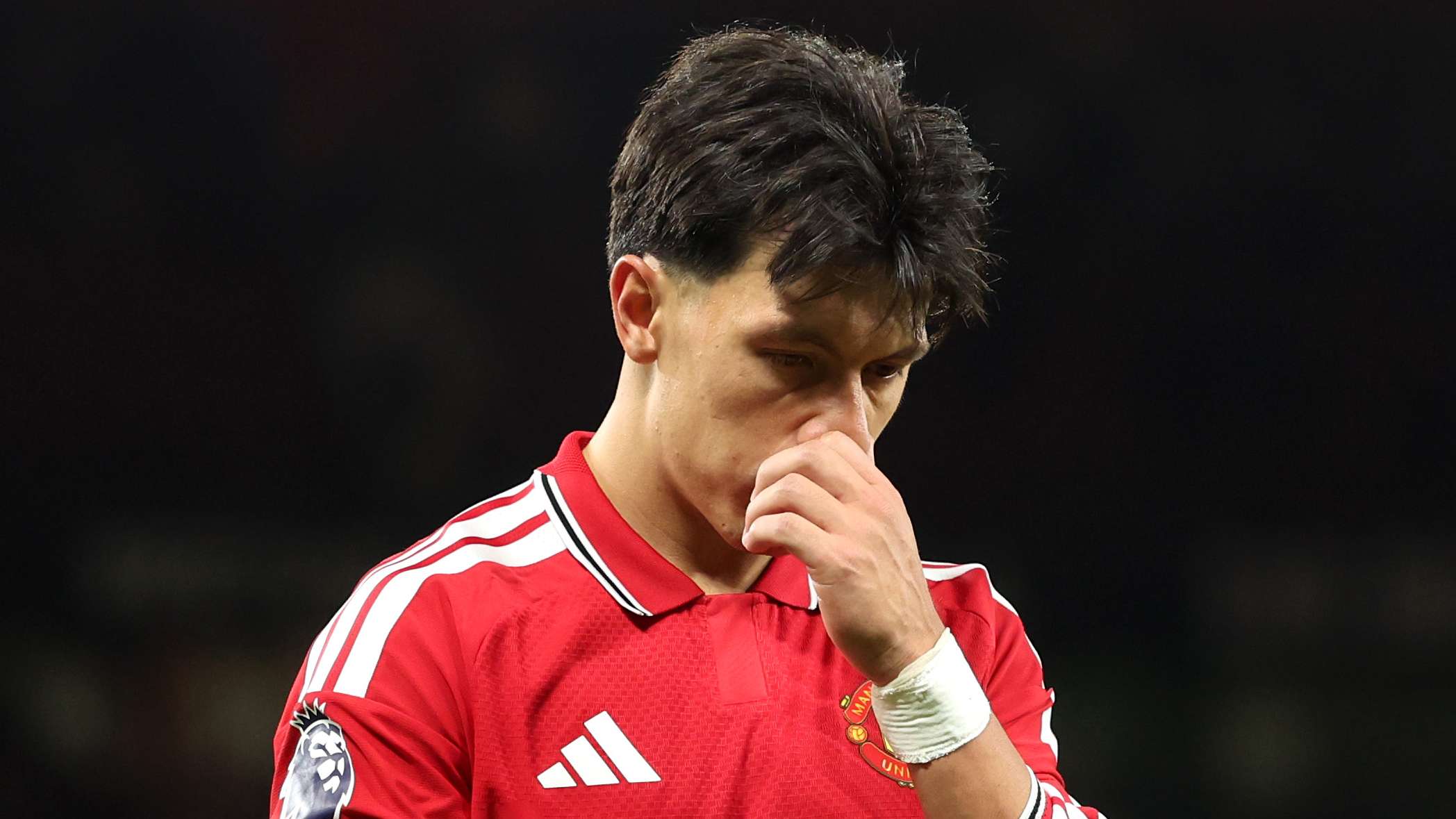

Federico Chiesa’s Liverpool Future in Doubt as January Exit Looms
Federico Chiesa’s third season at Liverpool has begun with uncertainty rather than opportunity. The Italian winger has managed only two minutes of first-team football this campaign, while a recurring back problem has disrupted his availability. He has also been left out of Liverpool’s Champions League squad, adding to the sense that his role at Anfield is becoming increasingly limited.
After resisting the idea of leaving during the previous two summer transfer windows, Chiesa is now understood to be considering a move as early as January. A return to Serie A appears to be the most plausible route, although any transfer would depend on his fitness, Liverpool’s plans and the terms available to interested clubs.
From Anfield arrival to uncertain role
Chiesa arrived at Liverpool after establishing himself as one of Italy’s most exciting attacking players. Known for his direct running, quick changes of direction and willingness to take on defenders, he brought a different profile to the Reds’ forward options. At his best, he can stretch a defence, carry the ball into dangerous areas and create chances through individual skill as well as combination play.
However, moving from a prominent role at Juventus to a new league and a highly competitive Liverpool squad was always likely to require adjustment. At Anfield, attacking places are difficult to secure, and players are expected to contribute consistently in training and matches. For Chiesa, limited minutes have made it harder to build rhythm, demonstrate his strengths and establish a dependable place in the rotation.
His current situation is particularly challenging because footballers returning from injury often need a gradual run of appearances to regain sharpness. Two minutes on the pitch offer little opportunity to influence a game or convince a manager that a player is ready for a larger role. Without regular involvement, even a talented winger can find it difficult to make a case for selection.
Fitness concerns complicate the picture
The back issue troubling Chiesa has not been fully specified, so it is difficult to assess its severity or likely duration from the outside. What is clear is that the problem has resurfaced at a time when he needs continuity. Recurring injuries can affect more than availability: they may also limit a player’s ability to train at full intensity, regain confidence in physical duels and adapt to the demands of a new tactical system.
Liverpool must balance the temptation to use Chiesa with the need to manage his condition carefully. Rushing him back could risk another setback, while keeping him on the sidelines may further reduce his chances of contributing this season. The club’s medical staff and coaching team will therefore need to judge whether he can return to full training and sustain the workload required for regular selection.
His exclusion from the Champions League squad reinforces the immediate problem. European competition can provide valuable minutes for players outside the regular starting group, but Chiesa will not have that route available in the current campaign. His opportunities are consequently more dependent on domestic fixtures, injuries elsewhere in the squad and his own progress toward full fitness.
Why a January transfer could make sense
A midseason departure may offer Chiesa a chance to reset his career in an environment where he can play more regularly. For an attacking player whose game relies on movement, timing and confidence, consistent match action can be crucial. A return to Serie A would also allow him to compete in a familiar football culture and potentially reduce the adjustment period associated with a move to another country.
That does not mean a transfer is guaranteed. Liverpool would need to decide whether they are willing to let him go, and any interested club would want assurances about his fitness. The financial structure could also prove important: a loan might give Chiesa an opportunity to rebuild form without requiring a permanent commitment, while a permanent transfer would depend on valuation, contract terms and the player’s long-term outlook.
Italian clubs may see both opportunity and risk. Chiesa’s experience at the highest level and his ability to change a game could make him an attractive addition, particularly if he can return to full health. At the same time, a prospective buyer would need to consider his recent lack of playing time and the uncertainty surrounding his back problem. A medical assessment and a clear recovery plan would likely be central to any negotiations.
What Liverpool could lose—and what Chiesa needs
For Liverpool, allowing Chiesa to leave could reduce depth in the wide attacking positions, especially during a busy schedule involving domestic and European commitments. His pace and one-versus-one ability offer qualities that can be useful against compact defences. Even when he is not a regular starter, a fit Chiesa could provide an alternative late in games or cover for injuries.
Yet squad depth only helps when players are available and able to contribute. If his fitness remains uncertain and his route into the team stays blocked, a move could benefit all parties. Liverpool might free up space in the squad, while Chiesa could pursue the regular minutes needed to rebuild form and confidence.
The key question is whether his situation can change before the January window. A return to training, improved fitness and even a brief run of domestic appearances could alter Liverpool’s assessment. Conversely, if he remains unavailable or outside the manager’s plans, the case for exploring a transfer will become stronger.
Prediction: Serie A is the likeliest next step
At this stage, a return to Italy looks like the most natural prediction for Chiesa’s next move. Familiar surroundings could help him regain momentum, and Serie A clubs may be more willing to assess a player whose potential is already well known in the country. Still, the outcome will depend on his health and whether Liverpool and a potential destination can agree on a practical deal.
Chiesa’s Liverpool chapter is not necessarily over, but the early signs make his future difficult to predict. Two minutes of football, a recurring back concern and omission from the Champions League squad leave him with a steep challenge if he hopes to revive his Anfield career. The coming weeks could determine whether he fights for a place in the Reds’ plans or uses the January window to seek a fresh start in Italian football.