
Khalaf Al Habtoor Denies Zamalek Takeover Reports
Emirati businessman Khalaf Al Habtoor has dismissed reports that he plans to buy Zamalek or invest in the Egyptian club’s football company, saying that no offer, agreement or negotiation has taken place.
The rumours, which circulated in some media outlets and on social media, suggested that Al Habtoor could provide significant financial backing to the Cairo-based club. But in a statement published on his official Facebook page, he described the claims as entirely false and said they had no connection to his plans.
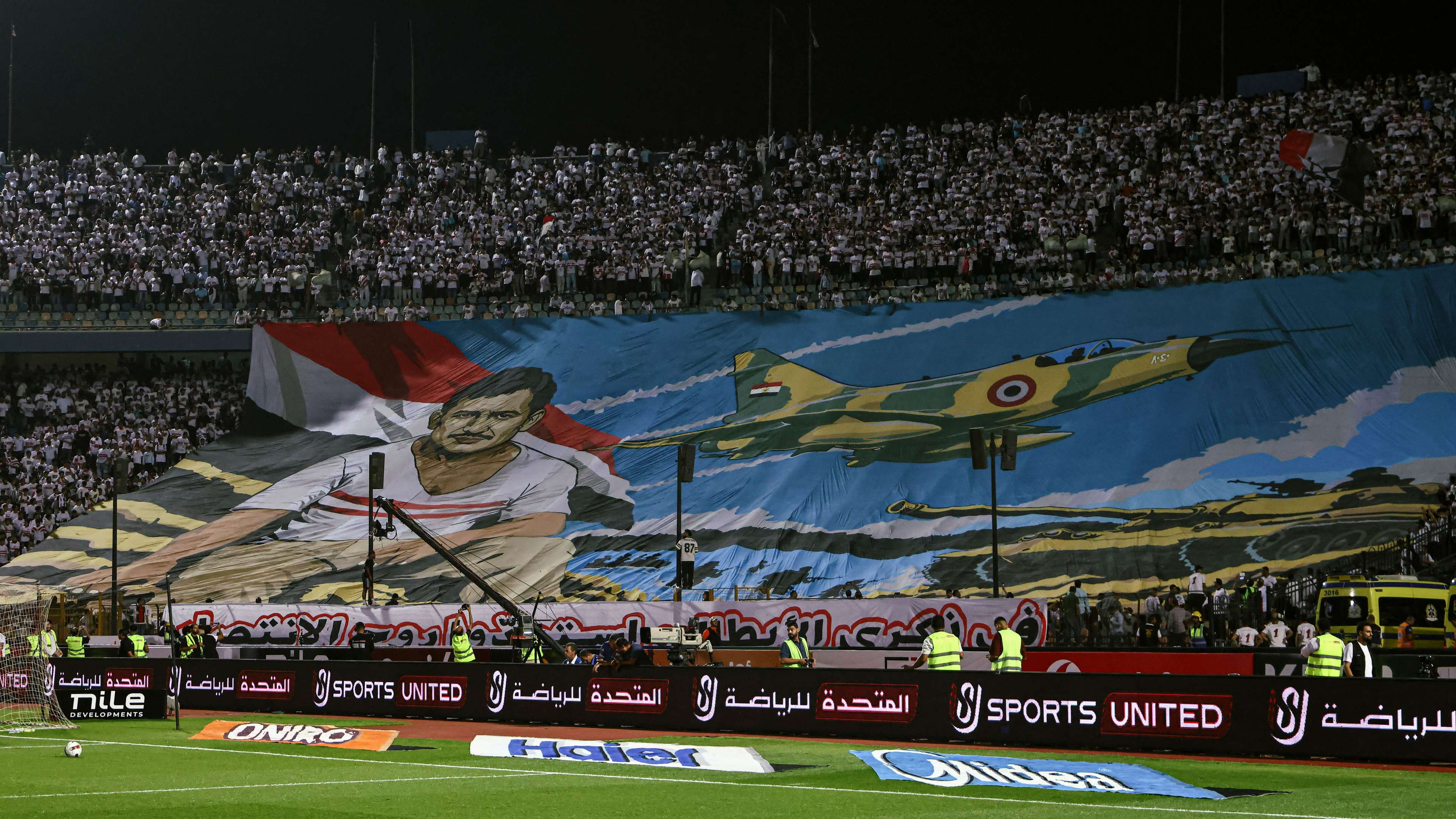
His comments put an end, for now, to speculation about a potential investment in one of Egypt’s most prominent football institutions. Zamalek, widely known as the White Castle, has a large following and a long history in Egyptian and African football, making any talk of a major investor a subject of intense interest among supporters.
Businessman Says No Offer or Talks Took Place
Al Habtoor said he had been surprised to see the reports resurface. He specifically rejected claims that he had submitted a financial proposal to purchase Zamalek or acquire a stake in its football company.
He also denied entering negotiations with the club, adding that reports about alleged sums of money or agreements were inaccurate. His statement did not point to any discussions that had fallen through; instead, he said there had been no talks on the matter at all.
The distinction is important for fans and observers following Zamalek’s finances. Rumours of outside investment can quickly prompt expectations about new spending, player recruitment and improvements to a club’s structure. Al Habtoor’s denial makes clear that his name should not be treated as evidence of an active takeover plan.
Respect for Zamalek, but No Plans to Invest in Clubs
While rejecting the investment claims, Al Habtoor was careful to express respect for Zamalek, its supporters and Egyptian sport more broadly. He described himself as a sports enthusiast and said he values the achievements of Egyptian athletes and young people.
He also referred to previous initiatives supporting sport, including recognition of Egypt’s national football team following its performance at the World Cup. Such involvement, he explained, should not be confused with buying or managing a football club.
“Supporting sport and youth is one thing, and investing in football clubs and managing them is something else entirely,” was the central message of his clarification. Al Habtoor said he does not have investments in club football, does not claim to possess the specialist expertise required to operate and develop sports organisations, and has no plans to enter that field.
That distinction reflects a broader reality in modern football: supporting athletes or celebrating national-team success is very different from taking responsibility for a club. Club investment can involve complex financial obligations, governance requirements, long-term planning and decisions about recruitment, facilities and youth development. Al Habtoor’s statement indicates that he does not intend to take on those responsibilities at Zamalek or elsewhere.
Call for Careful Reporting
Al Habtoor urged journalists and media organisations to verify information before publishing claims connected to his name, business projects or investments. He warned against presenting unconfirmed reports as established fact, particularly when they involve large financial figures or potential agreements.
His appeal is relevant in a football landscape where transfer rumours and ownership speculation can spread rapidly online. A post or unverified report may be repeated across multiple platforms before a club or individual has an opportunity to respond. For supporters, the episode is a reminder to look for direct statements and reliable confirmation before drawing conclusions about a club’s future.
Al Habtoor closed his message by expressing affection for Egypt and its people, while wishing Zamalek and the country’s other clubs continued progress and success. His remarks were supportive in tone, but they did not signal a financial commitment or future role in Egyptian football.
What the Denial Means for Zamalek
For Zamalek fans, the immediate takeaway is straightforward: there is no confirmed Al Habtoor investment to anticipate. The businessman’s statement removes him from the current conversation about potential financial backing, though it does not address the club’s wider financial or administrative challenges.
Any future investment proposal would need to be assessed on its own merits and confirmed by the relevant parties. Until then, speculation about a takeover should be separated from verified developments involving the club. That is particularly important when rumours could influence expectations around the squad, coaching plans or the club’s prospects in domestic and continental competitions.
From a football prediction perspective, the denial itself offers no new information about Zamalek’s results or sporting direction. Supporters assessing the team’s chances should focus instead on confirmed factors such as squad availability, coaching decisions, recent form and upcoming fixtures—not unsubstantiated claims about a prospective investor.
Al Habtoor’s message ultimately draws a clear line between his interest in supporting sport and any intention to own or manage a football club. He has praised Egyptian sport and conveyed his respect for Zamalek, while firmly rejecting reports of an offer, negotiations or plans to invest in the White Castle.