
Potential UEFA Sanctions Loom Over Barcelona Amid Match-Fixing Investigation
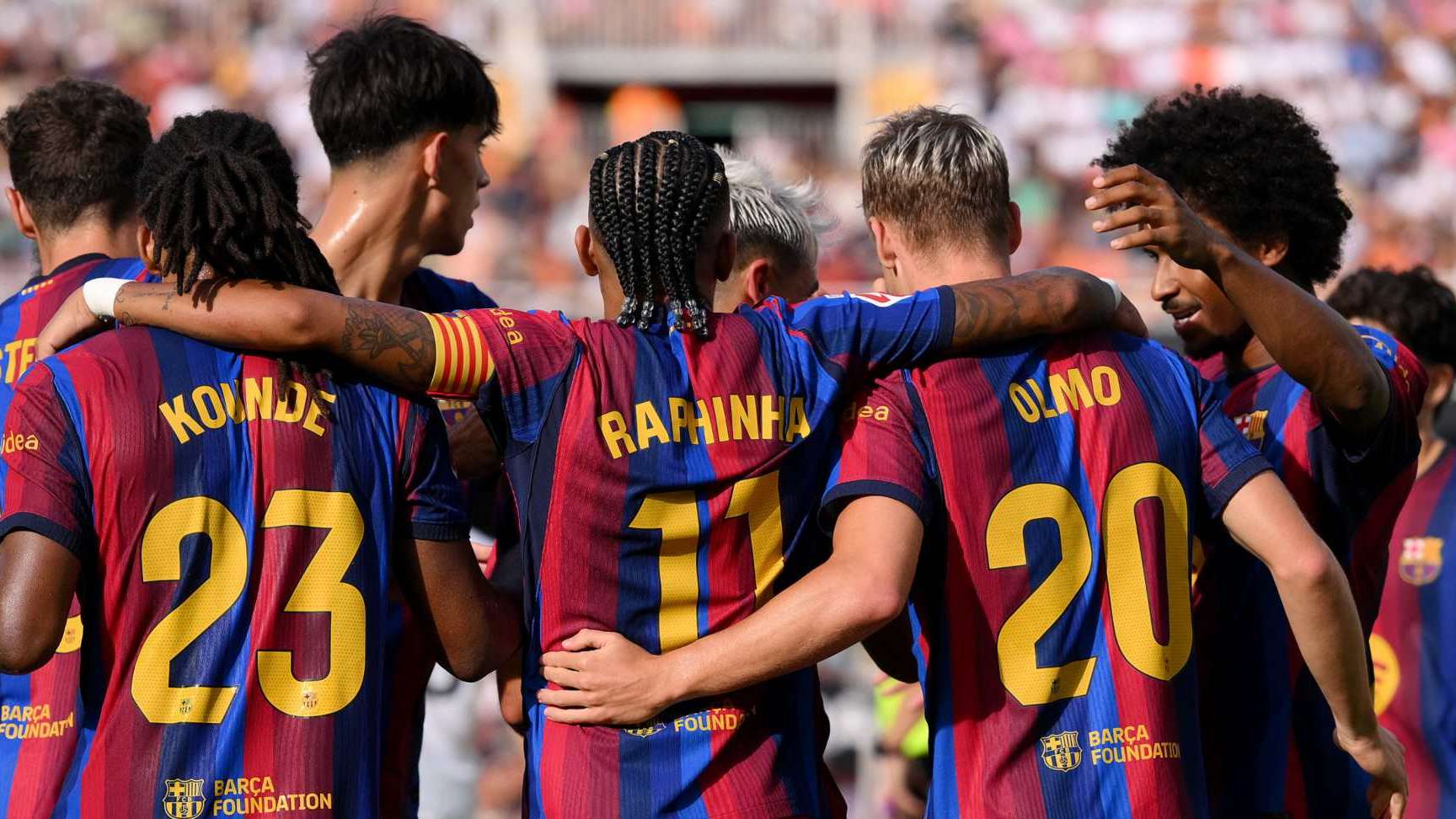
The vibrant world of football is once again at the center of intense scrutiny as FC Barcelona faces the possibility of severe European sanctions. According to authoritative reports, the Catalan powerhouse could be subjected to a full-season ban from UEFA competitions if investigations reveal that the club engaged in activities aimed at manipulating match outcomes. This development has sent shockwaves through the football community, raising questions about integrity, regulation enforcement, and the future of one of Europe’s most iconic clubs.
Understanding UEFA’s Regulatory Framework: The Power of Article Four
At the heart of this potential punishment lies Article Four of UEFA’s regulations, a comprehensive legal provision that grants the governing body the authority to sanction clubs involved in match-fixing or match-result manipulation. This article stipulates that if UEFA’s investigations determine that a club has been involved—either directly or indirectly—in activities designed to influence the outcome of matches, disciplinary action can be swiftly enacted.
According to the influential Spanish sports newspaper AS, UEFA’s Article Four empowers the organization to declare a club ineligible for its competitions for a period of up to one full football season. This means that if Barcelona is found guilty of any form of interference—whether through match-fixing, tampering, or covert influence—the club could be barred from participating in prestigious tournaments such as the UEFA Champions League or Europa League for an entire year.
The Scope and Application of UEFA’s Disciplinary Powers
One of the critical aspects of UEFA’s disciplinary process under Article Four is its autonomy and flexibility. Notably, the regulation does not require a formal court ruling before UEFA can impose sanctions. Instead, UEFA can act based on all relevant information, evidence, and circumstances it deems appropriate. This broad discretion allows the organization to respond swiftly to allegations, even if legal proceedings are ongoing elsewhere.
Furthermore, UEFA’s decision-making process can incorporate findings from various bodies, including:
- Sporting tribunals
- Arbitration panels
- Government courts
However, it’s important to note that UEFA is not bound by the conclusions of these bodies. The governing body retains the right to assess all evidence independently when determining whether sanctions are justified, ensuring that its disciplinary measures are rooted in UEFA’s own standards and investigations.
Implications for Barcelona and European Football Prediction
The potential sanctions against Barcelona are more than just a legal matter—they carry significant implications for the club’s future in European football and the broader landscape of football prediction and analysis. Fans, analysts, and betting enthusiasts are closely monitoring the case, as the outcome could drastically alter the club’s competitive prospects and the landscape of European competitions.
Barcelona’s illustrious history, filled with domestic and international triumphs, now faces an uncertain future. If UEFA concludes that the club engaged in match manipulation, it could face a one-year exclusion from European tournaments, effectively sidelining them from some of the most lucrative and prestigious competitions in world football. Such a ban would not only impact the club’s revenue and prestige but also influence the accuracy of football predictions related to their performance in upcoming seasons.
Context and Broader Impact on Football Governance
This investigation also underscores the ongoing efforts by UEFA and other governing bodies to preserve the integrity of football. Match-fixing scandals have long marred the sport, undermining the fairness that fans cherish. UEFA’s proactive stance, empowered by regulations like Article Four, aims to deter potential offenders and uphold the sanctity of competitive sport.
The case against Barcelona also highlights the complexities involved in regulating a sport as global and multifaceted as football. While UEFA’s rules afford broad powers to act swiftly, they also raise questions about due process and transparency, especially given that UEFA’s decisions do not necessarily hinge on judicial rulings. Fans and critics alike are calling for clarity and fairness as the investigation unfolds.
What’s Next for Barcelona and European Football Enthusiasts?
As UEFA continues its investigation, the football community remains on high alert. The club’s legal team is likely to scrutinize all evidence and prepare a robust defense, but the final decision will depend on UEFA’s assessment of the facts and whether they meet the criteria set out in Article Four.
In the meantime, football prediction experts are reevaluating their forecasts, considering the potential impact of a ban on Barcelona’s future performances. For fans and bettors, the unfolding situation adds a layer of unpredictability to upcoming fixtures, especially as the club’s reputation and integrity hang in the balance.
Broader Significance and the Future of Football Regulation
This incident serves as a stark reminder of the ongoing battle to maintain fair play in football. As the sport continues to grow commercially and globally, the importance of strong, clear governance becomes ever more critical. UEFA’s use of regulations like Article Four demonstrates its commitment to rooting out misconduct, but it also prompts ongoing debate about transparency, due process, and the balance of power within football’s regulatory framework.
Looking ahead, this case could set important precedent for how match-fixing allegations are handled across Europe. The decision made by UEFA could influence future policies, inspire reforms, and shape the global fight against corruption in football.
Conclusion
The potential UEFA sanctions against FC Barcelona mark a pivotal moment in European football’s ongoing quest to uphold integrity and fairness. While the investigation progresses, the football world watches with bated breath. The outcome will not only determine Barcelona’s immediate future but also reinforce the importance of robust governance and vigilant oversight in safeguarding the sport’s reputation.
As fans, analysts, and prediction enthusiasts await the final verdict, one thing remains clear: the integrity of football depends on strict adherence to rules, transparent investigations, and the collective effort to keep the beautiful game fair and competitive for generations to come.