
Michael Carrick Under Pressure as Manchester United Search for Answers
Michael Carrick’s spell in charge of Manchester United could be approaching a decisive moment. A difficult run of results has intensified scrutiny of the manager, with the team’s performances raising questions about whether he can restore consistency and meet the expectations of the club’s leadership.
United’s recent Premier League form is a major concern: the club has managed just one victory across its last six league matches. That record has left little room for optimism, particularly as performances have not consistently shown the defensive discipline, intensity or control required to turn a challenging run into a recovery.
Results and performances increase the pressure
The league struggles have been compounded by a disappointing League Cup exit. United let a two-goal advantage slip at home against Brighton before being eliminated from the competition. Losing a lead of that size is damaging in its own right, but the manner of the collapse also sharpened concerns about the team’s ability to manage momentum and respond when opponents apply pressure.
There is a broader defensive issue, too. United have yet to keep an English opponent from scoring this season, a statistic that points to problems extending beyond one bad afternoon or a single tactical mistake. Conceding regularly places extra demands on the attack, which must produce more goals simply to give the team a chance of winning.
For supporters, the pattern can be particularly frustrating: promising spells have not consistently developed into complete performances. A side may create opportunities or take an early lead, but without reliable pressing, compact defending and composure in possession, those advantages can quickly disappear. In modern football, small lapses in positioning can give opponents the space to regain control.
INEOS concerns focus on the fundamentals
According to earlier reporting by The Athletic, INEOS executives remain concerned about United’s sharpness under Carrick. The reported focus is not limited to results; it includes whether players are carrying out fundamental tasks effectively, particularly pressing opponents and closing down space.
Those details matter because pressing is a collective responsibility. One player stepping forward without support can open a passing lane, while a delayed reaction can allow an opponent to turn and attack. When the team moves together, it can win the ball higher up the pitch and reduce pressure on its defence. When the timing is inconsistent, the same approach can leave gaps that opponents are quick to exploit.
Closing down space is equally important. Defenders and midfielders need to stay connected, limit the room available between the lines and anticipate where danger may develop. If United are slow to shift across the pitch or fail to protect central areas, opponents can build attacks with too much comfort. The reported concerns therefore suggest that the debate around Carrick involves the team’s underlying habits as much as its immediate results.
Conte and Howe emerge in replacement speculation
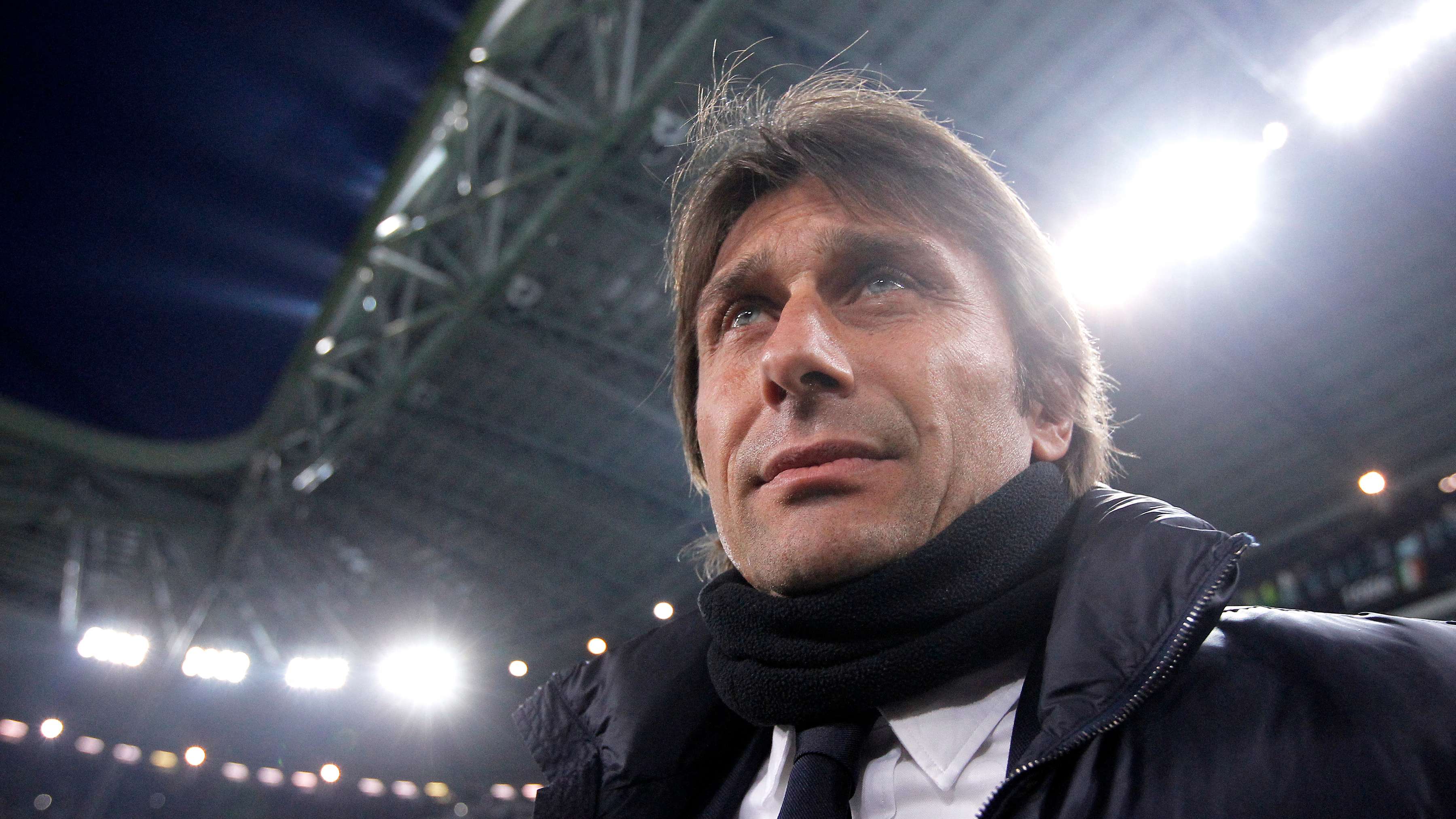
Amid the uncertainty, reports from Italy have identified Antonio Conte and Eddie Howe as leading candidates to replace Carrick if Manchester United decide to make a change. The names represent contrasting managerial profiles, and speculation about them is likely to grow whenever the club’s results remain below expectations.
Conte would bring an extensive record of winning major honours. The Italian has claimed six league titles during his managerial career and led Chelsea to the Premier League championship. His teams are commonly associated with strong organisation, demanding standards and a clear tactical structure. Those qualities could appeal to a club seeking an immediate improvement in discipline and competitive edge.
However, appointing a high-profile manager does not automatically resolve a club’s wider challenges. Any new coach would need to assess the squad, establish a system that suits its players and create consistency across multiple competitions. At a club as closely watched as United, the task would also involve managing expectations while delivering results quickly.
Howe offers a different kind of possibility. The Newcastle United manager has built a reputation for energetic teams and has experience working within the demands of the Premier League. His name in the conversation reflects the search for a coach capable of improving intensity and organisation, although reports of interest should not be treated as confirmation that a move is planned.
Conte’s comments add intrigue, not certainty
Conte also appeared to offer hints about his future during the international break, according to the original reports. Such comments can naturally fuel speculation, especially when a major vacancy is being discussed. Yet remarks made in a media setting do not necessarily indicate that negotiations are underway or that a manager is preparing to leave his current position.
For now, the central question remains what Manchester United’s decision-makers believe Carrick can achieve. A short run of poor results can be reversed, but the team will need to show more than isolated improvement. Stronger defensive organisation, better coordination when pressing and greater control after taking the lead would provide tangible evidence of progress.
What United need to show next
The coming fixtures could prove important for both Carrick and the players. United need to demonstrate that they can protect an advantage, respond calmly after conceding and maintain their intensity throughout a match. Clean sheets would be especially valuable, not only for the points they can secure but also as a sign that the defensive structure is becoming more reliable.
Ultimately, any prediction about Carrick’s future remains uncertain until the club makes its intentions clear. Conte and Howe may be prominent in the conversation, but speculation is not the same as an appointment decision. Carrick’s best response would be a sustained improvement on the pitch—one that addresses the basic concerns reported by INEOS and gives United a more stable platform for the rest of the campaign.
For Manchester United, the stakes are clear. Results matter, but so does the way the team plays. If pressing, defensive spacing and game management improve, Carrick may yet strengthen his position. If the same weaknesses continue, pressure for a change is likely to intensify.