
Zamalek Reach CAF Champions League Groups, but Ahmed Fattouh Faces More Fan Backlash
Zamalek have secured a long-awaited return to the CAF Champions League group stage, yet their qualification was overshadowed by a growing dispute between supporters and captain Ahmed Fattouh. After the final whistle in Cairo, sections of the home crowd directed hostile chants at the left-back, extending the criticism he had also faced in the club’s previous match.
The contrast was striking: the White Knights had completed their assignment, eliminated Rwanda’s APR and ended a three-year absence from the competition’s group phase. But rather than celebrating without reservation, the post-match atmosphere raised questions about why Fattouh has become a target—and whether the tension could affect Zamalek as the season gathers pace.
Zamalek Complete the Job Against APR
Zamalek booked their place in the group stage with a 1–0 win over APR in the second leg of their CAF Champions League round-of-32 tie. The Egyptian side had earned an identical victory in the first leg, meaning they advanced with a 2–0 aggregate score.
The decisive result was built on control and defensive discipline rather than a high-scoring spectacle. With a narrow advantage to protect, Zamalek needed to avoid giving APR a route back into the contest. Their second clean-sheet victory ensured the Rwandan side could not overturn the deficit and gave the Cairo club the outcome it needed.
For Zamalek, the qualification carries significance beyond one successful tie. The club had spent the previous three seasons competing in the CAF Confederation Cup instead of Africa’s premier club competition. During that period, they won the Confederation Cup once and finished as runners-up on another occasion, but a return to the Champions League represents a fresh test against the continent’s strongest teams.
Supporters Turn Their Anger on Ahmed Fattouh
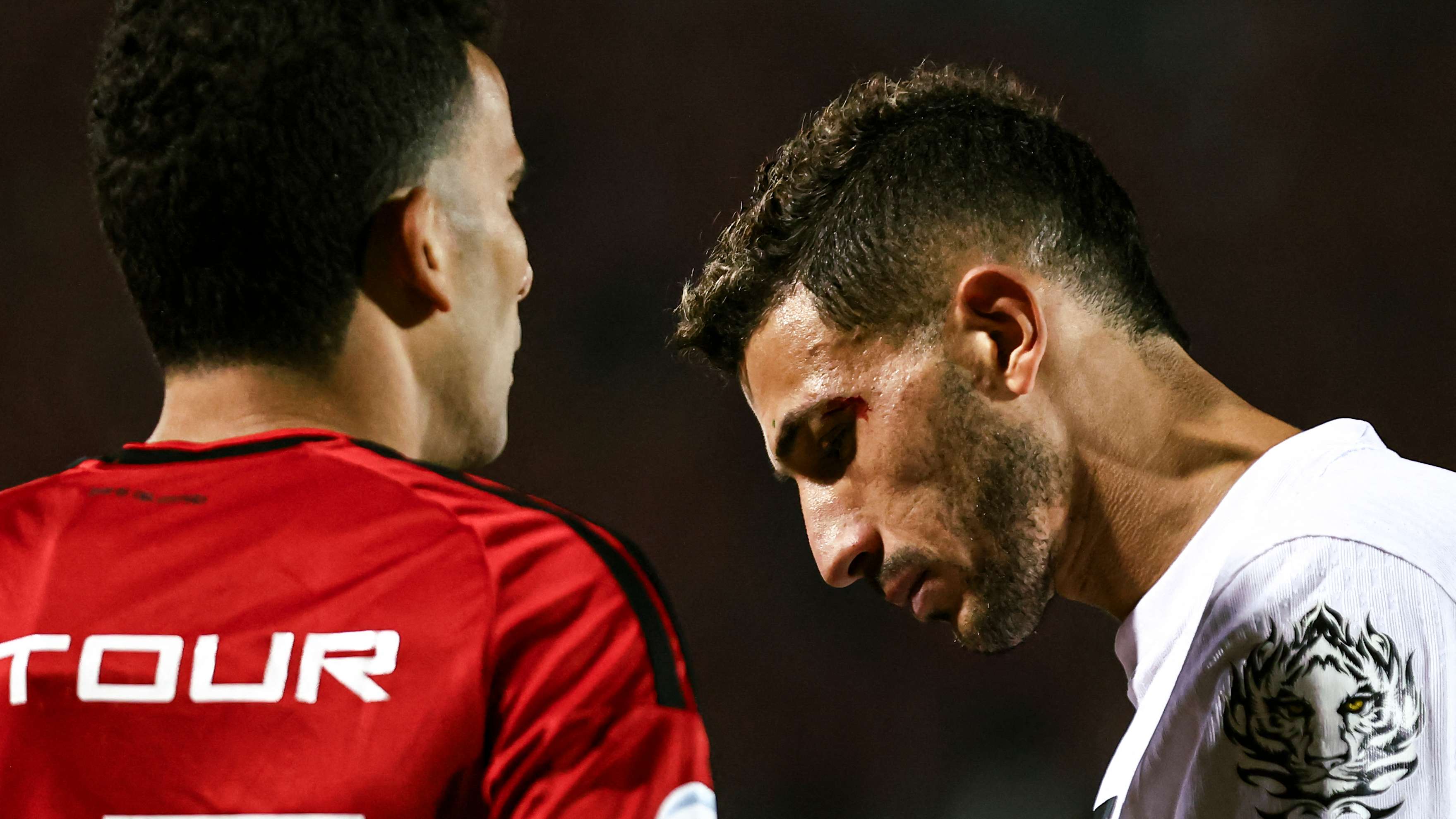
Despite the positive result, the mood inside Cairo International Stadium became tense after the match. Zamalek supporters directed hostile chants at Fattouh, who appeared visibly angry as the criticism continued. The incident was notable not only because it followed a victory, but because it was the second consecutive game in which fans had targeted the Egypt international.
Similar abuse was heard during Zamalek’s previous fixture against Petrol Asyut in the Egyptian league. The reason for the repeated reaction has not been clearly established, leaving supporters and observers to question what has fuelled the discontent. Without a confirmed explanation, it would be premature to attribute the chants to one specific incident or performance.
Fattouh is an established member of the squad and a prominent figure in the team, making the public nature of the confrontation particularly striking. A captain is expected to help set standards on the pitch and represent the club during difficult moments, but that role can also bring greater scrutiny when supporters are dissatisfied. The coming matches may show whether the episode fades or becomes a larger issue around the team.
Why the Fan Reaction Matters
Football crowds can respond emotionally to individual performances, selection decisions, perceived effort or wider concerns about a club’s direction. However, when criticism is repeated, it can influence the atmosphere around a player and create additional pressure for both the individual and the coaching staff. In Fattouh’s case, the lack of a clear public explanation makes the situation harder to assess.
For Zamalek, managing the matter calmly will be important. The club has achieved a major continental objective, but a prolonged dispute between a key player and the supporters could distract from preparations for the group stage and domestic fixtures. Team unity is especially valuable in African competition, where travel, demanding schedules and strong opponents can test a squad’s concentration.
The incident also highlights the fine line between passionate support and personal hostility. Fans have a powerful role in creating a home advantage, particularly at Cairo International Stadium, but sustained targeting of a player can shift attention away from the team’s progress. How Fattouh responds—and whether the club or coaching staff addresses the atmosphere—will be watched closely.
Continental Progress, Domestic Pressure
Zamalek’s Champions League return arrives while the club remains involved in a competitive Egyptian Premier League campaign. They currently sit third with 16 points, five behind leaders Pyramids and one point below second-placed Al Ahly. The standings leave little room for complacency, with the title race already demanding consistency.
That domestic context adds another layer to the club’s season. Zamalek must balance league ambitions with the demands of a continental campaign, while maintaining squad depth and keeping important players focused. A successful run in Africa could build confidence, but dropped league points or internal tension could quickly increase the pressure.
The next phase of the Champions League will offer a more demanding measure of Zamalek’s progress. The group stage brings a longer campaign and opponents with varied playing styles, requiring tactical flexibility and reliable performances across home and away matches. Qualification is an achievement, but it is also the start of a new challenge.
What Comes Next for the White Knights?
Zamalek’s immediate priority is to turn qualification into momentum. Their two narrow wins over APR showed that they can manage a knockout tie, but the group stage will require greater consistency and the ability to create chances against stronger opposition. The coaching staff will also need to keep the squad focused as domestic and continental commitments overlap.
As for Fattouh, the attention will now shift to his response on the pitch and the atmosphere at upcoming matches. A strong performance could help ease tensions, although the underlying reasons for the crowd’s reaction remain unclear. Any prediction about how the relationship will develop should therefore be cautious until more information emerges.
For now, Zamalek can celebrate ending their three-year wait for a place in the CAF Champions League group stage. Yet the scenes after the APR match show that qualification alone has not settled every concern around the club. The White Knights have made an important step in Africa; their next test will be to carry that progress forward while restoring calm and unity at home.