
Spanish Football Faces a New Crisis After Tebas’ Nazi Propaganda Comparison
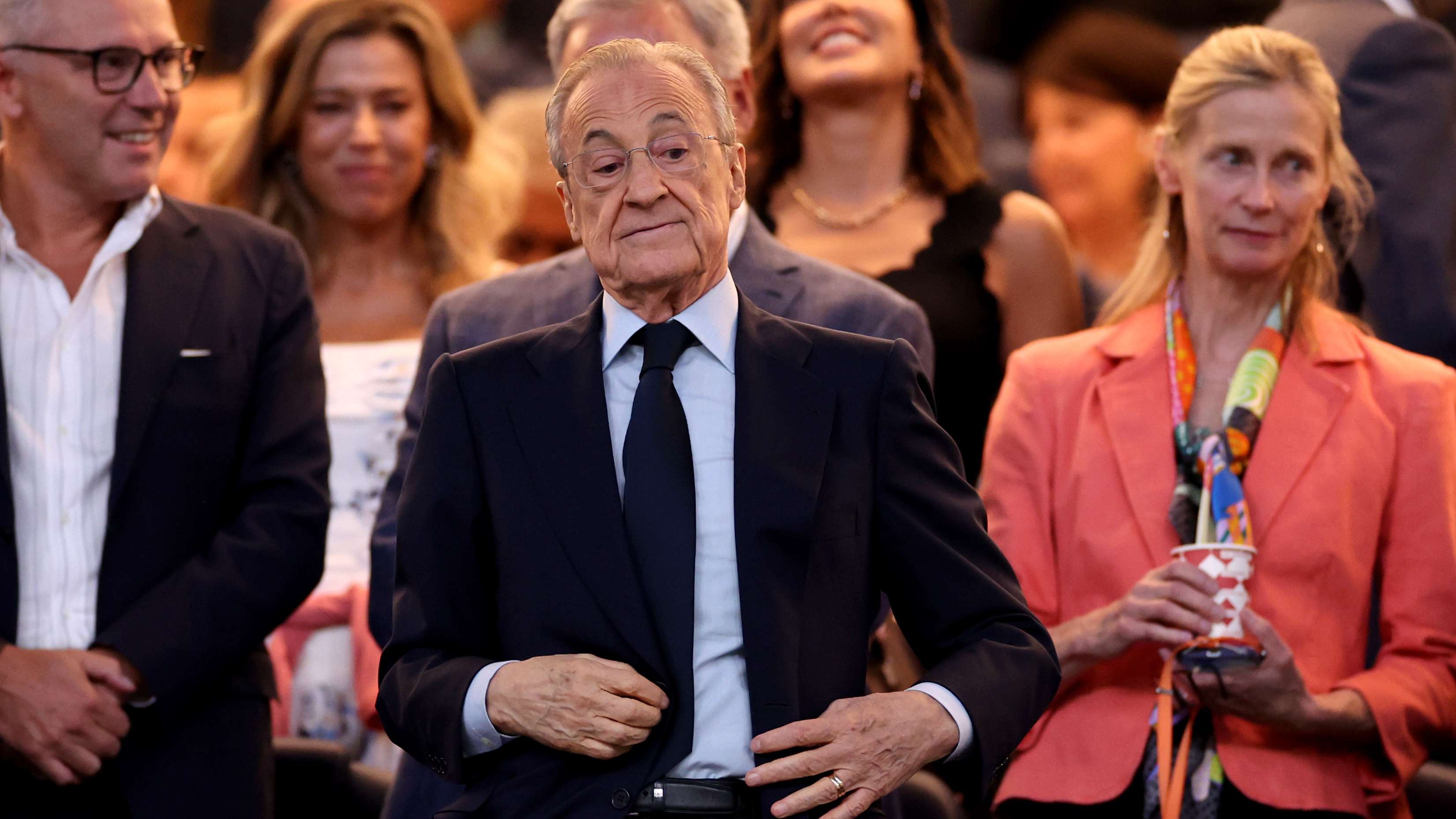
Spanish football is bracing for a potentially significant institutional dispute after La Liga president Javier Tebas compared the messaging of Real Madrid’s television channel to propaganda techniques used by Nazi Germany. The remarks prompted an angry response from the club and have drawn the attention of Spain’s National Sports Council, which is considering whether to take action on its own initiative.
The controversy began with a post Tebas published on social media on Friday. He accused Real Madrid’s media operation of presenting the club as a constant victim, selecting incidents that support its grievances while leaving out context that could help audiences assess what happened. Real Madrid rejected that characterization and demanded that Tebas resign from both his La Liga role and his position as vice-president of the Royal Spanish Football Federation.
What Tebas said about Real Madrid TV
In his post, Tebas argued that Real Madrid’s leadership promotes a coordinated narrative through a group of official voices, with the club’s television channel at its centre. He said the approach involves highlighting convenient events, repeatedly returning to perceived injustices, casting doubt on opponents and presenting accusations in a way that supports the club’s position.
Tebas then made the comparison that ignited the dispute. He said the method recalled propaganda mechanisms associated with Joseph Goebbels, Nazi Germany’s propaganda minister, citing the repetition of claims, the creation of an enemy and the subordination of facts to a preferred narrative. Tebas later stressed that he was referring to propaganda techniques—not Nazi ideology or Real Madrid supporters.
That distinction has not eased the backlash. The historical reference carries exceptional weight, particularly in a football environment where disagreements over refereeing, media coverage and institutional influence already generate intense public debate. Tebas’s critics argue that language of this kind is inappropriate for someone holding senior positions in Spanish football, regardless of the clarification that followed.
Real Madrid calls for Tebas to resign
Real Madrid responded with a strongly worded official statement, categorically rejecting Tebas’s comments and demanding his immediate resignation from both leadership positions. The club described him as “a genuine scourge on Spanish football” and said the episode represented a serious breach of institutional standards.
The statement argued that a person occupying two prominent roles in the sport should not compare a club’s communications with propaganda methods used by the Nazi regime. Real Madrid called the remarks deeply offensive, morally repugnant and institutionally improper, adding that Tebas’s explanation did not make them acceptable.
The club’s response turns the disagreement into more than another exchange between rivals. Tebas leads La Liga, the organisation responsible for managing Spain’s top professional divisions, while Real Madrid is one of its most influential member clubs. His additional role as vice-president of the Spanish football federation adds another layer to the question of how the comments may be viewed by football authorities.
Why the National Sports Council’s role matters
The National Sports Council is now weighing whether to intervene on its own initiative. Its consideration of the matter does not, by itself, mean that disciplinary action has been decided or that Tebas will be removed from either post. It does, however, signal that the dispute has moved beyond club-versus-league rhetoric and into a wider discussion about governance, accountability and conduct in Spanish sport.
Any official response will depend on the relevant rules, the authority’s assessment of the statements and the process available to it. The next steps could therefore be as important as the initial comments: investigators or officials may need to determine whether the remarks fall within their remit and what, if any, consequences are appropriate.
For supporters, the episode also raises a broader issue: how football leaders should communicate when relationships between clubs and governing bodies are already strained. Strong criticism is common in elite sport, especially when clubs believe decisions or media coverage are unfair. But comparisons involving the Nazi regime can rapidly overshadow the original argument and make constructive discussion more difficult.
A dispute with consequences for Spanish football
The immediate focus is on whether the National Sports Council will take formal action and whether Tebas will respond to Real Madrid’s demand that he step down. The confrontation may also affect relations between La Liga and the club, with future public statements likely to be scrutinised for signs of escalation or an attempt to restore dialogue.
The dispute comes at a time when football institutions face growing pressure to explain their decisions clearly and maintain public confidence. Clubs use their own media channels to communicate directly with supporters, while leagues and federations must balance criticism with the responsibility to protect the credibility of competitions. That tension is not unique to Spain, but the scale of the row makes it especially significant in one of Europe’s most closely followed football markets.
For now, there is no confirmed outcome from the National Sports Council, and the public exchange has not settled the underlying disagreement over Real Madrid’s media coverage. Instead, it has opened a new front in the relationship between Tebas and the club—one centred on language, leadership and the standards expected of senior figures.
What to watch next
The key developments will be whether the council announces a formal review, how Tebas answers Real Madrid’s resignation demand and whether the league or federation issues further guidance. Those decisions could shape the next phase of the conflict and influence how similar disputes are handled in Spanish football.
As the story develops, the most useful prediction is that institutional clarity will matter more than another round of personal attacks. A transparent process could help limit speculation; a prolonged public feud may deepen divisions between the league and one of its most prominent clubs. Either way, the episode has become a major test of leadership and communication in Spanish football.