

The Evolution of Fullbacks in the USMNT: A Look Ahead to the 2026 World Cup
With the highly anticipated 2026 World Cup just around the corner, football fans are eager to see how the U.S. Men’s National Team (USMNT) will fare on the world stage. One key aspect that has caught the attention of many is the state of the outside backs in the U.S. pool.
The role of a fullback has undergone significant changes in recent years, reflecting the evolution of modern football tactics. Fullbacks are no longer just defensive stalwarts; they are now expected to contribute offensively by providing width in attack and supporting the team’s overall strategy. The ability to adapt to the pace and flow of the game has become a crucial requirement for modern-day fullbacks.
The Shift to Wingbacks: Adapting to a Three-at-the-Back System
For the USMNT, the role of fullbacks has taken on a new dimension in recent months with a tactical shift to a three-at-the-back system. This change has transformed traditional fullbacks into wingbacks, expanding their responsibilities and creating new opportunities to impact the game.
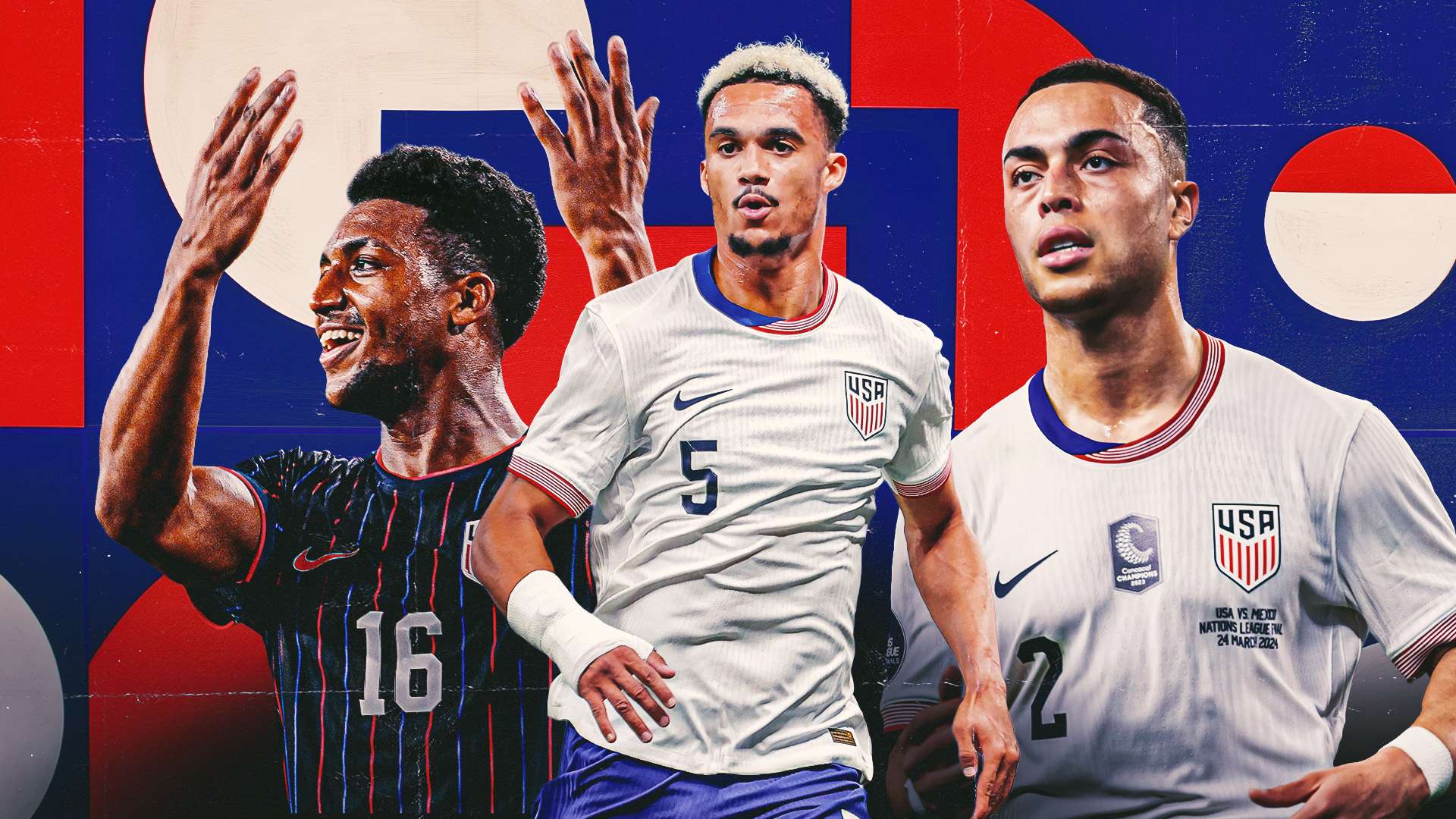
Fortunately, the U.S. player pool boasts a wealth of talent suitable for these dynamic wingback roles. Established World Cup veterans like Antonee Robinson and Sergino Dest continue to impress, while emerging talents from Major League Soccer (MLS) such as Alex Freeman are making their case for a spot on the national team. Additionally, versatile attackers like Tim Weah could also provide valuable options on the flanks, depending on the strategic decisions of head coach Mauricio Pochettino.
The Strength of Options: A Bright Future for USMNT Fullbacks
What sets the current state of the fullback position apart is the abundance of quality options available to the USMNT. What was once a potential area of concern has now become a notable strength for the team, showcasing the depth and versatility of players capable of excelling in the wingback role.
As the year 2025 draws to a close, GOAL is delving into the State of the USMNT, examining the positional battles that will shape the team for the upcoming World Cup. The spotlight is now on the fullbacks, highlighting the competition and talent within this critical position group.
Stay tuned for the next installment of our series as we explore the key players and storylines shaping the USMNT’s journey to the 2026 World Cup. From goalkeepers to fullbacks, each position will play a pivotal role in determining the success of the team on the global stage.
As anticipation builds for the 2026 World Cup, football enthusiasts are eager to witness the evolution of the USMNT and the impact of its talented fullbacks. With a mix of experienced veterans and promising newcomers, the future looks bright for the U.S. team as they prepare to compete against the world’s best.
The Importance of Fullbacks in Modern Football
Fullbacks have become integral to the success of top football squads worldwide. Their ability to contribute both defensively and offensively adds a new dimension to the game. In today’s fast-paced and dynamic football landscape, fullbacks are often the key to unlocking defenses and creating goal-scoring opportunities. They are now considered as much attackers as defenders, requiring a unique blend of skills that few players possess.
With the evolution of tactics and formations, fullbacks have had to adapt to new roles and responsibilities. The shift to a three-at-the-back system, as seen in many top teams globally, has placed a greater emphasis on the attacking capabilities of fullbacks. This development has led to the rise of the wingback position, where players need to be just as comfortable pushing forward to support the attack as they are in defending their own goal.
Strategic Considerations for the USMNT
As the USMNT prepares for the 2026 World Cup, head coach Mauricio Pochettino faces critical decisions regarding the team’s tactical approach. The choice between utilizing traditional fullbacks or adopting a wingback system will depend on various factors, including the strengths of individual players, opponent analysis, and game-specific strategies.
Incorporating players like Antonee Robinson and Sergino Dest, who are comfortable in both defensive and attacking roles, could provide the USMNT with a versatile and potent wingback pairing. Their experience on the international stage and familiarity with high-pressure matches can be invaluable assets in a major tournament like the World Cup.
On the other hand, young talents like Alex Freeman bring a fresh perspective and energy to the team. Their hunger to prove themselves on the global stage could inject a new level of dynamism and unpredictability into the USMNT’s play. Pochettino will need to balance the mix of experienced veterans and emerging stars to create a cohesive and competitive squad for the World Cup.
Looking Ahead to Success in 2026
With the 2026 World Cup on the horizon, the USMNT has the opportunity to showcase its evolution and progress in the world of football. The depth and quality of fullbacks available to the team position them well for success on the international stage. As the competition heats up and the stakes get higher, the performance of fullbacks will be crucial in determining the team’s fate in the tournament.
Football enthusiasts can expect an exciting display of talent and determination from the USMNT’s fullbacks as they strive to make their mark on the global stage. The evolution of the fullback position within the team reflects the broader trends in modern football, where versatility and adaptability are key to achieving success at the highest levels of the game.
As the countdown to the 2026 World Cup continues, all eyes will be on the USMNT’s fullbacks as they look to play a defining role in the team’s quest for glory. The evolution of these players and their impact on the game will be a captivating storyline to follow as the tournament unfolds.
By exploring new insights and strategic considerations for the USMNT’s fullbacks, this expanded content provides a deeper understanding of the evolving role of these players in modern football and their significance in the team’s pursuit of success at the 2026 World Cup.