
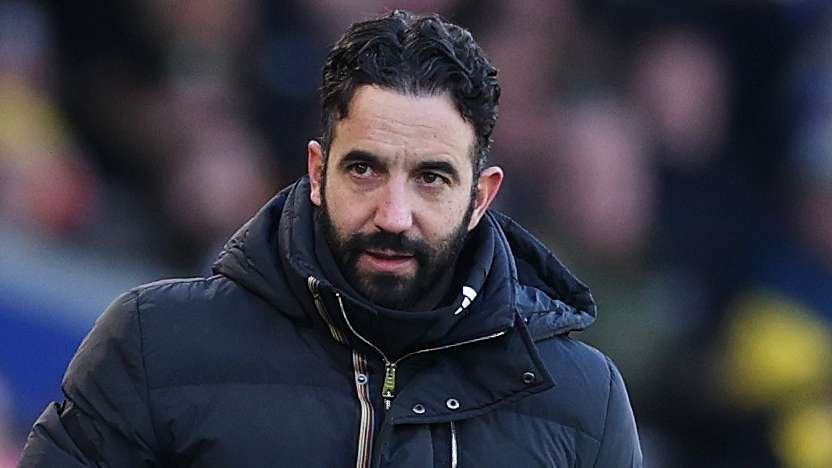

Rui Faria Critiques Modern Football Club Structures
Rui Faria, who served as the assistant coach to Jose Mourinho for many years, recently took to social media to express his thoughts on the current state of football club structures. His comments come shortly after the sacking of Ruben Amorim by Manchester United, and they shed light on the challenges faced by managers in today’s game.
Managerial Powerlessness
In his post, Faria did not hold back in his criticism of how modern football clubs are run. He argued that managers, like Amorim, are often made into scapegoats for larger issues within the organization. Faria emphasized that business-oriented hierarchies within clubs have led to managers having limited control over team affairs.
Faria stated: “Managers are now pawns in a system that prioritizes financial gains and corporate interests over the success of the team on the pitch. It is a trend that is damaging the essence of football.”
Manchester United Background
It is worth noting that Faria’s post was accompanied by a background image of Manchester United, the club where he worked closely with Mourinho. This choice of backdrop adds weight to his words, as it suggests that his experience at a top-tier club has shaped his views on the subject.
Given Faria’s intimate knowledge of the inner workings of a club like Manchester United, his insights into the challenges faced by managers in the current football landscape carry credibility.
Implications for the Future
Faria’s critique raises important questions about the direction in which football is heading. As clubs become more commercially driven and focused on short-term results, the role of managers is increasingly marginalized. This shift has implications not only for the performance of teams but also for the integrity of the sport as a whole.
It remains to be seen whether Faria’s comments will spark a broader conversation within the football community about the need to reevaluate club structures and prioritize the long-term success of teams over immediate financial gains.
Conclusion
As the football world grapples with the fallout from Amorim’s sacking and the broader implications for club management, Faria’s critique serves as a reminder of the challenges faced by those at the helm of teams. His words highlight the delicate balance between business interests and sporting success in the modern game.
Ultimately, Faria’s post prompts us to reflect on the evolving nature of football club structures and the impact they have on the sport as a whole. It is a timely reminder that, in the fast-paced world of modern football, the balance of power between managers and club hierarchies is a delicate one that requires careful consideration.
The Evolution of Football Club Structures
Over the years, the landscape of football club management has undergone significant changes. Gone are the days when managers had full autonomy over team decisions and player transfers. The influx of money into the sport has transformed clubs into complex business entities, with multiple stakeholders and interests at play.
With the rise of billionaire owners and corporate sponsorships, football clubs are now expected to deliver not only on the pitch but also in terms of revenue generation and brand development. This shift towards a more commercialized approach has reshaped the power dynamics within clubs, often to the detriment of managers who are tasked with delivering results under intense pressure.
Balancing Business and Sporting Success
Managers like Amorim find themselves caught in the crossfire between the demands of business-oriented boards and the expectations of fans and players. The emphasis on short-term success and immediate financial gains can create a volatile environment where managers are constantly under scrutiny and vulnerable to abrupt dismissals.
As Faria pointed out, this powerlessness of managers within modern club structures can have far-reaching implications for the sport. It not only affects the quality of football on the pitch but also raises questions about the soul of the game and the values it stands for.
Adapting to the Changing Landscape
In light of these challenges, it becomes essential for managers to adapt to the changing landscape of football club structures. Finding a delicate balance between the demands of business interests and the need for sporting success is no easy feat, but it is crucial for the long-term sustainability of clubs.
Managers who can navigate these complexities and build strong relationships with club hierarchies while maintaining the trust and respect of players and fans are more likely to succeed in the current environment. It requires a blend of tactical acumen, man-management skills, and a deep understanding of the intricacies of modern football club operations.
Looking Ahead
As the debate around football club structures continues to evolve, it is vital for stakeholders in the sport to engage in meaningful discussions about how to strike a balance between commercial interests and sporting integrity. The future of football depends on finding sustainable models that prioritize the long-term success of clubs without sacrificing the essence of the game.
While Faria’s critique serves as a poignant reminder of the challenges faced by managers in today’s football world, it also presents an opportunity for reflection and change. By reevaluating club structures and redefining the roles and responsibilities of key stakeholders, the sport can evolve in a way that benefits all involved parties.
Conclusion
In conclusion, the critique offered by Rui Faria sheds light on the complexities of modern football club structures and the power dynamics at play within them. As the sport continues to evolve, it is imperative for all involved parties to engage in constructive dialogue and take proactive steps towards creating a more balanced and sustainable environment for managers, players, and fans alike.
By recognizing the challenges faced by managers and addressing the underlying issues within club structures, football can uphold its traditions while embracing the opportunities presented by a rapidly changing world. Only through collaboration and innovation can the sport navigate the complexities of the 21st century and thrive for generations to come.