
Manchester United Boss Criticized by Legend Over Treatment of Young Player
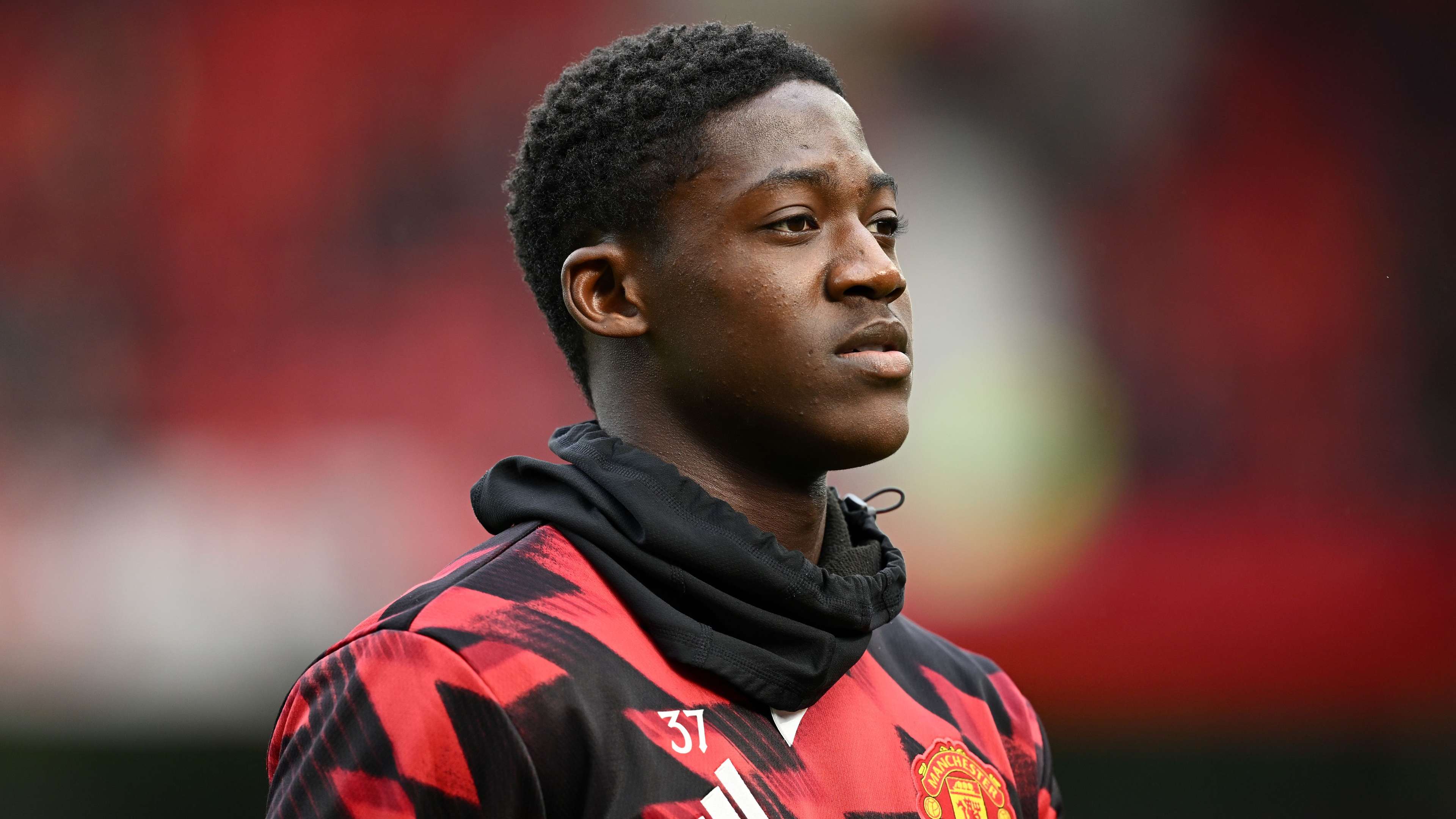
Manchester United manager Ruben Amorim is facing criticism from club legend Paul Scholes over his handling of young player Kobbie Mainoo. Scholes expressed concerns about Mainoo’s treatment and suggested that the player could consider leaving the club if the situation does not improve.
Scholes’ Criticism
Paul Scholes, a former Manchester United midfielder and legend at Old Trafford, recently took to social media to voice his displeasure over the way young talent Kobbie Mainoo is being managed by manager Ruben Amorim. Scholes criticized Amorim’s claims that Mainoo is a “starter” for the team, despite the fact that the 20-year-old has not started a single league game for the club this season.
Scholes’ post on social media was filled with expletives, highlighting his frustration with the situation and raising concerns about the future of the promising young player at Manchester United. The legendary midfielder’s comments have sparked a debate among fans and pundits, with many questioning Amorim’s decision-making when it comes to Mainoo’s development.
Implications for Mainoo
The criticism from Paul Scholes has put the spotlight on Kobbie Mainoo and raised questions about his future at Manchester United. The young player, who is highly rated within the club’s youth system, has yet to make a significant impact on the first team under Amorim’s management.
Mainoo’s potential departure from the club is now a topic of discussion among fans and experts, with many speculating on the possible destinations for the talented midfielder if he decides to seek opportunities elsewhere. The handling of Mainoo’s career by the Manchester United boss has become a point of contention, with critics questioning Amorim’s ability to nurture young talent within the squad.
Response from the Club
Manchester United have so far not commented on the criticism from Paul Scholes or the speculation surrounding Kobbie Mainoo’s future at the club. It remains to be seen how the situation will be addressed internally and whether any changes will be made to ensure the young player’s development is prioritized.
As the debate continues to unfold, fans and observers will be keeping a close eye on how Ruben Amorim and Manchester United handle the situation with Kobbie Mainoo. The pressure is on the manager to address the concerns raised by Scholes and demonstrate his commitment to nurturing young talent within the squad.
Conclusion
In conclusion, the criticism from Paul Scholes has brought attention to the handling of young player Kobbie Mainoo by Manchester United boss Ruben Amorim. The situation has raised questions about the player’s future at the club and the manager’s approach to developing talent within the squad. As the debate continues, all eyes will be on how the club responds to the concerns raised and what the implications might be for Mainoo’s career moving forward.
Manchester United’s History with Young Players
Manchester United has a long history of nurturing young talent and giving them the opportunity to shine on the big stage. The club’s famed youth academy has produced some of the biggest names in football, including the Class of ’92 featuring players like David Beckham, Ryan Giggs, and Paul Scholes himself. The emphasis on developing homegrown players has been a key part of Manchester United’s identity, with fans expecting to see promising young talents given a chance to prove themselves in the first team.
Over the years, the club has had a reputation for promoting youth players and integrating them into the senior squad seamlessly. However, recent years have seen a shift in this approach, with managers under pressure to deliver immediate results often opting for experienced players over youngsters. This shift in focus has raised concerns among fans and former players, who fear that the club’s tradition of developing young talent may be fading away.
The Challenges of Managing Young Players
Managing young players in a high-pressure environment like Manchester United comes with its own set of challenges. Balancing the need for immediate results with the long-term development of promising talents can be a delicate task for any manager. While some players may thrive under the pressure and expectations, others may struggle to cope with the demands of playing for a top club like Manchester United.
In the case of Kobbie Mainoo, the pressure to perform and live up to the expectations of being labeled as a “starter” by the manager could be weighing heavily on the young player. The scrutiny and criticism that come with being in the spotlight at such a young age can impact a player’s confidence and development, making it crucial for managers to handle them with care and guidance.
The Role of Managers in Developing Young Talent
Managers play a crucial role in the development of young players, shaping their careers and guiding them through the challenges of professional football. It is essential for managers to strike a balance between pushing young talents to fulfill their potential and providing them with the support and encouragement they need to succeed.
In the case of Ruben Amorim and Kobbie Mainoo, the manager’s approach to handling the young player will be under scrutiny as fans and pundits assess whether he is able to effectively nurture talent within the squad. The criticism from Paul Scholes highlights the importance of proper management of young players and the impact it can have on their careers.
The Future of Kobbie Mainoo
As speculation grows about Kobbie Mainoo’s future at Manchester United, the young player will have important decisions to make regarding his career. Whether he stays and fights for his place in the first team or decides to seek opportunities elsewhere, Mainoo’s development will be closely watched by fans and experts alike.
If Mainoo does decide to leave the club in search of more playing time and opportunities to showcase his talent, there will no doubt be a queue of clubs interested in acquiring the services of the promising midfielder. The handling of Mainoo’s situation by Manchester United and Ruben Amorim could have a significant impact on the player’s career trajectory and future prospects in the world of football.
Conclusion
In conclusion, the criticism from Paul Scholes has shed light on the challenges of managing young talent at a top club like Manchester United. The situation with Kobbie Mainoo has sparked a debate about the club’s approach to developing young players and the role of managers in guiding their careers. As the drama unfolds, the spotlight will remain on Mainoo and how his future at the club will be shaped by the decisions made by both the player and the management.
Ultimately, the handling of young players like Kobbie Mainoo will be a test for Manchester United and their commitment to preserving the tradition of promoting youth talent within the club. The outcome of this situation could have far-reaching implications for both the player and the club, underscoring the importance of proper management and support for young talents in the world of football.