
Unpacking the Controversy: Did Gianni Infantino Help Manchester City and Paris Saint-Germain? A Deep Dive into the Football Investigation
The world of football is no stranger to scandals, and recent revelations have once again thrown the sport into turmoil. At the heart of this controversy lies Manchester City’s recent conviction for breaches of financial regulations, alongside allegations involving Paris Saint-Germain (PSG). The unfolding story raises critical questions about transparency, governance, and the influence of powerful figures like FIFA President Gianni Infantino. This article delves into the latest behind-the-scenes details, exploring the implications for the football community and offering insights into how these revelations could reshape the sport’s future.
The Manchester City Financial Breach: A Landmark Decision
In a significant development, an independent commission recently found Manchester City guilty of multiple violations related to the Premier League’s financial rules. The misconduct spans nine seasons, from the 2009/2010 campaign through to 2017/2018, highlighting a pattern of alleged financial misconduct that has shocked football fans worldwide. The commission’s findings indicate that the club engaged in practices that obscured true financial data, potentially gaining unfair competitive advantages.
Furthermore, Manchester City was also found guilty on three of four charges concerning their failure to cooperate with the league’s investigation. This non-compliance only compounded the severity of their violations, raising fears of potential sanctions that could include hefty fines, points deductions, or even a ban from European competitions like the Champions League.
Behind the Curtain: The Role of Football Leaks and Rui Pinto
The investigation’s roots trace back to the explosive revelations by “Football Leaks” in 2018, a series of leaked documents exposing financial irregularities at top European clubs. Central to these leaks was Rui Pinto, the whistleblower and founder of the platform. Pinto’s disclosures shed light on the murky financial dealings of clubs like Manchester City and PSG, igniting a storm of scrutiny across football’s governing bodies.
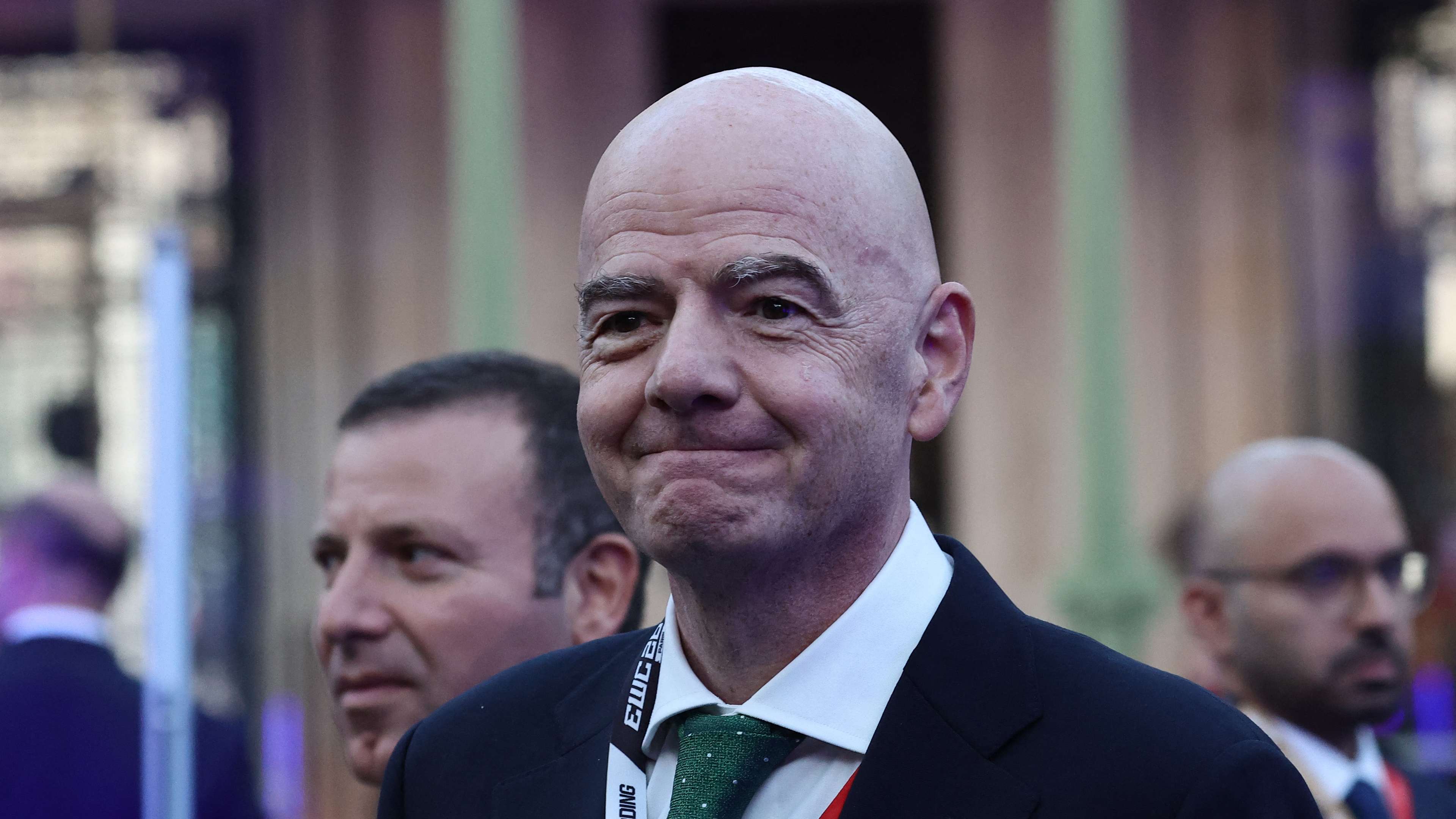
Recently, Pinto has intensified his critique, claiming that high-level officials within FIFA knew about these breaches long before they became public. In a series of statements shared on social media platform “X,” Pinto asserts that Gianni Infantino, then UEFA’s general secretary and now FIFA’s president, was aware of the misconduct involving Manchester City and PSG in 2014. This assertion raises profound questions about the integrity of football’s leadership and the transparency of investigations into financial misconduct.
Did Infantino Obstruct Justice? Allegations and Implications
According to Pinto, Gianni Infantino allegedly used his influence to obstruct the investigation process, preventing a thorough inquiry into the financial irregularities. Pinto claims that Infantino “abused his authority,” leaked confidential documents, and worked to ensure that penalties against clubs like Manchester City and PSG remained minimal—primarily financial fines—rather than more severe sanctions like expulsion from the Champions League.
Specifically, Pinto argues that Infantino’s actions in 2014 effectively shielded these clubs from the fallout they deserved, thereby undermining the integrity of football governance. This accusation complicates the narrative surrounding the current investigations, suggesting that powerful figures within FIFA may have played a role in softening the blow for clubs involved in financial misconduct.
The Broader Context: Football’s Governance Crisis
The allegations against Infantino and the revelations from Football Leaks come at a pivotal moment for global football governance. Since assuming the FIFA presidency, Infantino has championed reform efforts aimed at increasing transparency and accountability. Yet, these latest claims threaten to tarnish his reputation and raise doubts about the effectiveness of his leadership.
Moreover, the controversy underscores the ongoing tension between financial fair play (FFP) regulations and the lucrative ambitions of top clubs. Clubs like Manchester City and PSG have long been accused of bending or breaking FFP rules to assemble star-studded squads capable of competing at the highest levels, including the Champions League. The question now is whether these recent revelations will lead to tougher enforcement or further allegations of favoritism.
The Impact on Football Prediction and Future Fixtures
For fans and analysts engaged in football prediction, these developments inject a new layer of uncertainty into upcoming matches and tournaments. The potential sanctions against Manchester City, one of the Premier League’s top contenders, could dramatically alter the landscape of English and European football. A points deduction or even a suspension from continental competitions would have significant implications for team strategy, betting markets, and the overall prediction models used by enthusiasts and professionals alike.
Similarly, the prospect of increased scrutiny on PSG and other financially ambitious clubs could reshape transfer strategies and team compositions, making football prediction more complex but also more thrilling. As the sport grapples with these revelations, stakeholders are keenly watching how governing bodies will respond and whether new measures will be introduced to prevent similar misconduct in the future.
The Future of Football Governance: Will Transparency Prevail?
The ongoing scandal highlights the urgent need for reform within football’s governing structures. Transparency, fair play, and accountability must be prioritized to restore trust among fans and stakeholders. As investigations continue, the football community anticipates stricter regulations and more rigorous oversight to prevent financial misconduct and ensure a level playing field.
In particular, the allegations involving Gianni Infantino serve as a stark reminder that leadership at the highest levels must be held accountable. The integrity of football depends on the ability of authorities to pursue justice regardless of club wealth or influence. The coming months will be critical in determining whether the sport can emerge from this crisis with renewed integrity and a clear path forward.
Conclusion: A Turning Point for Football’s Future?
The revelations surrounding Manchester City’s financial misconduct, linked to broader allegations of interference by FIFA officials like Gianni Infantino, mark a significant turning point in football history. As the sport faces increased scrutiny and potential sanctions, fans, clubs, and governing bodies must work together to uphold the principles of fairness and transparency. For those involved in football prediction, understanding these complex developments adds a new dimension to analyzing upcoming fixtures and evaluating team prospects.
Ultimately, the quest for justice and integrity remains at the core of football’s appeal. Whether these recent allegations lead to meaningful reform or further controversy, one thing is certain: football’s future will be shaped by how effectively the sport’s authorities address these critical issues in the months ahead.