
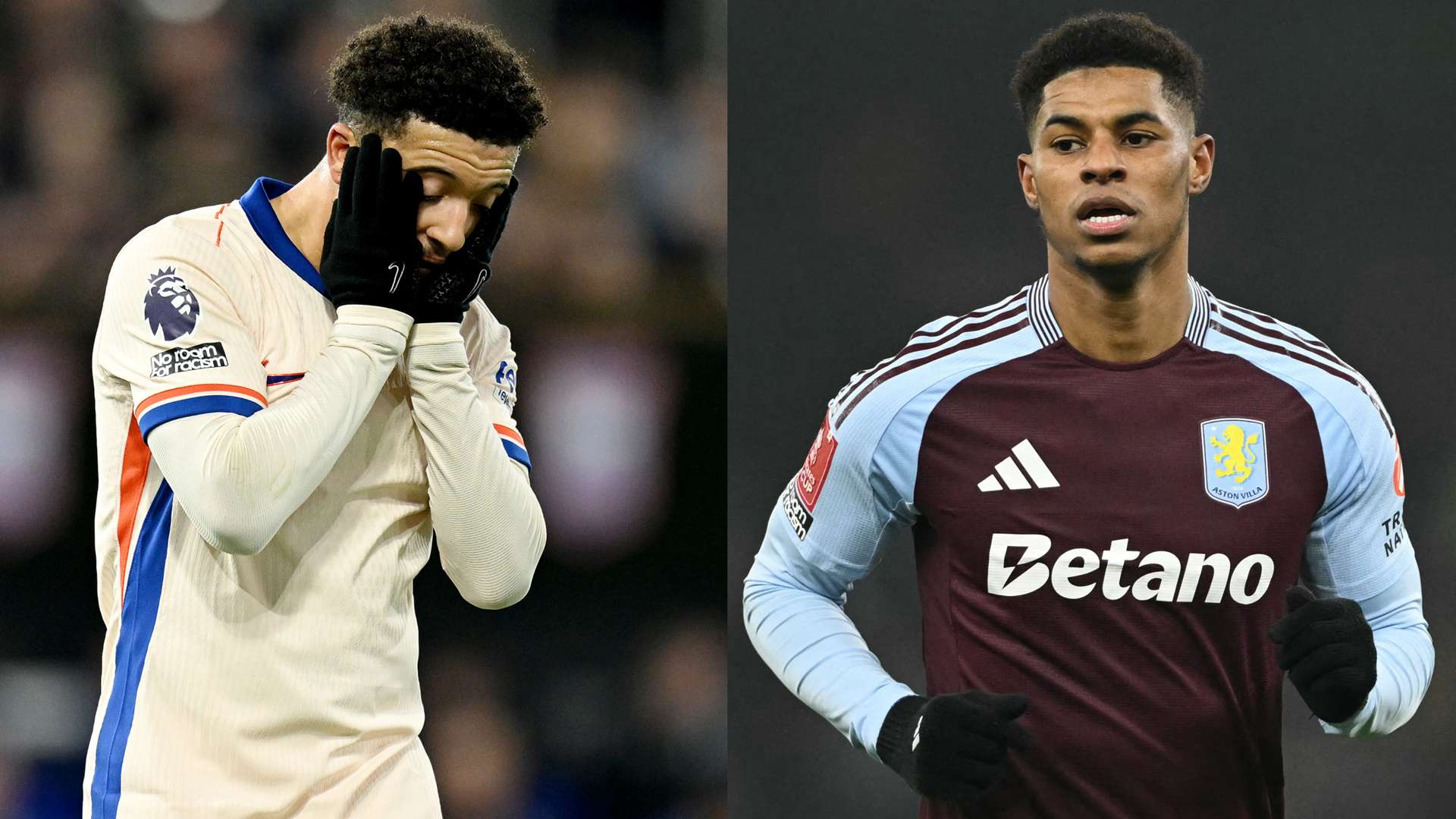

The highly talented footballer Jadon Sancho has recently stirred up some controversy among Manchester United fans with a message of support for his fellow player, Marcus Rashford, who is currently on loan at Aston Villa. Sancho, who is currently on loan at Stamford Bridge, took to social media to send a “freedom” message to Rashford, which has left some United fans unimpressed.
Jadon Sancho’s Controversial Message to Marcus Rashford
Jadon Sancho, the talented footballer currently on loan at Stamford Bridge, has caused a stir among Manchester United fans with a recent message of support for Marcus Rashford. Rashford, who is on loan at Aston Villa, received a “freedom” message from Sancho on social media, sparking mixed reactions among the United faithful.
The Reaction from Manchester United Fans
Many Manchester United fans have expressed their displeasure with Sancho’s message to Rashford. Some fans believe that Sancho’s gesture may suggest a lack of commitment to the club, especially since he is currently on loan at another team. The message has raised questions about Sancho’s loyalty to Manchester United and his priorities as a player.
Despite the backlash from some fans, others have defended Sancho’s message, stating that it is simply a show of camaraderie and support for his fellow player. Rashford and Sancho have a history of friendship and mutual respect, which may explain the nature of the message.
The Dynamics of Loan Deals in Football
Loan deals are a common practice in football, allowing clubs to temporarily send players to other teams to gain playing time and experience. While on loan, players remain under contract with their parent club but have the opportunity to showcase their skills and potentially earn a permanent move.
For players like Marcus Rashford, who is on loan at Aston Villa, the experience can be valuable in terms of development and exposure to different playing styles. However, it can also create challenges in terms of loyalty and allegiance to both the parent club and the loan team.
The Impact of Social Media in Football
Social media has become a powerful tool for footballers to connect with fans, teammates, and the broader football community. Messages like the one shared by Jadon Sancho to Marcus Rashford can have a significant impact on how players are perceived by fans and the media.
It is essential for footballers to navigate social media carefully, considering the potential implications of their posts and interactions. While gestures of support and friendship are common among players, they can sometimes be misinterpreted or criticized by fans and pundits.
In conclusion, Jadon Sancho’s message to Marcus Rashford has sparked a debate among Manchester United fans, highlighting the complexities of loyalty, camaraderie, and social media in football. As the story continues to unfold, it will be interesting to see how both players and fans navigate this delicate situation.
The Importance of Player Relationships in Football
Player relationships play a crucial role in football, both on and off the pitch. The bond between teammates can significantly impact team dynamics, morale, and performance. Jadon Sancho and Marcus Rashford’s friendship is not uncommon in football, as players often form close connections with their peers through shared experiences, training sessions, and matches.
While fans may scrutinize players’ interactions and messages on social media, it is essential to remember that football is not just a game but a community where relationships are forged and nurtured. Supportive messages like Sancho’s to Rashford can strengthen team spirit and solidarity, translating into better on-field chemistry and results.
The Evolution of Loyalty in Modern Football
In today’s football landscape, loyalty has taken on a different meaning than in the past. With the rise of player mobility, loan deals, and transfer windows, the concept of loyalty has become more fluid and complex. Players like Sancho, who are on loan at different clubs, must navigate their allegiance to multiple teams while staying true to their personal and professional goals.
While some fans may prioritize loyalty to the club above all else, others understand that players have short careers and must make decisions that are in their best interests. Ultimately, the balance between loyalty to a team and loyalty to oneself is a delicate one that each player must navigate in their career.
The Role of Social Media Management in Football
As social media continues to shape the way fans engage with footballers, clubs, and the sport as a whole, effective social media management has become essential for players. Professional athletes like Sancho and Rashford must carefully curate their online presence to maintain a positive image, connect with fans, and amplify their personal brand.
Social media can be a double-edged sword for footballers, offering a platform to communicate directly with fans while also exposing them to scrutiny, criticism, and potential controversies. Players must strike a balance between authenticity, professionalism, and responsible use of social media to navigate the challenges and opportunities it presents.
The Future of Football Communication
As football continues to evolve in the digital age, the ways in which players communicate, interact, and engage with fans will also evolve. Players like Sancho and Rashford have the opportunity to leverage social media to build meaningful connections, share their stories, and influence positive change within the football community.
By embracing new communication tools, strategies, and technologies, footballers can enhance their impact both on and off the pitch, shaping the future of the sport and inspiring the next generation of players, fans, and followers.
In conclusion, the controversy surrounding Jadon Sancho’s message to Marcus Rashford sheds light on the intricate dynamics of loyalty, camaraderie, and social media in football. As players and fans navigate these complexities, the sport continues to evolve, driven by the passion, relationships, and connections that define the beautiful game.