
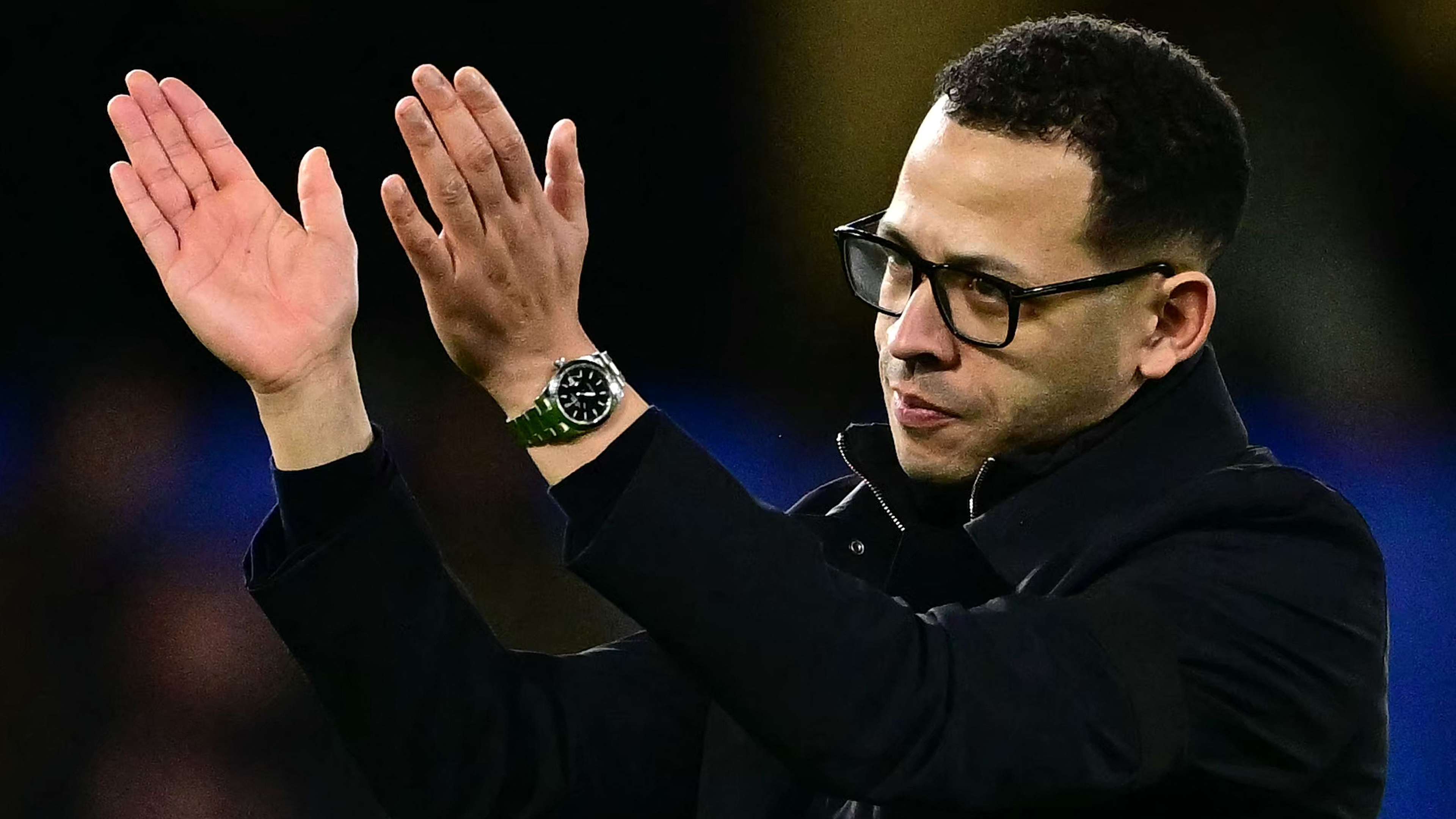

Chelsea Head Coach Liam Rosenior Addresses Team-Building Controversy
Following Chelsea’s recent 2-0 victory over Brentford in the Premier League, head coach Liam Rosenior has found himself at the center of controversy regarding his unconventional team-building methods. Stories have emerged about Rosenior incorporating Lego-building competitions and removing his gloves during training sessions to ensure his players can hear him clapping.
Rosenior’s Response
In a recent press conference, Rosenior addressed the rumors and hinted that he knows the source of the leaked information. While he did not confirm or deny the specifics of the stories, he emphasized the importance of team unity and communication in achieving success on the pitch.
“I am aware of the stories circulating about our team-building activities, and I can assure you that everything we do is in the best interest of the players and the club. Building a strong team dynamic is crucial for our performances on the field, and I will continue to implement strategies that I believe will benefit our squad,” Rosenior stated.
Unconventional Methods
Rosenior’s approach to team-building has raised eyebrows among fans and pundits alike. The use of Lego-building competitions as a bonding exercise is a departure from traditional sports psychology techniques but has reportedly been well-received by the players.
Additionally, the decision to remove his gloves during training sessions to ensure his voice carries across the pitch has been seen as a bold move by Rosenior. By eliminating any barriers to communication, he aims to create a more cohesive and responsive team environment.
Impact on Performance
Despite the controversy surrounding his methods, Rosenior’s Chelsea side has shown promising results on the field. The recent victory over Brentford showcased the team’s ability to work together effectively and secure a crucial three points in the league.
With key players stepping up and delivering strong performances, it appears that Rosenior’s unconventional approach to team-building may be paying off. The positive atmosphere within the squad has translated into improved communication and understanding on the pitch, leading to better results.
Looking Ahead
As Chelsea continues their campaign in the Premier League, all eyes will be on Rosenior and his unique coaching style. While some may question the unorthodox methods employed by the head coach, the results speak for themselves.
Only time will tell if Rosenior’s approach to team-building will lead Chelsea to further success on the pitch. For now, fans can expect more surprises and innovations from the enigmatic coach as he strives to create a winning mentality within the squad.
In the world of football, where predictions are often based on traditional tactics and strategies, Rosenior’s unconventional methods may just be the key to unlocking Chelsea’s full potential.
The Psychology Behind Unconventional Team-Building Methods
While some may view Liam Rosenior’s approach to team-building as eccentric, there is actually a sound psychological rationale behind his methods. Building with Lego, for example, can foster creativity, problem-solving skills, and teamwork among players. By engaging in this activity, Chelsea’s squad members not only bond with each other but also develop important cognitive and social skills that can benefit their performance on the pitch.
Removing his gloves during training sessions to ensure his voice carries may seem like a small detail, but it speaks volumes about Rosenior’s commitment to effective communication. In a sport where split-second decisions can make or break a game, clear and direct communication between players and coaches is crucial. By eliminating any barriers to hearing instructions, Rosenior is emphasizing the importance of swift and accurate communication in high-pressure situations.
Embracing Innovation in Football Coaching
Football is a sport steeped in tradition, with coaching methods often rooted in tried-and-tested techniques. However, in a rapidly evolving game where tactics and strategies are constantly shifting, embracing innovation is essential for staying ahead of the competition. Rosenior’s willingness to think outside the box and implement unconventional team-building methods demonstrates a forward-thinking approach to coaching that could set a new standard in the industry.
By challenging the status quo and pushing boundaries, Rosenior is not only shaping Chelsea’s playing style but also influencing the future of football coaching. In a sport where innovation is often met with resistance, his bold strategies may pave the way for a new era of coaching that prioritizes creativity, adaptability, and player-centered approaches.
The Power of Team Unity in Achieving Success
At the heart of Rosenior’s unconventional methods lies a fundamental belief in the power of team unity. In football, where individual talent must be harnessed and channeled towards a common goal, fostering strong bonds among players is essential for achieving success. By creating a positive and cohesive team environment through activities like Lego-building competitions, Rosenior is laying the foundation for a united and resilient squad that can overcome challenges together.
Research in sports psychology consistently shows that teams with strong cohesion outperform those with weaker bonds, highlighting the importance of interpersonal relationships in achieving collective goals. Rosenior’s emphasis on team unity not only enhances the players’ performance on the pitch but also cultivates a sense of camaraderie and mutual support that can sustain them through the ups and downs of a long and demanding season.
Conclusion
As Liam Rosenior continues to navigate the spotlight of controversy surrounding his unconventional team-building methods, it is clear that his innovative approach to coaching is making waves in the football world. By challenging traditional norms, embracing creativity, and prioritizing team unity, Rosenior is shaping a new narrative for coaching that goes beyond the conventional playbook.
As Chelsea’s season unfolds and the team’s performance on the pitch reflects the impact of Rosenior’s unconventional strategies, football fans can expect to witness a new chapter in coaching evolution. While the road ahead may be unpredictable, one thing is certain: Rosenior’s commitment to pushing boundaries and unlocking his team’s full potential is a testament to the transformative power of innovation in football coaching.