
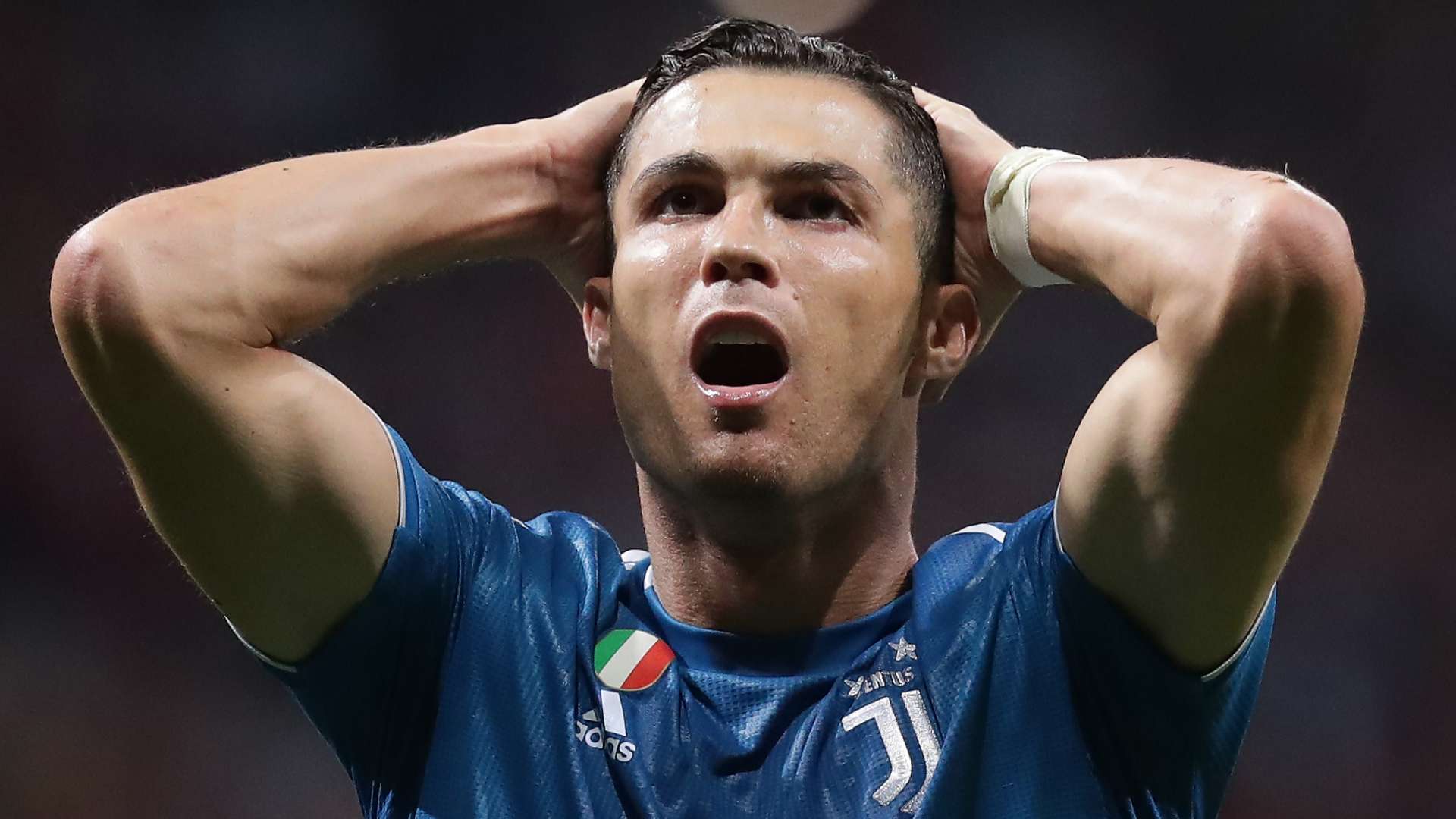

Cristiano Ronaldo Wins Legal Battle Over Unpaid Wages From Juventus
In a long-running dispute with his former club Juventus, Cristiano Ronaldo has emerged victorious in his fight to receive unpaid wages. The Portuguese superstar, who played for Juventus until his return to Manchester United this season, along with his teammates in Turin, had agreed to defer certain salary payments during the Covid-19 pandemic.
After months of negotiations and unsuccessful attempts to resolve the issue, Ronaldo decided to take matters to court in order to reclaim the £8.5 million ($11m) that was owed to him by the Italian club.
Legal Battle Unfolds
The legal battle between Ronaldo and Juventus began as a result of the salary deferral agreement that was put in place during the height of the Covid-19 pandemic. While the agreement was made in good faith to help the club navigate the financial challenges brought on by the global crisis, Ronaldo felt that he was entitled to the full amount owed to him.
Despite numerous discussions and attempts at mediation, the two parties were unable to reach a resolution, leading Ronaldo to pursue legal action to enforce his right to the unpaid wages.
Victory for Ronaldo
After a lengthy legal process, Cristiano Ronaldo was finally vindicated in his fight for the unpaid £8.5 million ($11m) from Juventus. The court ruled in favor of the football star, ordering the Italian club to pay the full amount owed to him.
Ronaldo’s victory not only secures his financial rights but also sets a precedent for other players who may find themselves in a similar situation in the future. The case highlights the importance of honoring contractual agreements and ensuring that players are fairly compensated for their contributions to their clubs.
Implications for the Football Industry
The outcome of Ronaldo’s legal battle with Juventus has significant implications for the football industry as a whole. It serves as a reminder of the importance of transparency and fairness in contractual agreements between players and clubs.
Players, like Ronaldo, who have a strong legal team and are willing to fight for their rights, can now feel empowered to take action if they feel they are not being treated fairly by their clubs. This shift in power dynamics could lead to more equitable treatment of players and a greater emphasis on upholding contractual obligations in the football world.
Overall, Ronaldo’s victory in his legal battle with Juventus marks a significant moment in the football world, highlighting the importance of protecting players’ rights and ensuring that they are fairly compensated for their talents and contributions to the sport.
Ronaldo’s Influence on Player Empowerment
By successfully challenging Juventus in court and securing his unpaid wages, Cristiano Ronaldo has not only asserted his financial rights but has also demonstrated the importance of player empowerment in the football industry. His victory sends a powerful message to other players that they have the ability to stand up for themselves and demand fair treatment from their clubs.
In an industry where players often face challenges in contract negotiations and wage disputes, Ronaldo’s legal battle serves as a beacon of hope for those who may feel exploited or undervalued. The case showcases the potential impact of a player with a strong legal team and unwavering determination to uphold their rights.
With Ronaldo’s high-profile victory, there is a growing awareness among players about the importance of understanding their contracts, seeking legal advice when needed, and not hesitating to take legal action if necessary. This shift in mindset could lead to a more balanced relationship between players and clubs, where players are empowered to advocate for themselves and ensure that their rights are respected.
Contractual Obligations and Player Welfare
Ronaldo’s legal battle with Juventus also sheds light on the need for clubs to honor their contractual obligations and prioritize the welfare of their players. The case highlights the risks that players face when clubs fail to fulfill their financial commitments, leading to legal disputes and potential damage to both the player’s reputation and the club’s image.
Clubs are now under increased scrutiny to uphold their end of the bargain and ensure that players are compensated fairly for their services. Failure to do so not only risks legal action but also tarnishes the club’s reputation and may deter future talent from joining their ranks.
As the football industry continues to evolve, the emphasis on transparency, accountability, and fairness in contractual agreements is becoming more pronounced. Players are increasingly asserting their rights and demanding better treatment, leading to a shift in the power dynamics between players and clubs.
The Legacy of Ronaldo’s Legal Battle
Looking beyond the immediate impact of Cristiano Ronaldo’s legal victory, the long-term implications of his actions are likely to reverberate throughout the football industry. His case sets a precedent for players to stand up against unfair treatment and reinforces the importance of contractual integrity and player welfare.
Clubs are now compelled to reevaluate their contractual practices and ensure that agreements are fair, transparent, and legally sound. Players, on the other hand, are more informed and empowered to safeguard their rights and hold clubs accountable for any breaches of contract.
Ultimately, Ronaldo’s legal battle with Juventus marks a turning point in the football world, where players are increasingly asserting their rights and demanding greater respect and fairness from their clubs. This shift towards player empowerment and contractual integrity is essential for the continued growth and sustainability of the sport.