
Rio Ferdinand Criticizes Manchester United’s Decision to Sell Danny Welbeck
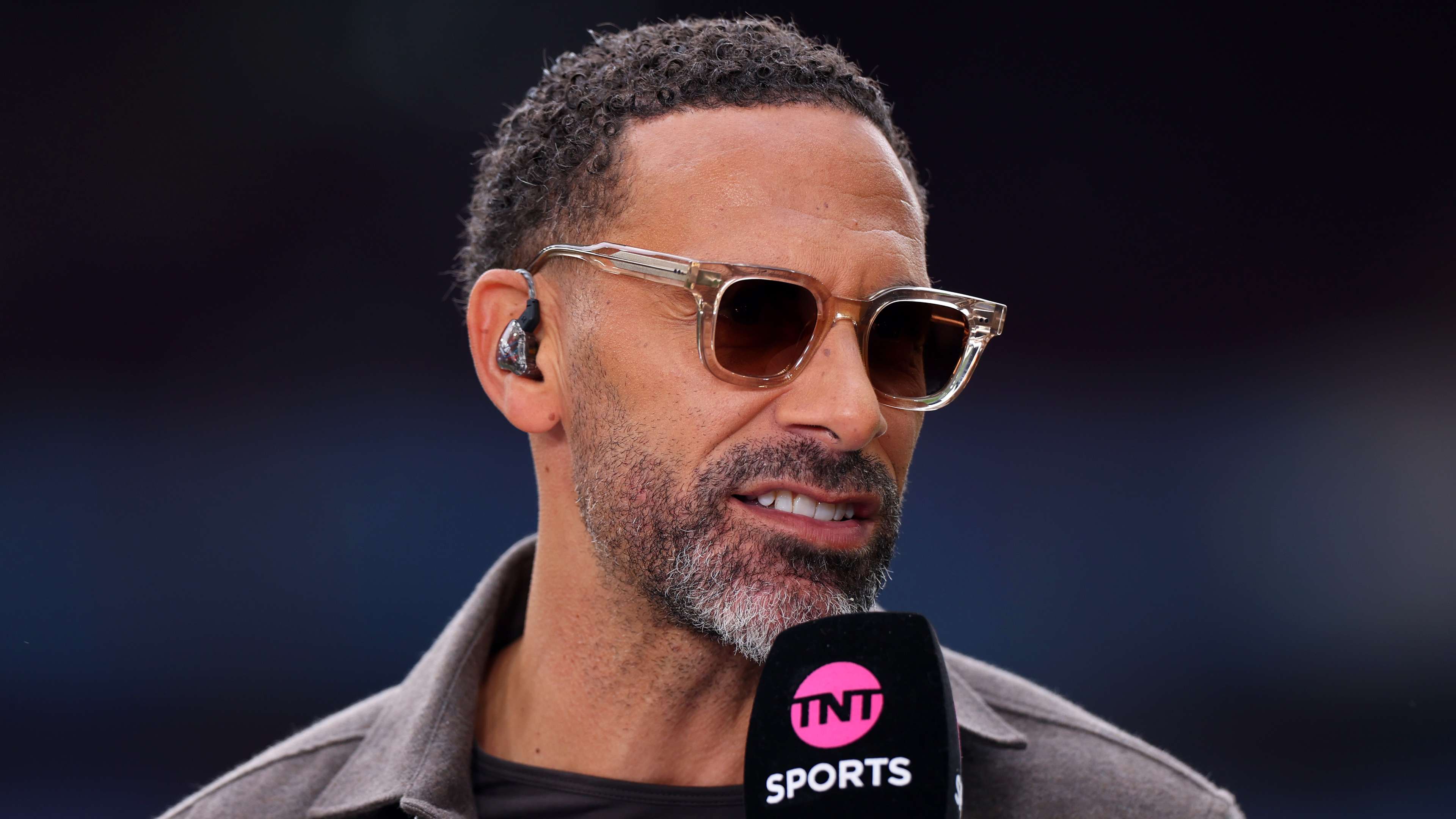
In 2014, Manchester United made a decision that former captain Rio Ferdinand believes was a huge mistake. The club allowed homegrown striker Danny Welbeck to leave Old Trafford and join Arsenal in a £16 million ($21m) transfer. Ferdinand has recently launched a scathing attack on his former club, branding the decision as “an absolute balls-up”.
A Departure That Should Never Have Happened
Rio Ferdinand, who shared the dressing room with Welbeck for several seasons, believes that Manchester United should never have allowed the young striker to leave. Welbeck, a product of United’s youth academy, had been with the club since the age of eight. Ferdinand argues that selling a player with such potential and loyalty was a grave error on the part of the club.
“Danny Welbeck was Manchester United through and through. To see him leave for a rival club like Arsenal was a bitter pill to swallow,” said Ferdinand in a recent interview. The decision to sell Welbeck still baffles Ferdinand to this day, as he believes the player had a bright future ahead of him at Old Trafford.
The Fallout of the Transfer
Since joining Arsenal, Welbeck’s career has been plagued by injuries, limiting his impact on the pitch. Ferdinand believes that had Welbeck stayed at Manchester United, he could have developed into a key player for the club. The decision to sell him has been criticized by many United fans and pundits alike, who feel that the club let go of a promising talent too soon.
Welbeck’s departure was part of a larger exodus of players from Manchester United during a period of transition for the club. However, Ferdinand remains adamant that selling Welbeck was a mistake that could have been avoided. The decision to let him go has now come back to haunt United, as they struggle to find a consistent goal scorer in the current squad.
Rio Ferdinand’s Criticism
Rio Ferdinand’s criticism of Manchester United’s decision to sell Danny Welbeck highlights the passion and loyalty that many former players have for their clubs. As a pundit and former player, Ferdinand is not afraid to speak his mind when it comes to analyzing the decisions made by his former team.
While some may disagree with Ferdinand’s assessment, his comments have sparked a debate among fans and pundits about the importance of nurturing young talent and the long-term consequences of selling promising players. As Manchester United continues to navigate the challenges of rebuilding their squad, the decision to let Danny Welbeck go remains a point of contention for many.
In conclusion, Rio Ferdinand’s scathing attack on Manchester United for allowing Danny Welbeck to leave for Arsenal in 2014 sheds light on the complexities of player transfers in football. The decision, which Ferdinand deems as a mistake, has had lasting repercussions for both the player and the club, serving as a cautionary tale for future transfer dealings.
The Importance of Homegrown Talent in Football
One of the key aspects that Rio Ferdinand’s criticism brings to light is the value of homegrown talent in football clubs. Players like Danny Welbeck, who have been part of a club’s youth academy from a young age, often embody the spirit and identity of the team. Their loyalty and commitment to the club can be a driving force in creating a strong team culture.
Manchester United has a rich history of developing young talents through their academy, with players like David Beckham, Ryan Giggs, and Paul Scholes rising through the ranks to become club legends. Selling players like Welbeck, who have strong ties to the club, can disrupt this tradition and weaken the bond between the team and its fans.
By nurturing and retaining homegrown talent, clubs not only invest in the future success of their team but also maintain a sense of continuity and connection with their supporters. The decision to sell Welbeck serves as a reminder of the delicate balance between short-term gains and long-term stability in the world of football transfers.
The Impact of Injuries on Player Careers
Another aspect worth considering is the impact of injuries on a player’s career trajectory. Since joining Arsenal, Welbeck has struggled with various injuries that have hampered his progress and limited his playing time. This raises questions about the risks involved in transferring players based on potential alone, without taking into account factors like injury history and physical durability.
In the case of Welbeck, the decision to sell him may have been influenced by the perception of higher potential gains from other players at the time. However, as injuries have taken their toll on Welbeck’s career, it highlights the unpredictability and challenges that players face in maintaining peak performance over time.
Clubs must carefully consider the balance between short-term success and long-term player development when making transfer decisions, taking into account factors like injury risk and player resilience. The case of Danny Welbeck serves as a cautionary tale about the importance of holistic player assessments beyond just talent and potential.
Lessons Learned for Future Transfers
As Manchester United and other football clubs continue to navigate the complex landscape of player transfers, the case of Danny Welbeck offers valuable lessons for shaping future decisions. Clubs must weigh the potential gains of selling a player against the risks of losing a valuable asset with deep ties to the team.
By reflecting on past transfer decisions and their outcomes, clubs can refine their strategies for nurturing and retaining talent, ensuring a balance between short-term objectives and long-term sustainability. The criticism from figures like Rio Ferdinand serves as a reminder of the enduring impact that transfer decisions can have on both players and clubs.
Ultimately, the case of Danny Welbeck’s departure from Manchester United underscores the intricate dynamics at play in player transfers, highlighting the need for thoughtful consideration, foresight, and a holistic approach to building successful football teams.
By delving deeper into the implications of selling homegrown talent, the challenges of managing player injuries, and the lessons for future transfers, we gain a more comprehensive understanding of the complexities of player movements in the football industry. Rio Ferdinand’s critique of Manchester United’s decision to sell Danny Welbeck transcends a mere transfer deal and prompts a broader conversation about the values, risks, and considerations involved in shaping the future of football clubs.