
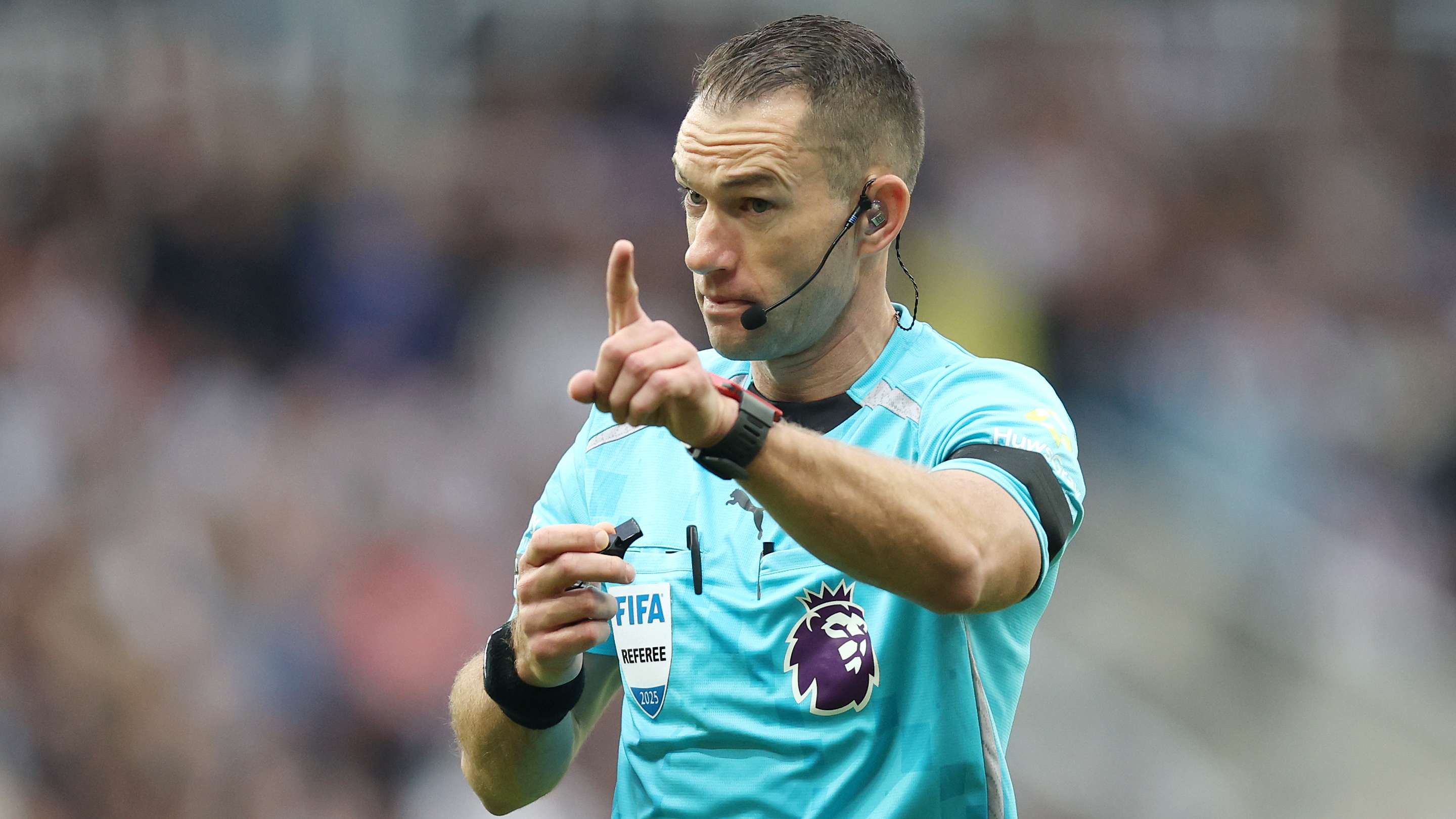

Arsenal Fans Fume as Referee’s Controversial Decision Denies Penalty
Last weekend’s Premier League match between Arsenal and Newcastle United at St. James’ Park was marked by a controversial incident involving referee Jarred Gillett, who broke PGMOL protocol in the process of denying the Gunners a penalty. Despite Arsenal ultimately securing a 2-1 victory with late goals from Mikel Merino and Gabriel Magalhaes, fans were left fuming over the referee’s decision.
The Incident
In the 14th minute of the match, it appeared that Arsenal had been awarded a penalty after Nick Pope was deemed to have fouled Viktor Gyokeres in the box. However, to the surprise and dismay of Arsenal players and fans alike, referee Gillett overturned his decision and denied the penalty, much to the disbelief of onlookers.
The decision sparked outrage among Arsenal supporters, who felt that the referee’s reversal was unjust and potentially influenced the outcome of the game. Many fans took to social media to express their frustration and disbelief at the turn of events.
PGMOL Protocol Breach
Referee Gillett’s controversial decision to overturn the penalty also raised concerns about a breach of PGMOL (Professional Game Match Officials Limited) protocol. The protocol outlines guidelines for match officials to follow in making decisions during games, with a focus on consistency and fairness.
The incident at St. James’ Park highlighted the challenges faced by referees in interpreting and applying the rules of the game, especially in high-stakes matches where the outcome can have significant implications for the teams involved.
Fans’ Reactions
Arsenal fans were quick to voice their displeasure with the referee’s decision, with many expressing their frustration and disappointment on social media platforms. The controversy surrounding the denied penalty added fuel to the ongoing debate about the role of officiating in football and the impact it can have on the outcome of matches.
While Arsenal ultimately emerged victorious against Newcastle, the contentious decision by referee Gillett left a bitter taste in the mouths of many Gunners supporters, who felt that their team had been denied a clear opportunity to score from the penalty spot.
Conclusion
The incident at St. James’ Park serves as a reminder of the unpredictable nature of football and the influence that refereeing decisions can have on the outcome of matches. While Arsenal managed to secure a hard-fought victory against Newcastle, the controversy surrounding the denied penalty will likely linger in the minds of fans and players alike.
As the debate over the role of referees in football continues to evolve, incidents like the one involving referee Jarred Gillett at Newcastle serve as a sobering reminder of the challenges faced by match officials and the scrutiny they come under in high-pressure situations.
Implications of Referee Decisions in Football
The incident at St. James’ Park underscores the significant impact that referee decisions can have on the outcome of football matches. In a sport where every goal and every point can make a difference in the final standings, the role of officiating becomes increasingly crucial. Fans invest their emotions, time, and money into supporting their teams, and when a controversial decision goes against them, it can lead to frustration and a sense of injustice.
Referees are tasked with making split-second decisions in highly dynamic and intense environments, which can make their job extremely challenging. While technology such as VAR (Video Assistant Referee) has been introduced to help minimize errors, controversies and debates around refereeing decisions continue to persist.
The Human Element in Officiating
One of the reasons why football remains a captivating and unpredictable sport is the human element involved in officiating. Referees are fallible and can make mistakes, just like players do on the field. The subjective nature of some decisions, such as fouls and penalties, adds to the complexity of the job and the potential for controversy.
While fans may vehemently disagree with a referee’s call, it is essential to remember that officiating is a challenging and often thankless task. Referees undergo rigorous training and adhere to strict guidelines, but the pressure and scrutiny they face can be immense.
Fostering Dialogue and Understanding
Despite the frustration and disappointment that fans may feel after a contentious decision, it is crucial to foster constructive dialogue and understanding around refereeing in football. Fans, players, coaches, and officials all play a part in the game, and mutual respect and sportsmanship are integral to maintaining the integrity of football.
While it is natural for emotions to run high during matches, it is important to channel that passion into productive discussions and initiatives aimed at improving the officiating standards in football. By working together to address challenges and issues in refereeing, the football community can strive towards a more fair and transparent environment for all stakeholders.
Looking Ahead
As football continues to evolve and adapt to new technologies and regulations, the role of referees will remain a central aspect of the game. While controversies and debates may arise from time to time, it is essential to approach these challenges with a spirit of sportsmanship and cooperation.
Ultimately, the passion and excitement that football elicits from fans around the world stem from its unpredictability and drama. Refereeing decisions, controversial as they may be at times, are an inherent part of the sport’s fabric and contribute to its rich tapestry of narratives and emotions.
As fans reflect on the incident at St. James’ Park and the denied penalty that sparked outrage, it serves as a poignant reminder of the complexities and nuances of football, where moments of controversy and contention can fuel discussions and debates for years to come.