
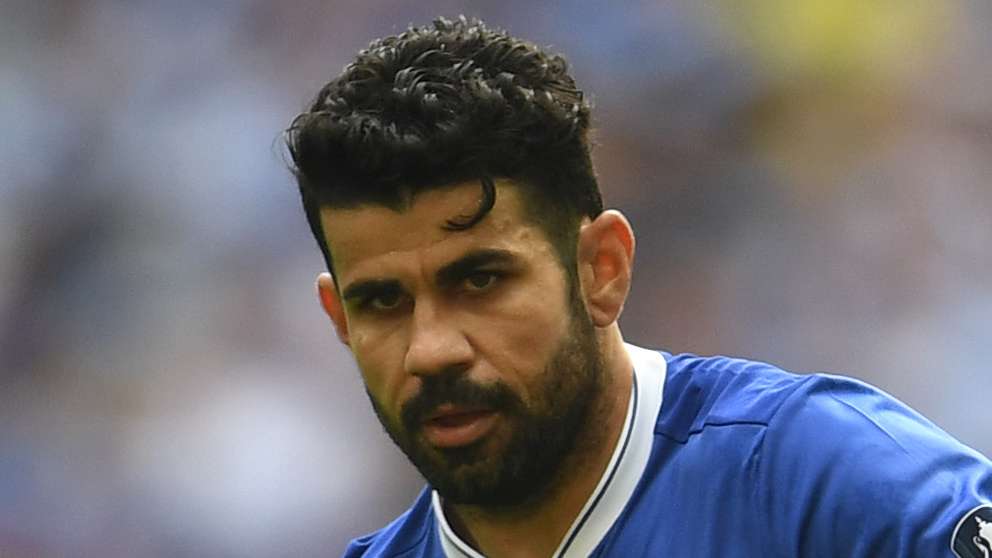

Former Chelsea Star Diego Costa Accused of Disgusting Behavior During Interview
A shocking revelation has come to light as a female reporter, Helene Hendriks, has accused former Chelsea star Diego Costa of a disgusting act during an interview at the start of the Covid-19 pandemic. The incident took place in March 2020 when Hendriks was on media duties for Liverpool’s Champions League clash with Atletico Madrid, where Costa was playing for the Spanish club at the time.
Hendriks, who is 45 years old, was left shocked and appalled by Costa’s behavior during their interaction after the knockout fixture between the two clubs. The incident has left a lasting impact on the reporter, who will never forget the disrespectful act carried out by the footballer.
Shocking Behavior Unveiled
According to Hendriks, during the interview with Costa, the footballer deliberately coughed in her face. This act of aggression and disrespect took place at a time when the world was grappling with the Covid-19 pandemic, and such behavior was not only repulsive but also potentially dangerous.
The incident has sparked outrage among fans and the football community, with many condemning Costa’s behavior and calling for appropriate action to be taken against him. Costa, who had a reputation for being a controversial figure on the pitch, has yet to respond to the allegations made by Hendriks.
Impact on Reporting and Journalism
For Hendriks, the incident has had a profound impact on her reporting and her perception of the footballing world. As a female journalist in a male-dominated industry, she has faced challenges and obstacles in her career, but the incident with Costa has highlighted the need for respect and professionalism in sports journalism.
Despite the shocking incident, Hendriks has continued to cover football and has not let the incident deter her passion for the game. However, she hopes that by speaking out about her experience, she can raise awareness about the importance of treating journalists with respect and dignity, regardless of their gender.
Call for Accountability
The incident involving Costa has reignited discussions about the behavior of footballers towards journalists and the need for accountability within the sport. Many believe that players should be held to a higher standard of conduct, both on and off the pitch, and that incidents like this should not be tolerated.
As the footballing world grapples with the fallout from the incident, there is a growing demand for action to be taken against Costa to ensure that such behavior is not repeated in the future. Fans, journalists, and football authorities are all calling for accountability and justice in this matter.
In conclusion, the shocking revelation of Diego Costa’s behavior towards Helene Hendriks has shed light on the need for respect and professionalism in football and sports journalism. The incident serves as a reminder of the importance of treating others with dignity and courtesy, regardless of their role in the industry.
Diego Costa’s Controversial Past
Diego Costa’s behavior during the interview with Helene Hendriks is not an isolated incident in his controversial career. The Spanish striker has a history of on-field antics and off-field controversies that have often overshadowed his footballing talent. Known for his aggressive playing style and fiery temperament, Costa has been involved in numerous altercations with opponents, referees, and even his own teammates.
Costa’s reputation as a volatile and unpredictable player has followed him throughout his career, from his time at Atletico Madrid to his stints at Chelsea and later at Atletico again. His combative nature on the pitch has often spilled over into off-field incidents, leading to fines, suspensions, and public scrutiny.
Impact of Social Media
The incident involving Diego Costa and Helene Hendriks also highlights the role of social media in amplifying and spreading news of such behavior. In this digital age, incidents like this can quickly go viral, reaching a global audience within minutes. Social media platforms have become powerful tools for holding individuals and organizations accountable for their actions, as seen in the immediate backlash against Costa for his behavior.
Journalists, fans, and other stakeholders can now use social media to voice their opinions, share information, and mobilize support for causes they believe in. This shift in communication dynamics has reshaped the way incidents are reported, discussed, and addressed in the world of sports and beyond.
Changing Attitudes Towards Women in Sports Journalism
The incident involving Helene Hendriks and Diego Costa also sheds light on the challenges faced by women in sports journalism. Despite significant progress in recent years, female sports journalists continue to encounter discrimination, harassment, and unequal treatment in the industry. The disrespect shown to Hendriks by Costa is a stark reminder of the gender biases that still exist in sports media.
However, incidents like this can serve as catalysts for change, prompting conversations about gender equality, respect, and inclusivity in sports journalism. By speaking out against such behavior, Hendriks has highlighted the need for a more inclusive and supportive environment for women working in sports media.
Lessons Learned and Moving Forward
As the footballing world reflects on the incident involving Diego Costa and Helene Hendriks, there are valuable lessons to be learned and opportunities for growth. It is essential for players, clubs, and governing bodies to prioritize respect, professionalism, and accountability in all aspects of the sport.
By holding individuals like Costa accountable for their actions, the football community can send a strong message that such behavior will not be tolerated. Moving forward, it is crucial to foster a culture of mutual respect, understanding, and cooperation between players, journalists, and fans to ensure a positive and inclusive environment for all involved.
In conclusion, the incident involving Diego Costa and Helene Hendriks serves as a reminder of the importance of respect, professionalism, and gender equality in the world of football and sports journalism. It is through addressing and learning from such incidents that the industry can evolve and create a more inclusive and positive environment for all stakeholders.