
Tottenham Question Refereeing Decision After Jayden Bogle Challenge on Mathys Tel
Tottenham Hotspur’s goalless Premier League draw with Leeds United was overshadowed by a contentious refereeing decision after Spurs winger Mathys Tel was injured in a challenge by Jayden Bogle. Tottenham manager Roberto De Zerbi was visibly angry that the Leeds defender escaped a red card, while the Premier League’s explanation of the VAR review did little to quiet the debate.
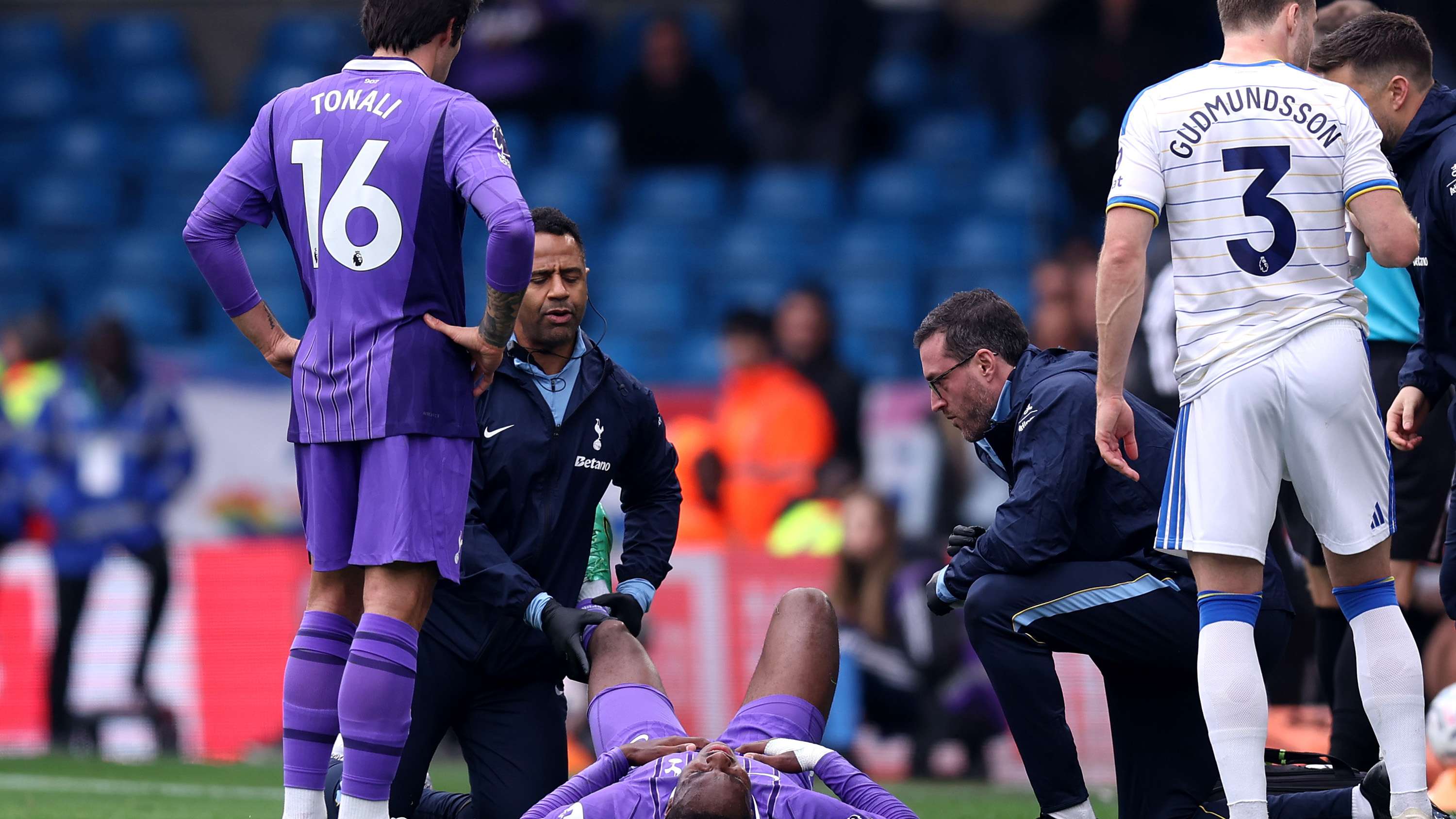
The incident occurred during the match at Elland Road, where neither side managed to find a breakthrough. But while the final score offered little to separate the teams, the challenge on Tel quickly became the game’s defining talking point. The 21-year-old was left in significant pain after Bogle’s boot made contact with his Achilles area near the halfway line.
Why Tottenham believed Bogle should have been sent off
From Tottenham’s perspective, the severity and location of the contact made the incident worthy of a dismissal. Tel was unable to continue, despite initially attempting to play on, and was eventually replaced by Dominic Solanke shortly before half-time. De Zerbi’s frustration was clear as the winger left the pitch.
Bogle, however, was not shown a yellow card, let alone a red. Referee John Brooks did not go to the pitchside monitor after the Video Assistant Referee, Tony Harrington, conducted a lengthy review. The decision left Spurs players, staff and supporters questioning how a challenge that caused an injury could be judged as falling short of the threshold for a sending-off.
That reaction reflects a wider frustration often seen in football: the difference between a dangerous-looking tackle and one that meets the formal criteria for a red card is not always obvious to fans. Officials assess factors such as the force of the challenge, the speed of the player, the point of contact and whether the tackle endangers an opponent. A serious outcome can intensify scrutiny, but the decision is supposed to focus on the nature of the challenge itself rather than the injury alone.
What the Premier League said about the VAR review
The Premier League Match Centre later confirmed that the decision not to dismiss Bogle had been reviewed and upheld by VAR. Its explanation said the referee’s call was correct, with the VAR describing the challenge as reckless but noting that there was not a great deal of speed in the lunge and that Bogle had stepped towards the ball.
The distinction matters under the laws of the game. A reckless challenge generally warrants a yellow card, while a red card is typically reserved for serious foul play—such as a tackle that uses excessive force or endangers an opponent’s safety. The VAR team evidently concluded that Bogle’s actions did not reach that higher threshold, even though the contact was serious enough to leave Tel unable to continue.
That reasoning has become central to the argument over whether Tottenham were treated unfairly. Spurs can point to the Achilles contact and Tel’s immediate difficulty, while the officials’ defence rests on their assessment of the tackle’s speed, force and intent. Without access to the officials’ full review process, supporters are left weighing the published explanation against what they saw on the pitch.
Tel’s injury adds to Tottenham’s concerns
Tel’s forced departure was a significant concern for Tottenham beyond the immediate controversy. The young winger had been pushing to make an impression at club level and had reportedly been close to earning consideration for a France call-up before the international break. An injury at this stage could disrupt his momentum, although the severity of the problem was not established in the information available after the match.
For De Zerbi, the timing also created a tactical problem. Replacing a wide attacker with Solanke changed Tottenham’s options before the interval, forcing the team to adjust while still trying to find a way through Leeds’ defence. In a match that remained goalless, the loss of a player capable of stretching the opposition may have affected Spurs’ attacking balance.
Any assessment of Tel’s condition will depend on further medical checks. Contact around the Achilles can be painful and concerning, but the initial reaction alone does not confirm the extent of an injury. Tottenham supporters will be watching for updates on his recovery and availability for the club’s upcoming fixtures.
How the decision could shape the wider debate
Controversial VAR calls often attract attention because they combine two difficult questions: whether the on-field referee made the right decision and whether the video review process was applied consistently. In this case, the absence of a pitchside review is likely to fuel discussion. Although VAR can recommend an on-field review when it believes a clear and obvious error may have occurred, the final decision about whether to visit the monitor rests with the referee and the protocol used by the officials.
For Tottenham, the outcome is especially frustrating because the match offered little else to settle the argument. A 0-0 result leaves both teams with a point, but the incident has shifted attention from the football to the standard of officiating. Leeds, meanwhile, will be relieved that Bogle remained on the pitch, though the defender’s challenge is likely to be examined closely in post-match analysis.
Ultimately, whether Spurs were treated unfairly depends on how observers interpret the contact and the Premier League’s explanation. The officials judged the tackle reckless rather than serious foul play, and VAR supported that call. Tottenham’s anger is understandable given Tel’s injury and the lack of an on-field booking, but the published reasoning shows why the decision was not considered a clear red-card error by the review team.
The episode is another reminder that football predictions and match analysis can be shaped by more than goals and results. Injuries, substitutions and contentious refereeing decisions can alter a team’s plans and dominate the conversation long after the final whistle. For Spurs, the immediate priorities are finding out how long Tel may be unavailable and ensuring the controversy does not distract from their preparations for the next Premier League fixture.