
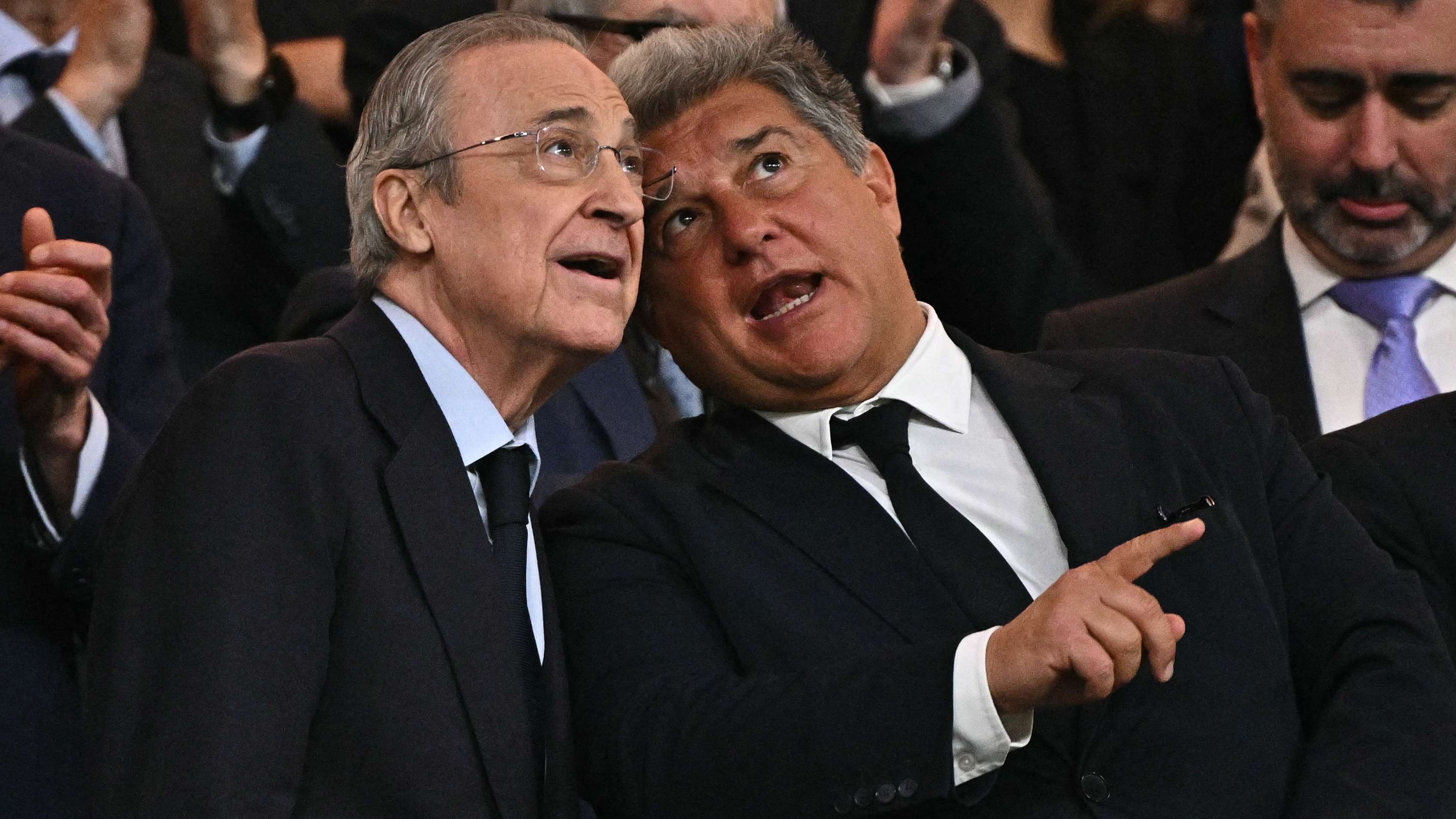

Barcelona Withdraws from European Super League, Leaving Real Madrid Isolated
In a surprising turn of events, Barcelona has announced their decision to abandon the European Super League project, leaving Real Madrid isolated in their pursuit to challenge UEFA. The Catalan giants have cited their satisfaction with UEFA’s recent reforms to the Champions League as the reason behind their withdrawal from the controversial breakaway competition.
A Dramatic Shift in Stance
Barcelona’s decision marks a significant shift in their stance on the European Super League, a project that was initially intended to rival UEFA’s Champions League. With the club’s withdrawal, Real Madrid now stands as the sole remaining powerhouse in the project, led by president Florentino Perez.
Barcelona’s exit from the European Super League comes amidst mounting pressure from fans, players, and football governing bodies. The club’s supporters have been vocal in their opposition to the breakaway competition, fearing the impact it would have on the traditional footballing structure and the integrity of the sport.
UEFA’s Reforms Address Club Demands
The decision by Barcelona to withdraw from the European Super League can be attributed to UEFA’s recent reforms to the Champions League. The governing body of European football has introduced changes to the competition format, including an increase in the number of teams participating and adjustments to the qualification criteria.
Barcelona’s leadership believes that these reforms now align with the club’s demands for a more inclusive and competitive European football landscape. By opting to remain within the UEFA fold, Barcelona hopes to maintain their standing in the prestigious Champions League and continue to compete against the best clubs in Europe.
Real Madrid Stands Alone
With Barcelona’s exit, Real Madrid finds themselves increasingly isolated in their pursuit of the European Super League. President Florentino Perez has been a vocal advocate for the breakaway competition, touting it as a necessary evolution for the future of football.
However, with Barcelona’s withdrawal, Real Madrid’s position in the project becomes more precarious. The Spanish giants now face mounting pressure to either reconsider their involvement in the European Super League or forge ahead as the sole representative of the breakaway competition.
Implications for the Future
The decision by Barcelona to withdraw from the European Super League has wide-reaching implications for the future of football. It underscores the power of fan sentiment and the importance of maintaining the traditions and values of the sport.
As the footballing world continues to grapple with the fallout from the European Super League saga, all eyes are now on Real Madrid and their next move. Will they stand firm in their commitment to the breakaway competition, or will they follow Barcelona’s lead and prioritize their place within UEFA’s Champions League?
Only time will tell how this dramatic turn of events will shape the future of European football and the relationship between clubs, governing bodies, and fans.
Challenges Faced by Real Madrid
Real Madrid now faces significant challenges following Barcelona’s withdrawal from the European Super League. With their long-time rivals opting out, Real Madrid must confront the reality of standing alone in their pursuit of the breakaway competition. This isolation may affect the club’s bargaining power and alliances within the footballing community.
President Florentino Perez, a key driving force behind the European Super League, now finds himself navigating uncharted waters as he seeks to uphold Real Madrid’s commitment to the project. The pressure on Perez and the club’s leadership to justify their continued involvement in the face of Barcelona’s departure is immense.
The Role of Player and Fan Sentiment
Player and fan sentiment played a pivotal role in Barcelona’s decision to withdraw from the European Super League. The backlash from supporters, football legends, and even current players within the club contributed to the Catalan giants reevaluating their stance on the breakaway competition.
Real Madrid now faces a similar challenge as they navigate the repercussions of Barcelona’s exit. The opinions of players, both current and former, as well as the sentiments of fans, will weigh heavily on the club’s leadership as they determine their next steps in relation to the European Super League.
Rebuilding Relationships with UEFA
Barcelona’s return to the UEFA fold through their withdrawal from the European Super League presents an opportunity for the club to rebuild relationships with the governing body of European football. By aligning with UEFA’s reforms and demonstrating a commitment to traditional football structures, Barcelona may pave the way for a smoother relationship moving forward.
Real Madrid, on the other hand, faces a more complicated path in their relationship with UEFA. As the sole remaining club actively pursuing the European Super League, Real Madrid’s interactions with UEFA may be strained as they navigate the fallout from Barcelona’s departure and the broader implications of the breakaway competition.
Looking Ahead: Uncertainty and Potential Resolutions
As the dust settles from Barcelona’s withdrawal from the European Super League, uncertainty looms over the future of the breakaway competition and the clubs involved. Real Madrid must now chart a course forward, considering the shifting landscape of European football and the implications of standing alone in their pursuit of the Super League.
Potential resolutions may include further negotiations with UEFA to address club concerns, a reevaluation of the European Super League’s structure and objectives, or even a reconsideration of Real Madrid’s involvement in the project. The coming weeks and months will be crucial in determining the direction of European football and the relationships between clubs, governing bodies, and fans.
Ultimately, Barcelona’s withdrawal serves as a seismic shift in the footballing landscape, setting the stage for a new chapter in the ongoing saga of the European Super League and its impact on the sport as a whole.
