
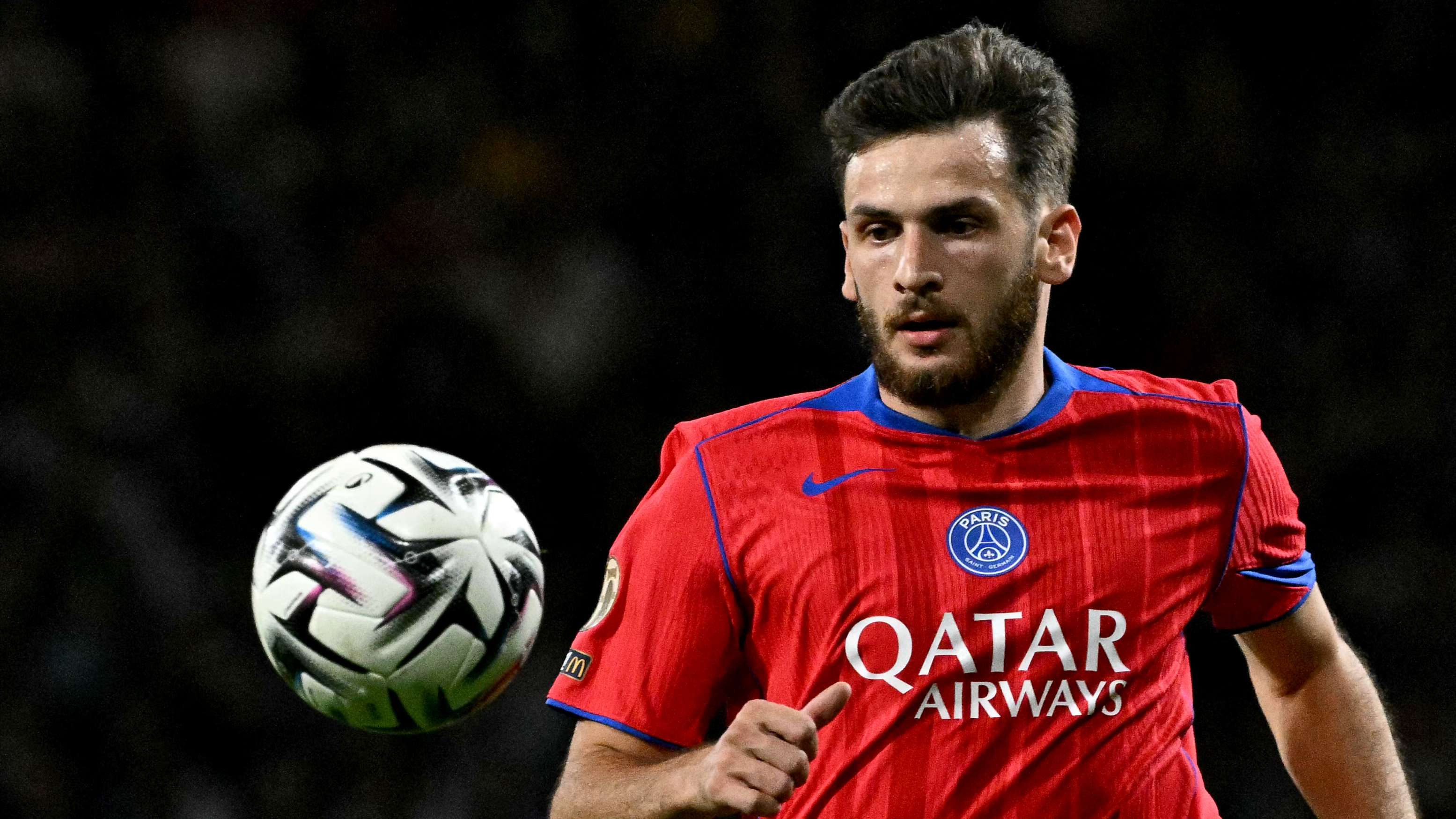

Paris Saint-Germain Faces Dilemma Over Injured Star Winger
Paris Saint-Germain is facing a tough decision as they try to prevent their injured star winger, Khvicha Kvaratskhelia, from joining the Georgia national team for their World Cup qualifiers. The French champions are already dealing with the frustration of Ousmane Dembele’s recent injury sustained while on international duty, and now they are determined to keep Kvaratskhelia from traveling with his national team.
The Dilemma
After being called up for Georgia’s World Cup qualifiers, Kvaratskhelia, who has been a key player for PSG this season, is currently recovering from an injury. The club’s medical staff is working round the clock to ensure he is fit to return to action as soon as possible. However, the prospect of him joining up with the national team poses a risk of aggravating his injury and prolonging his recovery time.
PSG is concerned about the welfare of their player and is in discussions with the Georgian Football Federation to try and find a solution that will benefit both parties. The club is keen to avoid a situation where Kvaratskhelia is rushed back to action before he is fully recovered, potentially jeopardizing his long-term fitness.
The Impact
Kvaratskhelia’s absence would be a blow to the Georgia national team, who are counting on his contributions in the upcoming World Cup qualifiers. However, PSG’s priority is the well-being of their player, and they are determined to take every precaution to ensure his injury is managed effectively.
With Dembele already facing a spell on the sidelines due to his injury sustained while on international duty, PSG is understandably cautious about allowing another key player to join up with their national team. The club is acutely aware of the demands of the football calendar and the risks associated with players representing their countries in international competitions.
Looking Ahead
As discussions continue between PSG and the Georgian Football Federation, all parties are hopeful of finding a solution that will satisfy both the club’s concerns and the national team’s needs. The priority for PSG is to ensure that Kvaratskhelia’s recovery is not compromised, while also acknowledging the importance of international fixtures for players and their respective countries.
Football fans will be watching closely to see how this situation unfolds and what decision is ultimately made regarding Kvaratskhelia’s participation in the World Cup qualifiers. PSG’s dilemma highlights the complex nature of managing player injuries in the midst of international commitments and the delicate balance between club and country interests.
In conclusion, Paris Saint-Germain’s efforts to prevent Khvicha Kvaratskhelia from joining the Georgia national team for their World Cup qualifiers showcase the challenges faced by top clubs in managing player injuries and international call-ups. The outcome of this situation will have implications for both PSG and the Georgian national team as they navigate the delicate balance between player welfare and competitive commitments.
Striking a Balance
Managing player injuries is a delicate balancing act for top clubs like Paris Saint-Germain. On one hand, clubs want their players to represent their national teams and gain valuable experience in international competitions. On the other hand, they must prioritize the well-being of their players and ensure that they are not rushed back from injury before they are fully fit.
For PSG, the dilemma over Khvicha Kvaratskhelia highlights the complexities involved in juggling club and country commitments. The club’s medical staff is working tirelessly to monitor Kvaratskhelia’s recovery progress and provide the best possible care for him. However, the risk of aggravating his injury by participating in World Cup qualifiers is a legitimate concern that PSG cannot overlook.
Player Welfare First
At the heart of PSG’s dilemma is the well-being of their player. In an era where player fitness and health are paramount, clubs are increasingly cautious when it comes to managing injuries. The long-term implications of pushing a player back into action prematurely can far outweigh the benefits of immediate participation in international fixtures.
By engaging in discussions with the Georgian Football Federation, PSG is demonstrating their commitment to prioritizing Kvaratskhelia’s recovery and ensuring that his return to action is carefully managed. This proactive approach reflects the club’s dedication to safeguarding their player’s health and fitness.
International Commitments
The clash between club and country interests is a perennial issue in football. While national team call-ups are a source of pride and honor for players, clubs must navigate the challenges posed by international fixtures, especially during congested periods of the football calendar.
PSG’s recent experience with Ousmane Dembele’s injury suffered while on international duty serves as a cautionary tale. The club is acutely aware of the risks associated with players participating in national team games and is taking proactive steps to prevent a similar scenario with Kvaratskhelia.
Resolution and Repercussions
As PSG and the Georgian Football Federation continue their discussions, the outcome of Kvaratskhelia’s potential participation in the World Cup qualifiers remains uncertain. The resolution of this dilemma will have implications for both the club and the player, as well as the national team relying on his contributions.
Ultimately, PSG’s handling of this situation will be closely scrutinized by football fans, pundits, and professionals alike. The decision made will not only impact Kvaratskhelia’s immediate future but also set a precedent for how clubs navigate similar challenges in the future.
In summary, Paris Saint-Germain’s dilemma over Khvicha Kvaratskhelia’s potential participation in the Georgia national team’s World Cup qualifiers underscores the complexities faced by top clubs in managing player injuries and international call-ups. The outcome of this situation will not only shape the immediate future of the player but also provide valuable insights into the intricate dance between club and country interests in modern football.