
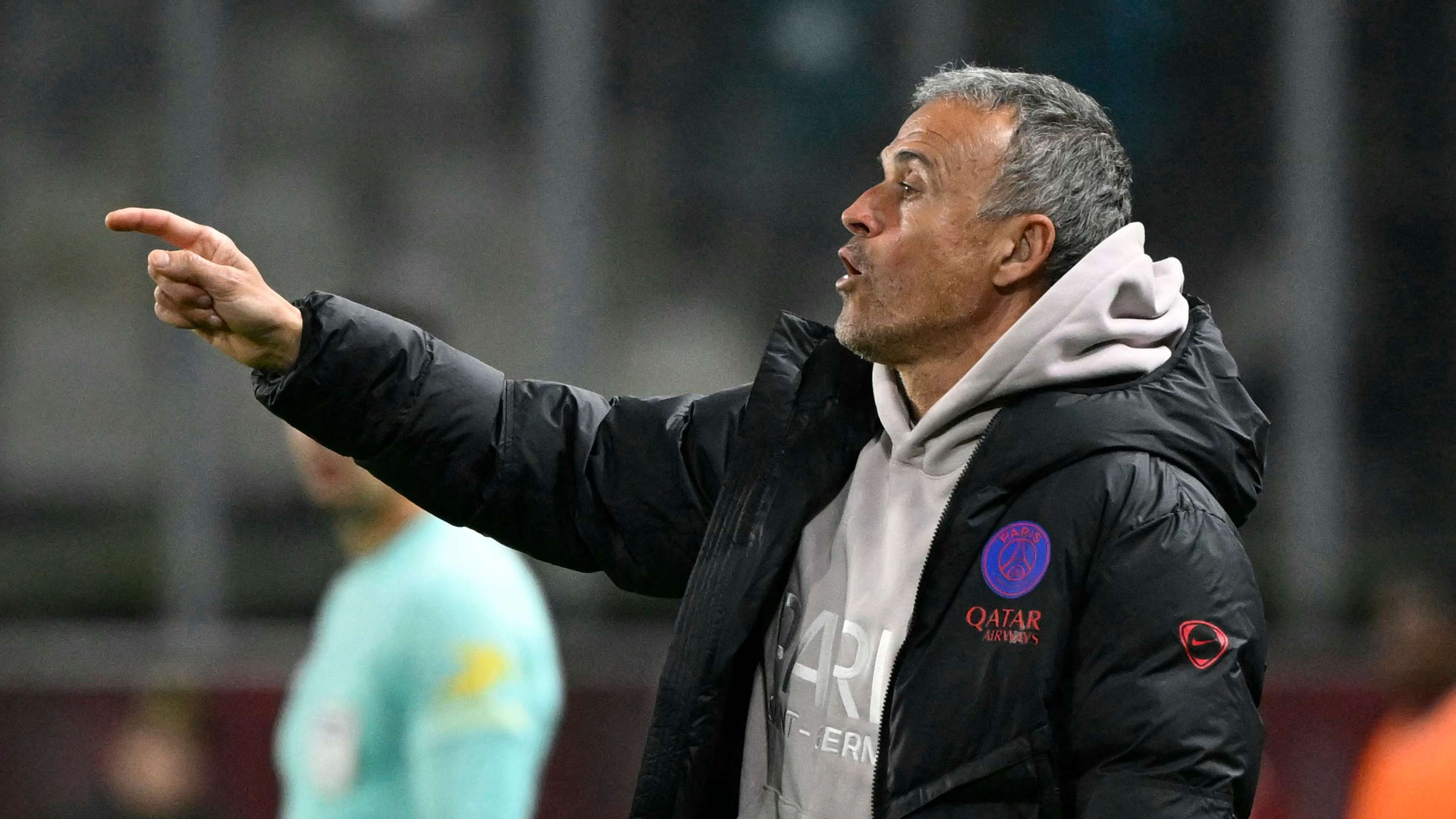

PSG Manager Luis Enrique Supports Innovative Rule Changes in Football
Paris Saint-Germain’s head coach, Luis Enrique, recently made headlines by expressing his support for radical rule changes in football. In a sport known for its traditions and resistance to change, Enrique’s openness to new ideas has sparked a debate among fans and experts alike.
Introduction of ‘Orange Card’ System
One of the most intriguing proposals put forward by Enrique is the introduction of an ‘orange card’ system. While the concept is still in its infancy, the idea behind it is to provide referees with a middle-ground disciplinary option between the yellow and red cards. This new card would allow officials to issue a temporary expulsion to a player, forcing them to leave the field for a short period before being allowed back on.
Enrique believes that the introduction of the ‘orange card’ could help reduce instances of violent conduct on the field while also providing a more balanced approach to officiating. By giving referees a new tool to manage player behavior, the game could see a shift towards fairer and more consistent decision-making.
Embracing Change for the Future of Football
But Enrique’s vision for the future of football goes beyond just the ‘orange card’ system. The Spanish manager has also expressed his willingness to explore other radical ideas, including reducing teams to 10 players. This controversial proposal, first suggested by former UEFA President Michel Platini, aims to create more space on the pitch and encourage a faster-paced, high-scoring style of play.
While some traditionalists may balk at the idea of changing the fundamental structure of the game, Enrique argues that football must evolve to remain relevant and attractive to a modern audience. With increasing competition from other sports and entertainment options, the sport cannot afford to stagnate and rely on outdated rules and practices.
Reaction from Fans and Experts
Enrique’s bold stance on rule changes has divided opinions among fans and experts. While some applaud his willingness to think outside the box and push for innovation, others worry that tampering with the core principles of the game could have unintended consequences.
However, one thing is clear: Enrique’s advocacy for change has sparked a much-needed conversation about the future of football. Whether or not his specific proposals are adopted remains to be seen, but the fact that a high-profile manager like Enrique is actively engaging with these ideas is a positive sign for the sport’s continued growth and evolution.
In conclusion, Luis Enrique’s support for innovative rule changes in football represents a significant shift in the traditional mindset of the sport. By embracing new ideas and challenging the status quo, Enrique is paving the way for a more dynamic and exciting future for football.
Enhancing Fairness and Player Safety
The proposed ‘orange card’ system could not only improve the fairness of officiating but also enhance player safety on the field. By providing referees with a tool to address aggressive behavior without resorting to an immediate red card, players may think twice before engaging in dangerous tackles or confrontations. This could lead to a decrease in serious injuries and promote a more sportsmanlike atmosphere during matches.
Additionally, reducing teams to 10 players could have a significant impact on the tactical aspect of the game. With less crowded defenses, attacking teams may find more space to exploit and create exciting goal-scoring opportunities. This change could also lead to a more dynamic style of play, with increased movement and strategic decisions shaping the outcome of matches.
Adapting to a Changing Landscape
In today’s fast-paced world, where attention spans are shorter and entertainment options are plentiful, football must adapt to remain relevant. By embracing innovation and exploring new possibilities, the sport can capture the imagination of fans worldwide and attract new audiences. Luis Enrique’s forward-thinking approach not only challenges the norms of football but also sets a precedent for other managers and governing bodies to consider creative solutions for the game’s future.
Furthermore, the evolution of football is essential for its longevity and growth. As global competition intensifies and technology continues to shape how sports are consumed, football must innovate to stay ahead of the curve. By introducing new rules and concepts, the sport can stay competitive and appeal to a diverse range of fans, ensuring its place as a premier form of entertainment for years to come.
Continued Debate and Exploration
While Luis Enrique’s proposals have sparked debate and discussion, the exploration of innovative rule changes in football is far from over. As stakeholders continue to weigh the pros and cons of each idea, it is clear that the sport is at a crossroads. The decisions made now could shape the future of football for generations to come, making it crucial for all involved to consider the potential impact of each rule change carefully.
Ultimately, the willingness to embrace change and challenge traditional norms is what will drive football forward. By supporting innovative ideas and pushing the boundaries of what is possible on the field, Luis Enrique and others like him are helping to shape a brighter and more exciting future for the beautiful game.
In conclusion, the support for innovative rule changes in football by figures like Luis Enrique is a testament to the sport’s adaptability and potential for growth. By considering new ideas and pushing for evolution, football can continue to captivate audiences worldwide and remain a beloved pastime for generations to come.
