
French Football Federation Chief Calls for Fairer FIFA World Cup Revenue Sharing
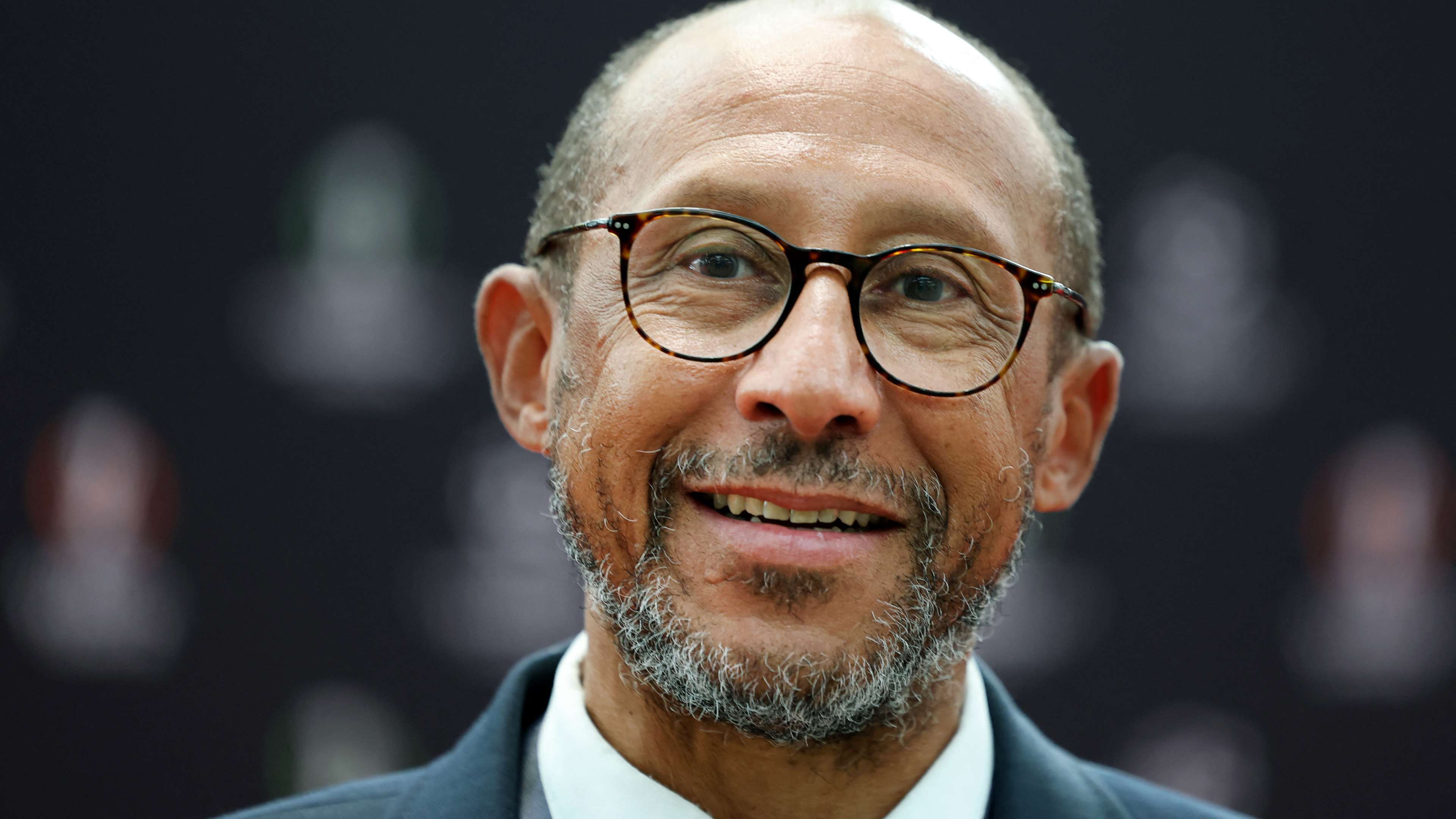
Philippe Diallo, president of the French Football Federation (FFF), has challenged FIFA over how revenue from the 2026 World Cup is distributed, arguing that the national teams competing in the tournament deserve a larger share. His comments have renewed debate about the balance between global football development, sporting achievement and the commercial value generated by the sport’s biggest event.
Speaking to media outlets, including French radio station RMC, after an FFF executive committee meeting on Thursday, Diallo said the current approach does not adequately reward participating teams. He called for a system based on fairness rather than simple equality, with payments reflecting the different contributions and circumstances of football associations.
Debate over FIFA’s financial distribution
FIFA is expected to provide each of its 211 member associations with $25 million over the four-year period from 2027 to 2030. That figure would represent a substantial increase from the previously planned $10 million. The funding is intended to support football development across the world, including investment in national teams, facilities and grassroots programmes.
Diallo did not dismiss the importance of that support. He said he backs solidarity between countries and wants football to grow globally. His concern, however, is that solidarity should not be used to avoid a more detailed discussion about how tournament income is shared.
“Solidarity is not favouritism. It is not an electoral tool,” Diallo said, warning against treating equal payments as the only measure of fairness. In his view, a distribution model should also recognise sporting merit, the scale of each country’s football system and the contribution associations make to creating value in the game.
Why participating teams want a larger share
Diallo said that allocating only 7% of total World Cup revenues to participating national teams was insufficient. He contrasted that figure with the Club World Cup, where he said clubs received 50% of the tournament’s total revenues. The difference, he argued, raises questions about how FIFA values the national teams that help make the World Cup a global spectacle.
He also pointed to the scale of the tournament’s commercial success, putting its revenue at around €15 billion. Against that backdrop, he questioned why some federations ended the competition in a financially negative position. Travel, accommodation, preparation and staffing can all create significant costs for national associations, particularly for teams that do not advance deep into the tournament.
The issue is not simply how much money FIFA generates, but how much of it reaches the teams and federations that take part. A country’s final financial outcome can depend on its results, the tournament’s payment structure and the expenses required to prepare for competition. Diallo’s remarks therefore highlight a broader concern: participation in the world’s most profitable football tournament does not necessarily guarantee that every federation benefits financially.
France’s contribution and the role of sporting merit
Diallo also made the case that successful teams contribute substantially to the World Cup’s profile and commercial appeal. He noted that France have reached four finals in the last eight editions, describing the national team as one of the major contributors to the tournament’s growth and financial success.
His argument is not that football development should be limited to established powers. Rather, he believes FIFA should find a way to support less-resourced associations while also accounting for the sporting and commercial contributions of teams that consistently qualify and perform well. That could mean combining a guaranteed development payment with additional funding tied to participation, results or measurable investment in football.
Such a model would be difficult to design. Giving more money to successful teams could reinforce existing advantages, while distributing the same amount to every association may not reflect differences in costs, infrastructure or competitive achievement. Diallo’s proposal points to the challenge facing FIFA: creating a system that supports worldwide growth without overlooking the teams whose performances help drive interest in the tournament.
“Fairness, not equality” in FIFA governance
Diallo said FIFA should reconsider a revenue system that distributes funds uniformly without taking account of factors such as World Cup victories, the number of registered players, the size of a country or its contribution to football’s wider economy. He argued that these criteria should inform a more balanced approach.
That debate is closely linked to governance. Decisions about funding affect national associations in different ways, and the rules used to allocate money can influence relationships between FIFA and its members. Diallo said reform should move beyond electoral calculations and focus on clear, credible criteria that explain why funding is awarded and how it supports the game.
For football supporters, the discussion may seem distant from match-day results, but revenue decisions shape the conditions in which teams prepare and players develop. Funding can support youth programmes, coaching education and facilities, while tournament payments can help associations cover the cost of competing at the highest level. The central question is how to balance those priorities transparently.
FIFA election adds urgency to the discussion
Diallo also addressed the upcoming FIFA presidential election and the possibility of a challenger to incumbent Gianni Infantino. He said that if no candidate emerges, an attempt to challenge the leadership could amount to a “shot in the water”. However, he stressed that the absence of a rival would not make concerns about governance or revenue distribution disappear.
UEFA is expected to hold another executive committee meeting in the coming weeks to consider whether a candidate could challenge Infantino. With the deadline for submitting candidacies set for 18 November, the timetable is tight. Any election campaign is likely to draw attention not only to leadership but also to how FIFA manages its finances and responds to calls for reform.
Diallo’s comments have placed World Cup revenue sharing firmly on the agenda ahead of the 2026 tournament. Whether FIFA changes its approach remains to be seen, but the debate is likely to continue as associations weigh the value of global solidarity against the principle of rewarding sporting contribution. For the governing body, the challenge will be to create a system that is financially sustainable, transparent and widely regarded as fair across the international game.