
Nelo Vingada Says Cristiano Ronaldo’s Portugal Retirement Was “the Best Decision”
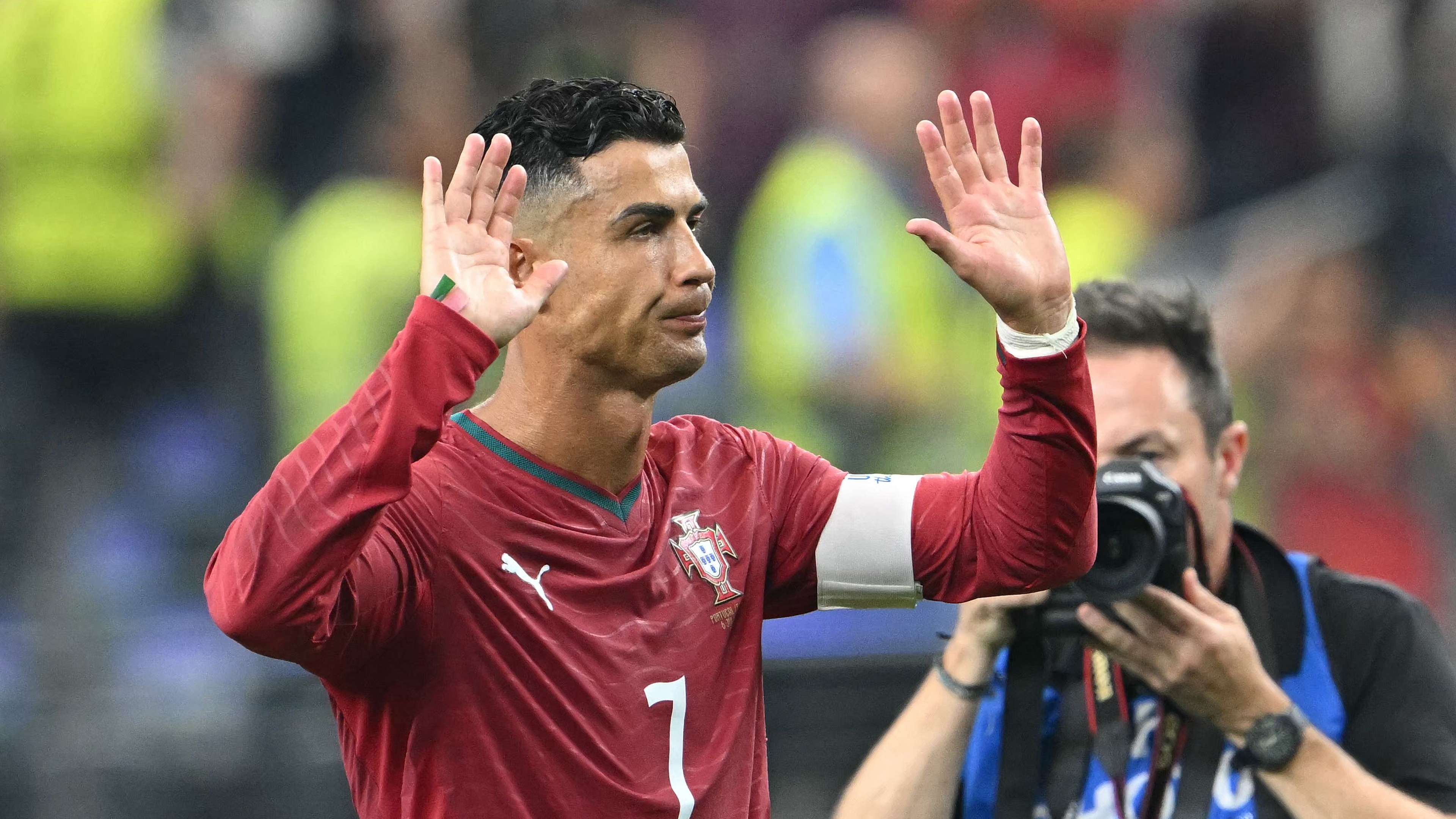
Former Portugal coach Nelo Vingada believes Cristiano Ronaldo’s decision to retire from international football was ultimately the right one, even if the circumstances surrounding the announcement left both the player and the national team with little to celebrate.
Ronaldo’s departure brings an end to a remarkable 23-year international career. The Al-Nassr captain had previously indicated that he wanted to continue representing Portugal, making the announcement an unexpected turn for supporters who had been waiting for him to return after a suspension. Instead of resuming his national-team journey, the 41-year-old chose to step away.
Speaking to Kooora, Vingada said the events that unfolded before the announcement had made a continued relationship difficult. He suggested that disagreements between Ronaldo and coach Jorge Jesus, along with public comments from both sides, had left little room for a straightforward reconciliation.
Why Vingada believes retirement was the right call
“Looking at the events that took place earlier, I see that the decision to retire internationally was the best, even though there is no winner in this situation,” Vingada said.
His assessment reflects the complicated nature of Ronaldo’s exit. International retirement is rarely just a sporting decision for a player of his stature. It also marks the end of a long-standing connection with a national team, its supporters and a generation of football memories. For Portugal, Ronaldo has been a defining figure; for Ronaldo, the national side has been the stage on which many of his most significant achievements took place.
Vingada said the change in Ronaldo’s position should be understood in the context of the dispute that preceded it. “Some events took place, and there was a disagreement between the coach and the player, and the statements that came from both of them left no room for reconciliation,” he explained.
The exact details of the disagreement have not been fully clarified in the account of events, but the situation appears to have escalated beyond a routine difference of opinion. Ronaldo’s departure from the national-team camp in Copenhagen without permission, reportedly in protest at comments made by the coach, added to the tension. That episode prompted speculation about whether he would return after serving his suspension. His retirement announcement ended those expectations.
Portugal faces the loss of an era-defining player
Vingada acknowledged that Ronaldo’s absence will be a major loss for Portugal, particularly because the circumstances could have been handled better by both sides. The former coach, who led Portugal in 1993, described the outcome as significant from a sporting perspective, while also noting that the full picture behind the decision remains unclear.
Ronaldo’s influence on Portugal cannot be measured only by goals or appearances. His longevity, competitive standards and status as captain have helped shape the national team’s identity across multiple generations. His retirement now creates an important transition: Portugal must move forward without one of its most recognisable leaders, while younger players take on greater responsibility.
That transition will not happen overnight. Even after a star player retires internationally, the team may continue to feel the effect through changes in leadership, attention from supporters and expectations around major tournaments. Portugal’s challenge will be to preserve the ambition associated with Ronaldo’s era while developing a new core capable of delivering results in its own way.
Vingada says the timing came too late
Although Vingada considers international retirement the best decision in the circumstances, he believes Ronaldo could have chosen a more fitting moment. In his view, the ideal time to announce the end of his Portugal career would have been after the 2026 World Cup.
That tournament could have offered Ronaldo a clear and widely understood final chapter with the national team. Instead, Vingada said, the matches that followed did not provide the kind of setting the forward deserved for a farewell. His prediction is that the decision arrived late, after the relationship between player and coach had already become difficult to repair.
For supporters, the timing may therefore feel abrupt. A planned goodbye after a major tournament could have allowed Portugal to recognise Ronaldo’s contribution on the pitch and give fans a final opportunity to see him in national colours. The reality, as described by Vingada, was less ceremonial: a dispute, uncertainty and then an announcement that closed the door on a return.
Ronaldo’s next target: 1,000 career goals
Retirement from international football does not mean Ronaldo is ready to stop playing altogether. Vingada expects him to continue with Al-Nassr, where the forward can pursue the personal milestone of reaching 1,000 career goals.
“He must continue playing with Al-Nassr in order to reach his goal of scoring 1,000 goals as quickly as possible,” Vingada said. He added that Ronaldo may be nearing the end of his playing career once he reaches that target.
The milestone is one of the most compelling storylines surrounding Ronaldo’s remaining years in football. His continued presence in Saudi Arabia gives him the opportunity to add to his tally while remaining a central figure at club level. How quickly he approaches 1,000 goals will depend on his fitness, playing time and ability to maintain his scoring rate, but the ambition fits the relentless drive that has defined his career.
Vingada also suggested that Ronaldo may want to share the pitch with his son at Al-Nassr. If that happens, it would add a personal dimension to the closing stages of his playing career and create a rare moment in professional football: a father and son appearing together for the same club.
No expected return to Portugal in a coaching or administrative role
Vingada does not expect Ronaldo to return to the Portugal setup later as a coach or administrator. He believes the forward’s plans after retirement may focus beyond football rather than leading the national team from the sidelines or working within its structure.
That prediction remains speculative, and Ronaldo has not been presented here as having announced a detailed post-playing career plan. Still, it underlines how Vingada views the current moment: not simply as a temporary separation from Portugal, but as the beginning of a new phase for a player whose ambitions may extend beyond the sport.
For now, the immediate focus is on what comes next for both sides. Portugal must prepare for life without its long-time captain, while Ronaldo turns his attention to Al-Nassr, the 1,000-goal target and the possibility of playing alongside his son. His international career may have ended without the farewell many fans hoped for, but his influence on Portuguese football will remain part of the national team’s story for years to come.